NJ urges SCOTUS to rule that Kalshi sports bets are gambling, not "swaps"
Source Entity
Jon Brodkin
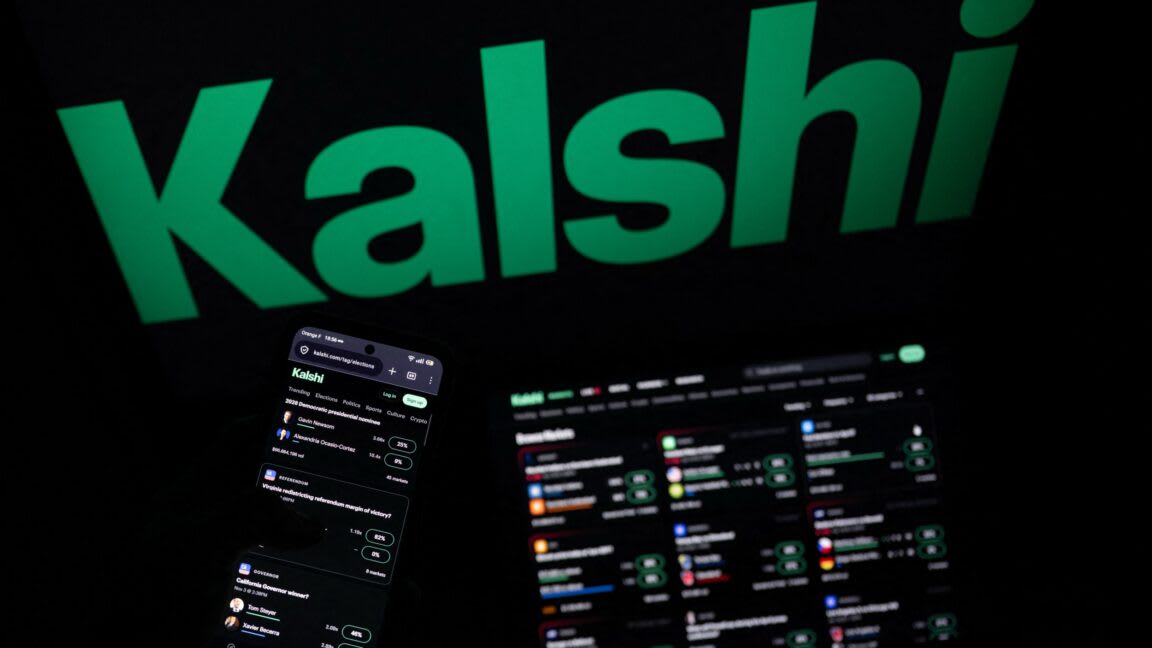
New Jersey and Michigan are challenging Kalshi's prediction markets, arguing they constitute unregulated sports betting. The Supreme Court may intervene to resolve a jurisdictional dispute between state gambling laws and federal oversight.
The Legal Battle Over Prediction Markets
The emergence of prediction market platforms like Kalshi has triggered a high-stakes legal confrontation between state regulators and federal oversight bodies. At the heart of this dispute is the classification of "event contracts," which platforms claim are financial instruments, while state authorities, specifically in New Jersey and Michigan, assert they are essentially sports betting platforms masquerading as investment opportunities.
The Jurisdictional Tug-of-War
The conflict reached a critical juncture when the US Court of Appeals for the 3rd Circuit ruled that sports-related event contracts qualify as "swaps." This classification grants the US Commodity Futures Trading Commission (CFTC) exclusive jurisdiction, effectively preempting state-level gambling regulations. New Jersey, led by Attorney General Jennifer Davenport, is now appealing to the Supreme Court, arguing that this interpretation strips states of their sovereign right to regulate gambling within their borders.
Michigan’s Regulatory Stand
Simultaneously, Michigan has taken direct action to shield its residents from what it deems unauthorized wagering. Attorney General Dana Nessel recently announced a preliminary injunction from the Ingham County Circuit Court, which explicitly blocks Kalshi from offering these contracts in the state. The threat of a $500,000 daily fine underscores the severity with which Michigan views the platform's attempts to bypass state-mandated gaming licensing requirements.
Implications for Federalism
This legal friction highlights a broader tension between rapid financial innovation and established state police powers. By labeling these products as "swaps," Kalshi has successfully navigated federal regulatory frameworks, yet this maneuver has placed them in what the company describes as an "impossible position." They are caught between federal directives to ignore state-level restraining orders and the looming threat of significant financial penalties from state attorneys general.
The Path to the Supreme Court
The request for Supreme Court intervention is driven by the emergence of a circuit split regarding the regulatory status of these markets. If the Supreme Court chooses to hear the case, its ruling will carry immense weight for the future of digital prediction markets. A decision in favor of the states would likely force these platforms to seek licensure in all 50 states, fundamentally altering their business model and compliance costs.
Future Trends in Regulated Betting
As the line between financial trading and sports wagering continues to blur, the outcome of this litigation will set a precedent for how emerging fintech companies interact with traditional state-level oversight. Regardless of the ruling, the trend toward increased scrutiny of prediction markets is likely to continue, as regulators seek to ensure that consumer protection laws are not circumvented through technical definitions of financial products.