6 arrested after Abhishek Banerjee’s Kolkata office vandalised, police say no political link found so far
Source Entity
Ravik Bhattacharya, Sweety Kumari
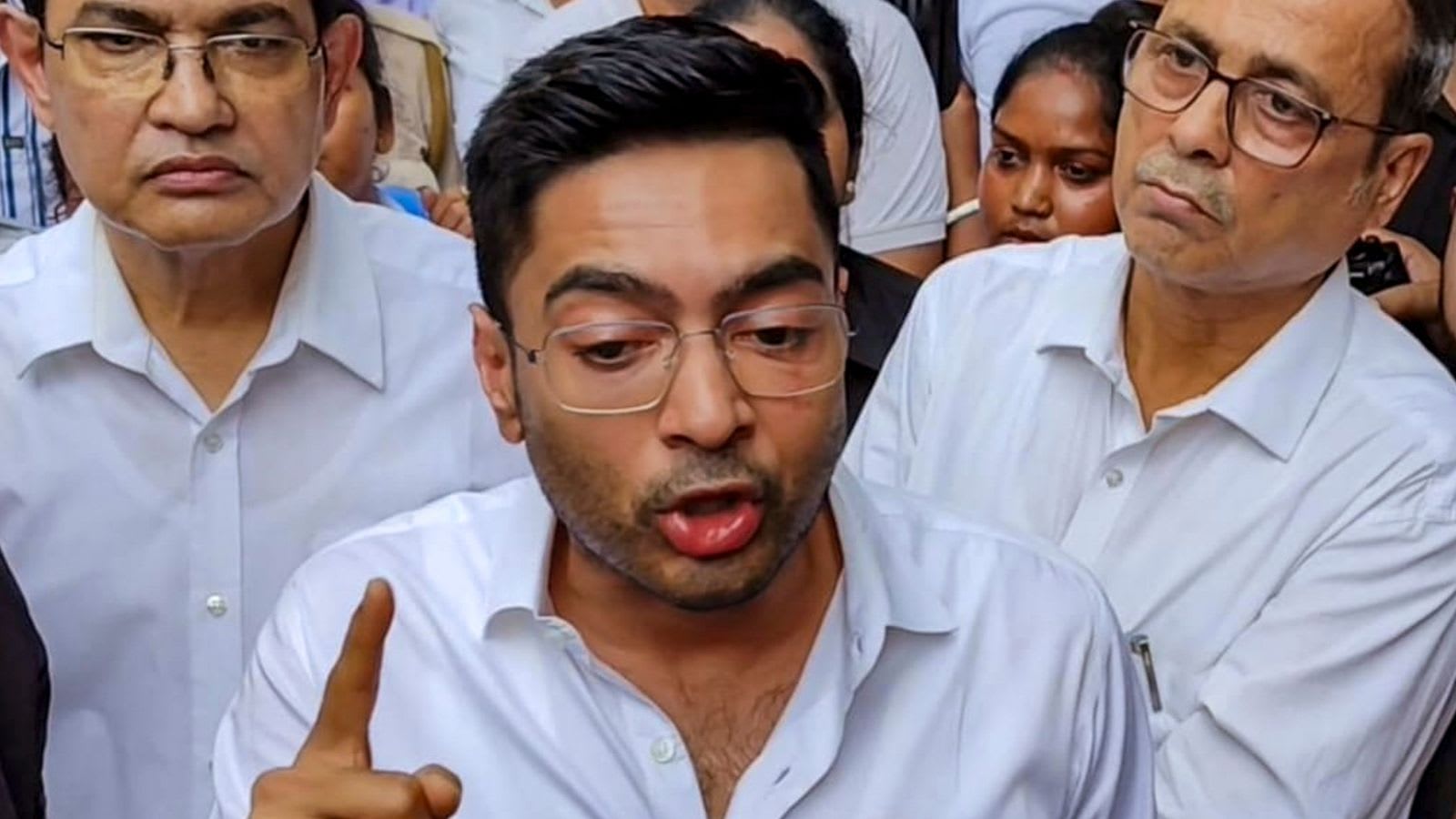
Kolkata Police have arrested six individuals from Howrah for vandalizing TMC MP Abhishek Banerjee’s office. Authorities currently report no evidence of political motivation behind the incident, despite claims from the TMC leadership.
Vandalism at TMC Office: A Deep Dive into the Kolkata Incident
The Incident and Immediate Response
In the early hours of Thursday, the Camac Street office of Trinamool Congress (TMC) leader Abhishek Banerjee was subjected to an act of vandalism. The breach of such a high-profile political office in Kolkata prompted an immediate response from the Kolkata Police. Within a short timeframe, authorities successfully identified and apprehended six suspects—Shankar Rao, Avinash Shaw, Sukhdev Gupta, Suraj Shaw, Amol Mondal, and Rohit Borik—all of whom hail from the neighboring district of Howrah. The recovery of looted items from the suspects' possession has provided police with immediate physical evidence to build their case.
The Conflict of Narratives
Following the incident, a significant disconnect emerged between the political leadership and law enforcement agencies. TMC officials were quick to characterize the attack as a politically motivated strike, alleging that the perpetrators were affiliated with the Bharatiya Janata Party (BJP). This accusation reflects the highly charged political atmosphere in West Bengal, where tensions between the ruling TMC and the opposition BJP are frequently manifested in public discourse and street-level conflicts.
Law Enforcement Findings and Investigation
In contrast to the political allegations, the Kolkata Police have maintained a stance of neutrality. Investigators conducted a forensic check of the digital footprints of the primary suspect, Avinash Shaw, and reported that no evidence of political affiliation has been uncovered to date. By focusing on the individuals' backgrounds rather than political ideology, the police are currently treating this as a criminal matter involving theft and property damage rather than a targeted political strike. The ongoing identification process aims to verify if the suspects have prior criminal records, which would further clarify the nature of the intrusion.
Broader Implications of Political Security
This event highlights the vulnerability of political offices in urban centers like Kolkata. Regardless of the lack of political motive, the ability of individuals to gain unauthorized access to the office of a prominent national leader poses serious questions regarding security protocols. Historically, high-profile offices have been guarded with varying levels of intensity, and this incident may catalyze a review of security measures for political figures in the region to prevent future disruptions.
Future Trends and Judicial Path
As the investigation proceeds, the legal process will be the ultimate arbiter of truth. If the police maintain that no political link exists, it will likely deflate the initial political rhetoric surrounding the attack. However, the incident serves as a reminder of the volatility of West Bengal's political climate. Moving forward, the public and the media will be watching to see if the judicial proceedings reveal any underlying motives that the preliminary investigation might have missed, or if this remains a case of localized criminality.