Reform UK promises £80bn cuts to public spending
Source Entity
BBC News
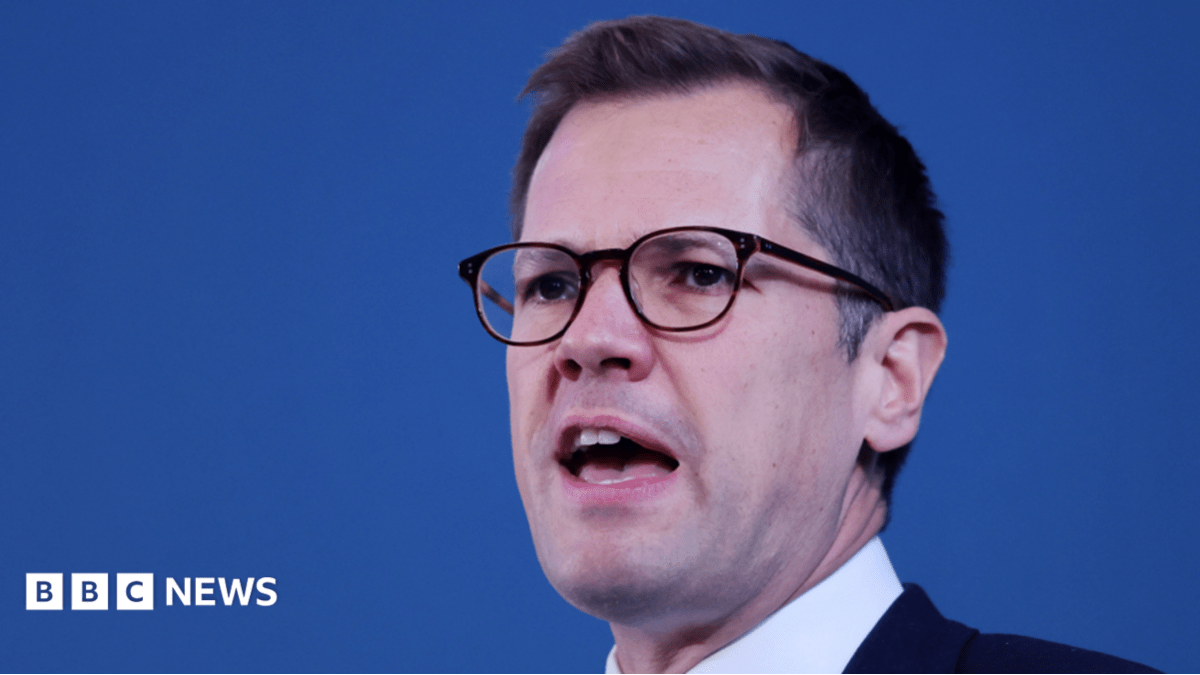
Reform UK's economy spokesman Robert Jenrick has pledged £80bn in public spending cuts to establish the party as a champion of fiscal responsibility. The strategy seeks to avoid the market instability caused by the 2022 Liz Truss budget.
Reform UK Targets £80bn in Spending Cuts
At the recent Reform UK conference, the party’s economy spokesman, Robert Jenrick, unveiled an ambitious fiscal roadmap centered on a commitment to £80bn in public spending cuts. This move is designed to position Reform UK as the primary advocate for fiscal responsibility in the current political climate, signaling a pivot toward more structured economic planning as the party seeks to broaden its electoral appeal.
Learning from Past Volatility
Central to Jenrick’s narrative is the explicit rejection of the economic approach taken by former Prime Minister Liz Truss in 2022. Jenrick, who served as a health minister during that period, pointedly criticized the previous administration’s unfunded tax-cutting agenda, which he likened to a chaotic raid on a "sweetie shop." By acknowledging that the markets reacted negatively to the Truss-era fiscal policy, Reform UK is attempting to insulate itself from accusations of recklessness, emphasizing that their proposed cuts are intended to restore market credibility rather than destabilize it.
Strategic Policy Prioritization
In a departure from previous messaging, the party is refining its economic priorities to appear more grounded. While Reform UK had previously signaled an interest in cutting inheritance tax, Jenrick has indicated that this is no longer a top priority. He argued that the tax affects a relatively small segment of the population, suggesting that the party is focusing its efforts on broader systemic spending reductions that it believes will resonate more effectively with a wider, more diverse demographic of voters.
The Challenge of Fiscal Discipline
Implementing £80bn in cuts represents a significant political and administrative challenge. For a party positioning itself as the new standard-bearer for fiscal prudence, the success of this strategy hinges on the ability to identify and execute deep, unpopular cuts without triggering the same public and market backlash that undermined the Truss premiership. Jenrick’s focus on affordability suggests a tactical shift toward presenting a "serious" economic platform that contrasts with the perceived volatility of recent political history.
Implications for Future Economic Discourse
By centering its platform on these massive cuts, Reform UK is effectively forcing a debate on the size and scope of the British state. The party’s strategy implies that long-term stability must be bought at the price of significant reduction in current government expenditure. As they continue to articulate this vision, the coming months will likely see increased scrutiny from both rival political parties and independent economic analysts regarding the feasibility of these cuts and their impact on public services.
Conclusion
Reform UK’s strategy represents a calculated effort to move beyond populist rhetoric toward a more disciplined, market-conscious economic platform. By distancing themselves from the failures of 2022 and prioritizing large-scale spending cuts, they are attempting to carve out a distinct identity in the UK political landscape. The success of this endeavor will depend on their ability to convince the electorate that these cuts are not only affordable but necessary for national financial stability.