Kangana Ranaut calls Sonu Sood, Taapsee Pannu ‘bhooke nange log’: ‘Failed people abusing me’
Source Entity
The Indian Express
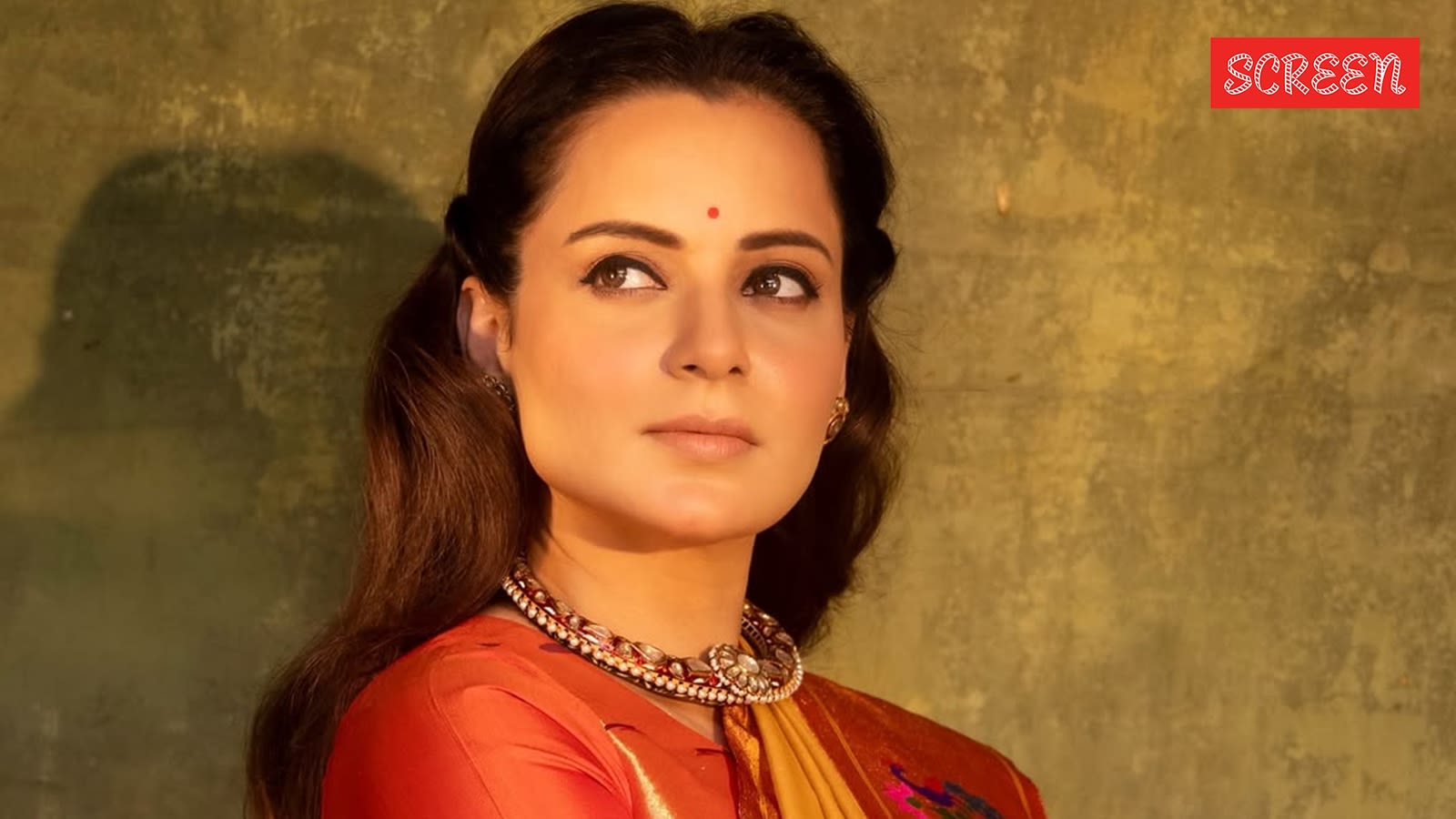
Actor Kangana Ranaut has publicly lashed out at several industry peers, labeling them as 'failures' seeking attention. Meanwhile, Kriti Sanon and her sister Nupur have defended Kriti against social media backlash regarding her recent Raksha Bandhan advertisement.
The Volatile Intersection of Celebrity and Public Scrutiny
The Indian entertainment industry is currently witnessing a heightened state of public discourse, characterized by personal animosity and debates over cultural expression. At the center of this storm is actor Kangana Ranaut, who has intensified her public stance against various industry figures, including Sonu Sood, Taapsee Pannu, Ashutosh Rana, Rakhi Sawant, and Baba Ramdev. Ranaut’s recent declaration of "enough is enough" signifies a hardening of her position, as she characterizes these individuals as "failures" seeking to leverage her prominence for media attention.
The Dynamics of Public Confrontation
Ranaut’s approach to criticism has consistently been confrontational. By publicly dismissing the feedback of her peers and asserting that she will only accept guidance from those she deems more successful or respected, she reinforces a hierarchical view of industry influence. This strategy serves to frame the narrative around her own terms, effectively silencing dissent by delegitimizing the critics themselves rather than addressing the substance of their remarks. This pattern of behavior is a hallmark of her public persona, often polarizing audiences and peers alike.
Cultural Expression and the Backlash Phenomenon
Simultaneously, a distinct but related conflict has emerged involving actor Kriti Sanon. Following a backlash against a jewellery advertisement featuring Sanon—which faced criticism for the choice of outfit and the depiction of a rakhi-tying ritual involving a pet dog—Sanon has taken a firm stand. By asserting that "culture and traditions are in her heart, not in her neckline," Sanon highlights a growing tension between traditional expectations and modern, individualistic expressions of festival observance.
Familial Solidarity and Defense
Nupur Sanon, Kriti’s sister, further amplified this defense, effectively challenging the "moral policing" of the internet. By posing the rhetorical question, "If I don't have a problem, why do you?" she draws a line between personal familial practices and public interference. This shift from passive reception of criticism to active rebuttal indicates a growing trend among younger celebrities to challenge the entitlement of social media users to dictate cultural norms.
Broader Implications for Industry Discourse
The convergence of these two narratives underscores the increasing volatility of celebrity interactions in the digital age. Ranaut’s aggressive stance against her peers and the Sanon sisters' defense of personal autonomy represent two distinct responses to public scrutiny. While Ranaut engages in a battle of perceived status and influence, the Sanons are pushing back against the societal policing of women's dress and cultural participation. Both scenarios illustrate how the lines between personal life, professional branding, and public morality continue to blur.
Looking Ahead: The Future of Celebrity Accountability
As these public spats unfold, they reveal a significant shift in how celebrities manage their reputations. The willingness of actors to engage in public conflict—whether through direct confrontation or moral defense—suggests that the era of the "passive" celebrity is fading. Future trends will likely see more stars adopting aggressive communication strategies to control their narratives, potentially deepening the divide between those who adhere to traditional public decorum and those who seek to redefine their personal and professional boundaries in the public eye.