Kangana Ranaut says ‘too much protein makes you dumb’. What science says
Source Entity
The Indian Express
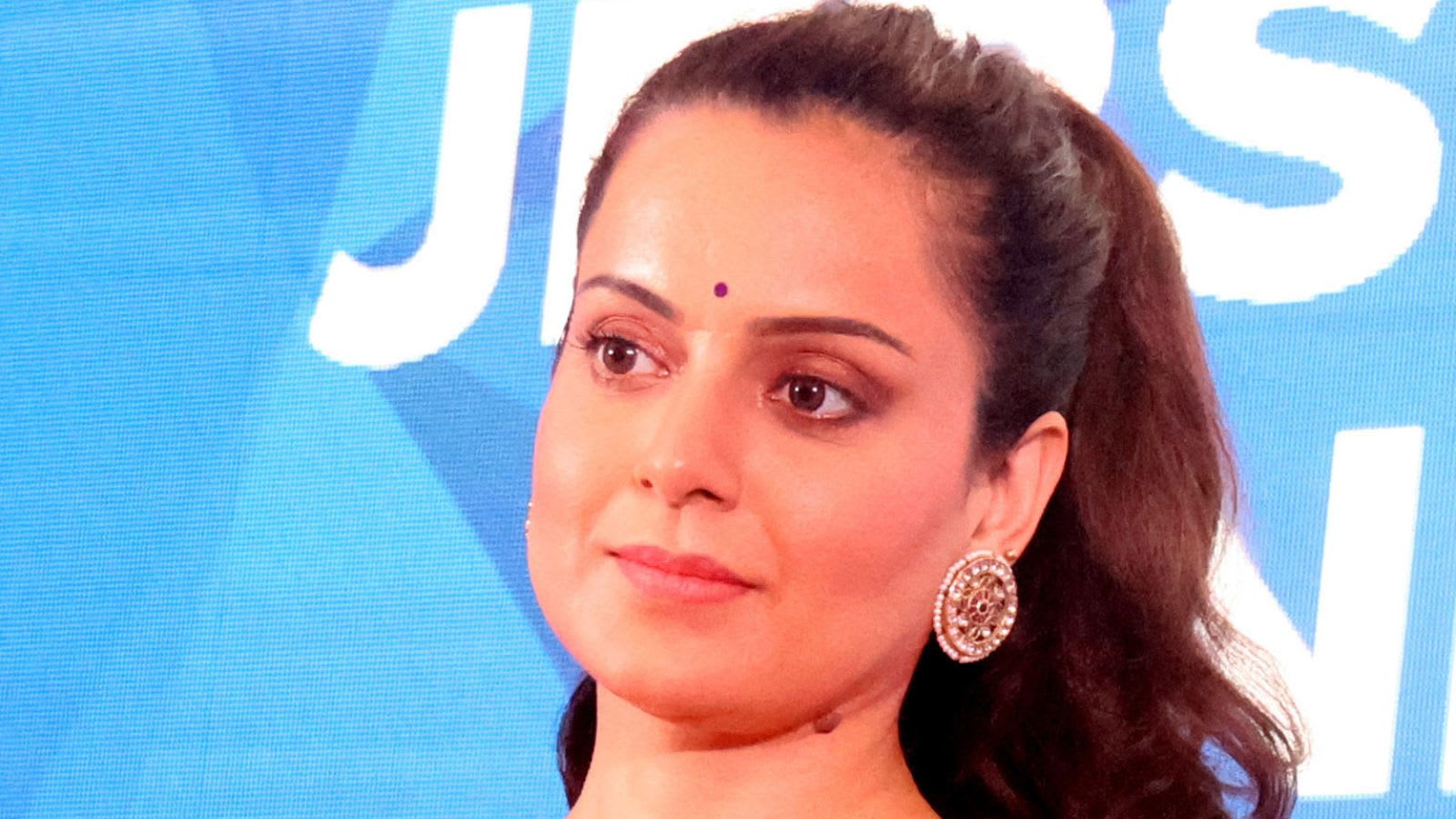
Actor and MP Kangana Ranaut recently linked diet to cancer risk, suggesting lower protein intake is beneficial. Experts emphasize that cancer is a multifactorial condition influenced by genetics, environment, and lifestyle rather than a single dietary factor.
The Intersection of Celebrity Influence and Nutritional Science
Recent comments made by actor and Member of Parliament Kangana Ranaut have sparked a public discourse regarding the relationship between diet and cancer prevalence. By sharing a chart suggesting that India possesses comparatively lower cancer rates among the population under 50, Ranaut advocated for a traditional Indian diet while cautioning against excessive protein consumption, famously remarking that 'too much protein makes you dumb.' This statement has ignited a broader conversation about how health information is disseminated in the digital age.
The Multifactorial Nature of Cancer Risk
From a clinical and epidemiological perspective, attributing cancer rates to a single dietary habit is scientifically reductive. Cancer is a complex disease driven by a confluence of variables, including genetic predispositions, age, environmental pollutants, and lifestyle choices such as physical activity and tobacco use. Furthermore, access to early screening and diagnostic infrastructure plays a critical role in the recorded incidence rates of cancer in any given nation. Consequently, while diet is a foundational pillar of health, it cannot be viewed as a standalone preventative or causative agent for oncology outcomes.
Examining the Protein Debate
Ranaut’s specific focus on protein intake highlights a growing public interest in macronutrient optimization. However, nutritional science generally views protein as an essential building block for muscle repair, hormonal health, and metabolic function. While excessive intake of processed red meats has been studied for potential links to colorectal cancer, equating general protein consumption to cognitive impairment—as implied by the claim that it 'makes you dumb'—lacks support in peer-reviewed medical literature. The focus should remain on the quality and source of protein rather than a blanket reduction.
The Role of Whole Foods and Cultural Context
Ranaut’s encouragement to consume 'whole foods' aligns with standard dietary guidelines supported by health organizations globally. Whole, unprocessed foods are rich in micronutrients, fiber, and antioxidants, which are collectively associated with reduced inflammation and better long-term health outcomes. The emphasis on returning to traditional, locally-sourced diets is a recurring theme in public health advocacy, as these diets often avoid the ultra-processed additives prevalent in modern, convenient food supplies.
Public Health Implications and Responsibility
When public figures weigh in on complex health matters, the potential for misinformation is significant. The challenge lies in distinguishing between personal anecdotes and scientifically validated data. As the public navigates a deluge of health advice on social media, the importance of consulting qualified health practitioners cannot be overstated. Relying on isolated data points or celebrity opinion, rather than comprehensive clinical guidance, carries the risk of skewing public perception of preventative health measures.
Conclusion: A Balanced Approach to Wellness
Ultimately, the discourse initiated by these remarks serves as a reminder of the need for health literacy. While the debate highlights the benefits of a whole-food diet, it also underscores the danger of oversimplifying medical science. A balanced approach—incorporating diverse, nutrient-dense foods while maintaining regular medical screenings—remains the most effective strategy for managing cancer risk and overall well-being. Future public health communication must strive to bridge the gap between cultural dietary pride and rigorous, evidence-based nutritional science.