Kerala’s Kasaragod reports fresh amoebic brain infection case; 18-year-old in critical condition
Source Entity
India Latest News: Top National Headlines Today & Breaking News | The Hindu
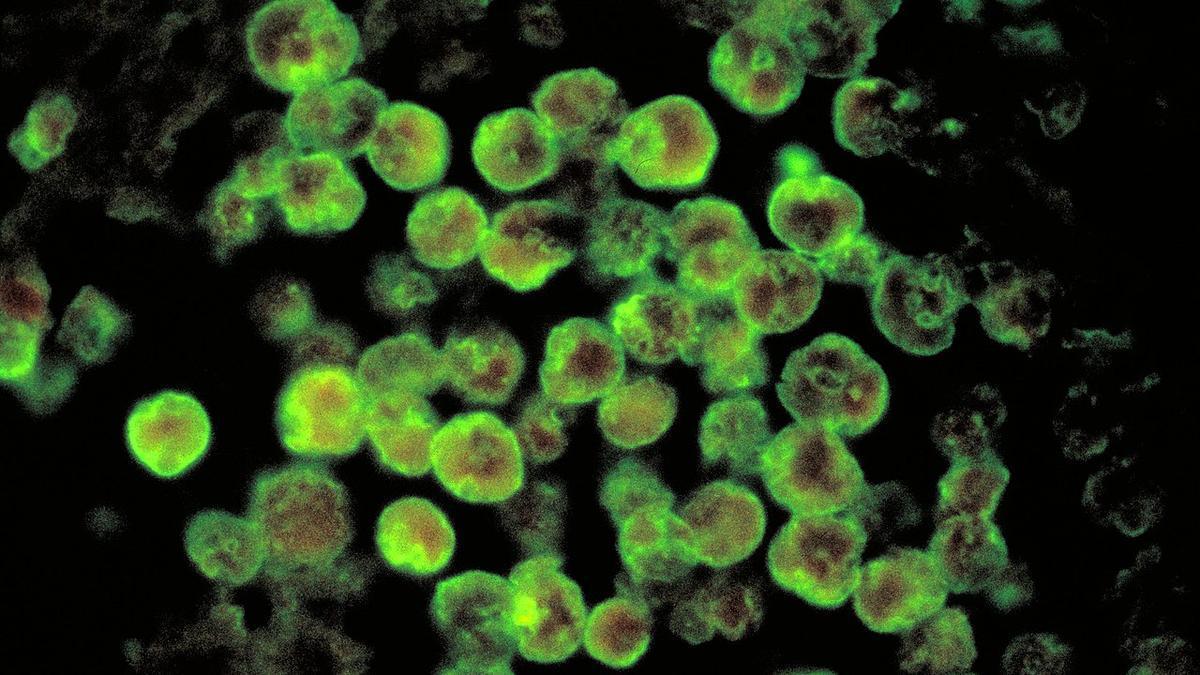
An 18-year-old in Kerala's Kasaragod district is in critical condition after contracting rare amoebic meningoencephalitis. Authorities have issued public warnings against swimming in local ponds following the infection.
Health Alert: Rare Amoebic Infection Reported in Kasaragod
Health authorities in Kerala’s Kasaragod district have confirmed a grave medical emergency involving an 18-year-old male who has been diagnosed with primary amoebic meningoencephalitis. This rare and life-threatening condition, caused by the Naegleria fowleri amoeba, has left the patient in critical condition, currently receiving intensive care in a Mangaluru-based hospital. The confirmation of the diagnosis on July 27, 2026, has triggered immediate concern among medical professionals and local residents alike.
The Source of Transmission
Preliminary investigations into the patient’s recent history have identified a potential point of exposure. The teenager reportedly bathed in a pond situated along the Kanhangad-Panathur State highway approximately one week before the onset of severe health complications. This aligns with the known environmental behavior of the causative organism, which thrives in warm, stagnant freshwater bodies. The rapid progression of the teenager's symptoms underscores the aggressive nature of the infection once the pathogen enters the nasal passages.
Clinical Implications and Challenges
Primary amoebic meningoencephalitis is notoriously difficult to treat, characterized by the destruction of brain tissue. The rarity of the condition often leads to challenges in early clinical recognition, as initial symptoms can mimic common bacterial or viral meningitis. Given the critical status of the patient in Mangaluru, the medical team is likely employing aggressive, specialized protocols. However, the mortality rate associated with this infection globally remains extremely high, making timely diagnosis and intensive supportive care the only current avenues for patient survival.
Public Health Response and Mitigation
In response to this incident, the Kerala Health Department, in coordination with local law enforcement, has acted swiftly to issue public warnings. The directive explicitly prohibits residents from bathing or entering the pond located along the Kanhangad-Panathur State highway. This proactive stance is vital to prevent further infections, as the environmental presence of the amoeba in stagnant water sources necessitates a strict "avoidance" strategy, as water treatment methods for natural ponds are often impractical or ineffective.
Broader Environmental Context
This incident highlights the intersection of public health and environmental safety during the warmer months. As temperatures rise, stagnant freshwater bodies become ideal breeding grounds for thermophilic amoebae. Historical patterns suggest that sporadic cases are often linked to recreational water activities in untreated ponds or lakes. Public awareness regarding the dangers of diving or swimming in such environments is essential to mitigating future risks, especially as climate conditions may influence the prevalence of these pathogens in regional water bodies.
Future Outlook and Surveillance
Moving forward, local authorities are expected to increase surveillance of water sources in the Kasaragod region. The primary focus will remain on community education, ensuring that the public understands the link between freshwater exposure and this specific neurological infection. As medical science continues to research more effective therapeutic interventions, the current strategy remains rooted in strict prevention and the immediate cessation of recreational activities in high-risk, unmonitored water bodies.
Verification Required?