CJP Spokesperson Saurav Das Counters Kangana Ranaut With 'Student Of Life' Remark
Source Entity
Latest News: Todays Latest News Headlines from India & World | Hindustan Times | Hindustan Times
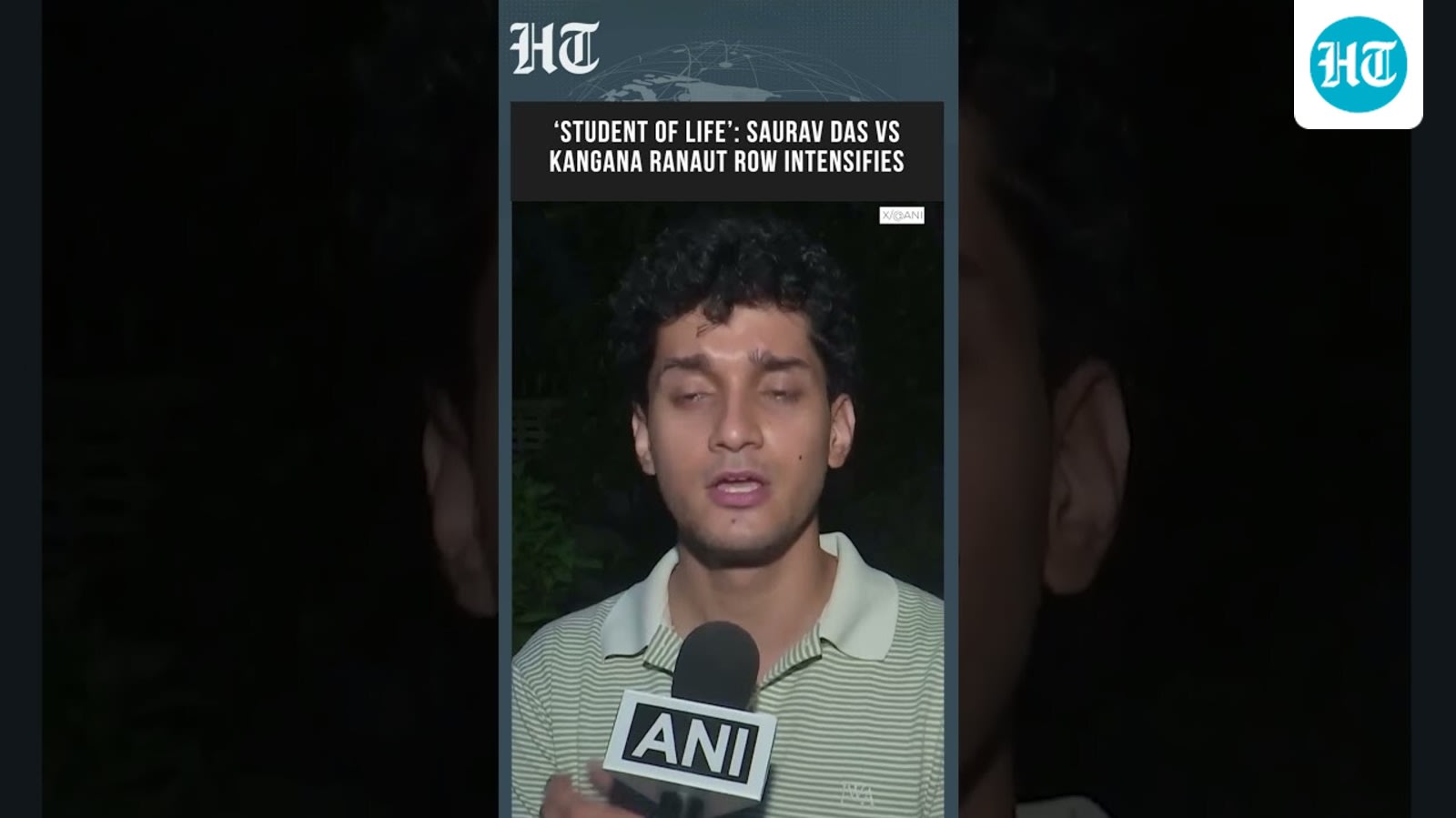
BJP MP Kangana Ranaut has demanded an apology from Rahul Gandhi over alleged false statements, heightening parliamentary tensions. Simultaneously, a public exchange has emerged between Ranaut and CJP spokesperson Saurav Das regarding his professional identity.
Political Tensions Escalate in Parliament
The current political climate in India has witnessed a sharp intensification of hostilities between the Bharatiya Janata Party (BJP) and the Indian National Congress. At the center of this latest confrontation is BJP Member of Parliament Kangana Ranaut, who has formally demanded an apology from Congress leader Rahul Gandhi. Ranaut’s demand stems from accusations that Gandhi has been propagating false allegations, a charge that has served to deepen the existing ideological rift between the two parties.
The Dynamics of Parliamentary Confrontation
The demand for an apology has not occurred in a vacuum but rather serves as an escalation of the ongoing legislative friction between the ruling BJP and the opposition Congress. Parliamentary sessions have increasingly become battlegrounds for these high-stakes exchanges, where individual MPs leverage their public platforms to challenge the narratives of their political counterparts. This specific incident highlights how personal grievances and political accusations are now frequently woven into the broader parliamentary discourse.
Broadening the Scope of the Debate
Beyond the direct clash with Rahul Gandhi, Kangana Ranaut has found herself engaged in a broader public exchange. This includes a notable interaction with Saurav Das, a spokesperson for the Cockroach Janta Party. The exchange, which saw Das labeling himself a "student of life" in response to critiques regarding his professional background as a journalist, underscores the increasingly fragmented and performative nature of modern political communication in India.
The Role of Public Personas in Politics
This series of events reflects a growing trend where political figures and their associated spokespersons utilize media interactions to reframe their public identity. By countering Ranaut’s assertions with philosophical retorts, Das has effectively shifted the narrative focus from policy-based disagreements to personal branding. This tactic is becoming a hallmark of contemporary political discourse, where the medium of communication is often as significant as the message itself.
Implications for Future Legislative Conduct
As these exchanges continue to play out in both the halls of Parliament and the public sphere, the potential for policy-driven consensus appears to be diminishing. The constant cycle of accusations, demands for apologies, and sharp retorts creates an environment where legislative progress is secondary to partisan posturing. Future trends suggest that this confrontational style will likely persist, posing significant challenges to the decorum and functionality of India’s democratic institutions.
Conclusion
The ongoing rows involving Kangana Ranaut, Rahul Gandhi, and Saurav Das serve as a microcosm of the current state of Indian politics. Characterized by intense polarization and the frequent use of social media and public statements to settle scores, these interactions highlight the volatility of the political landscape. Moving forward, the efficacy of the legislative process will depend heavily on whether these actors can move beyond these performative confrontations to address the substantive concerns of the electorate.
Verification Required?