Devotees held up due to Karnataka CM’s temple visit protest by throwing slipper
Source Entity
TNN
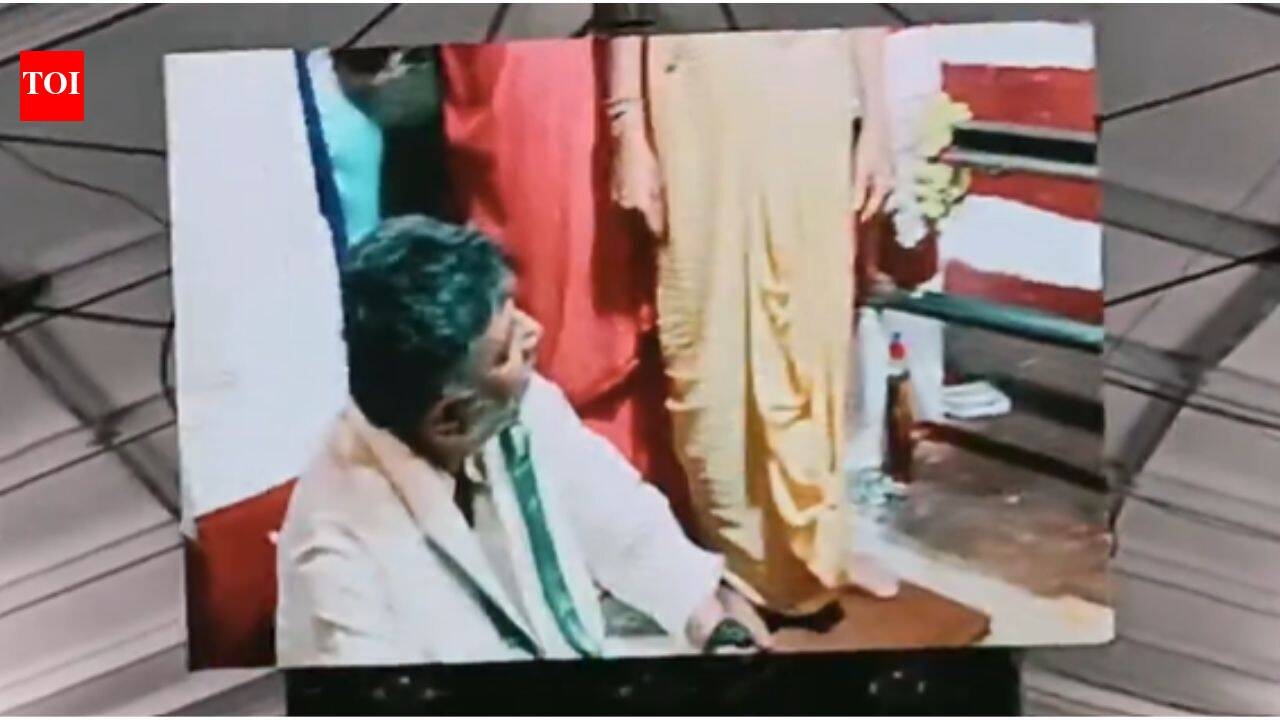
Karnataka Deputy CM DK Shivakumar faced public backlash after his visit to the Hasanamba temple caused significant delays for thousands of waiting devotees. The incident, marked by protests and a slipper-throwing incident, highlights growing friction between public sentiment and VIP protocols.
Tensions Erupt at Hasanamba Temple Over VIP Protocol
On Sunday, the serene atmosphere of the Hasanamba temple in Karnataka was disrupted by a significant public protest following a visit by Deputy Chief Minister DK Shivakumar. While the official visit was intended as a religious observance, the decision to restrict access to the sanctum sanctorum while the minister performed prayers created an immediate bottleneck for thousands of devotees who had been waiting in queues for several hours.
The Impact of VIP Culture on Public Access
The frustration of the crowd, particularly among women who had endured hours of waiting, reached a boiling point when visuals of the Chief Minister’s private prayer session were broadcast live. This transparency, intended to show the minister's visit, instead served to intensify the anger of the public, who felt their time and religious devotion were being sidelined for political optics. The subsequent act of a protestor throwing a slipper underscores a deep-seated resentment toward the perceived 'VIP culture' that often prioritizes political figures over the general citizenry in public and religious spaces.
Historical Context and Public Sentiment
Historically, high-profile temple visits by politicians in India have been flashpoints for criticism regarding the encroachment of secular authority into religious traditions. When official visits disrupt the logistical flow of major pilgrimage sites, it often triggers a backlash that transcends local politics. The Hasanamba temple, known for its limited opening periods, attracts massive crowds, making any disruption to the queue management system highly sensitive and prone to causing public unrest.
The Role of Media and Public Accountability
The live broadcast of the event played a pivotal role in fueling the protest. By witnessing the delay firsthand while the minister remained inside, the devotees were able to mobilize their collective frustration. This incident highlights the increasing role of real-time visual media in holding public officials accountable for their actions, even during what are ostensibly private religious visits. The open criticism voiced by women in the crowd demonstrates a shift in public expectations regarding political conduct.
Future Implications for Political Protocol
Moving forward, this incident serves as a cautionary tale for government officials regarding the management of public expectations during religious visits. To avoid similar confrontations, administration and security teams must re-evaluate how VIP movements are integrated into high-traffic public sites. If political figures continue to utilize public infrastructure for personal religious practices, they risk further alienation of the electorate, potentially turning moments of piety into political liabilities.
Concluding Summary
In conclusion, the protest at the Hasanamba temple is a clear reflection of the growing tension between political entitlement and public convenience. While the Deputy Chief Minister's visit was a personal religious act, the resulting operational delays and the public's hostile reaction demonstrate that the electorate is increasingly intolerant of disruptions caused by VIP protocols. This event underscores the necessity for more sensitive logistical planning for high-profile visits to avoid alienating the very public these officials serve.