SIR final list for Karnataka is out: Check your name
Source Entity
PEARL D'SOUZA
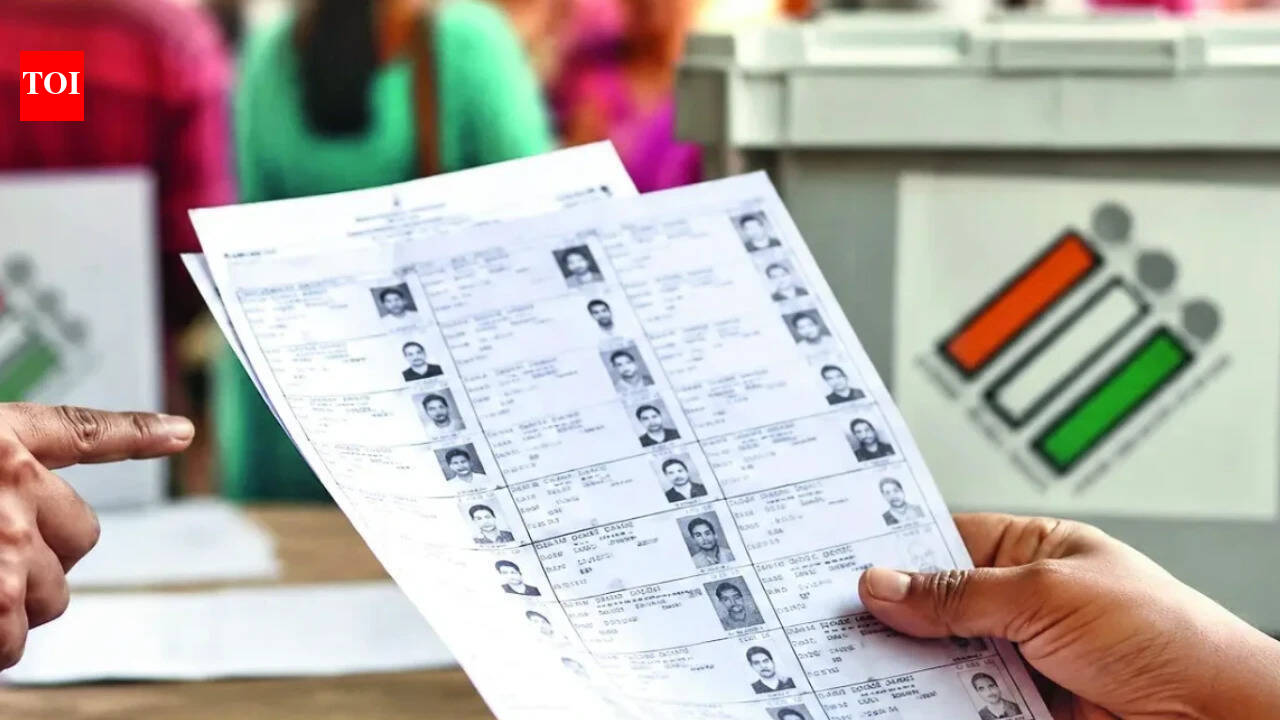
Karnataka has finalized its electoral rolls following a Special Intensive Revision (SIR), resulting in a net reduction of nearly 1 crore voters. The process aimed to clean the rolls by removing absent, shifted, dead, or duplicate entries.
Karnataka Electoral Integrity: Analyzing the Special Intensive Revision
The Scope of the Electoral Cleanup
The state of Karnataka has recently concluded a massive administrative undertaking known as the Special Intensive Revision (SIR) of its electoral rolls. This process, which spanned 129 days, resulted in a significant recalibration of the state's voter database. Starting from a baseline of approximately 5.5 crore electors, the state saw a reduction of nearly 99.76 lakh names, leaving a finalized electorate of 4.54 crore. This adjustment reflects an intensive effort by the Election Commission to ensure the accuracy and integrity of the democratic process.
Understanding the ASDD Classification
A primary driver for the massive reduction in voter numbers was the identification of voters classified as ASDD—Absent, Shifted, Dead, or Duplicate. In Shivamogga district alone, 1,89,166 names were removed, contributing to the state-wide trend. The classification of 'permanently shifted' accounted for the largest portion of these removals, totaling 65.45 lakh across Karnataka. By purging these entries, election officials aim to prevent electoral fraud, such as ghost voting or duplicate registration, which are common challenges in large-scale democratic exercises.
The Role of Data Verification and Logical Discrepancies
The SIR process was not merely a passive review but an active engagement with data. In Shivamogga, for instance, Deputy Commissioner Prabhulinga Kavalikatti highlighted that the Election Commission issued notices to 48,660 voters due to logical discrepancies in their records. While many voters remain, this meticulous scrutiny ensures that the electoral roll reflects the ground reality of the population. This level of granular verification is essential for maintaining trust in the electoral system.
Demographic Shifts and New Inclusions
Despite the massive deletion of names, the electoral roll remains dynamic. The state recorded 6.83 lakh fresh registrations, indicating that the system remains accessible to new voters. Interestingly, the data highlights a significant presence of the 20-29 age demographic, with 86.56 lakh individuals in this bracket. This demographic snapshot provides valuable insights for political strategists and policymakers regarding the youth representation in the state's electorate.
Broader Implications for Election Integrity
The conclusion of the SIR process serves as a reminder of the logistical complexity inherent in maintaining a voter list for a population as large as Karnataka's. The transition from a draft roll published on August 24 to the final list underscores the iterative nature of this verification. As the state moves forward, the success of this exercise will likely be measured by the reduction in administrative errors on election day and the improved precision of voter turnouts.
Conclusion
The Special Intensive Revision in Karnataka represents a significant administrative milestone. By removing nearly one crore ineligible or inactive voters, the state has taken a decisive step toward cleaning its electoral rolls. While the numbers are large, they reflect a necessary update to account for population mobility and natural attrition, ultimately strengthening the democratic foundation of the state.
Multiple Citing Sources