Keralam Home Minister defends RTI exemption for Vigilance’s top-secret sections
Source Entity
India Latest News: Top National Headlines Today & Breaking News | The Hindu
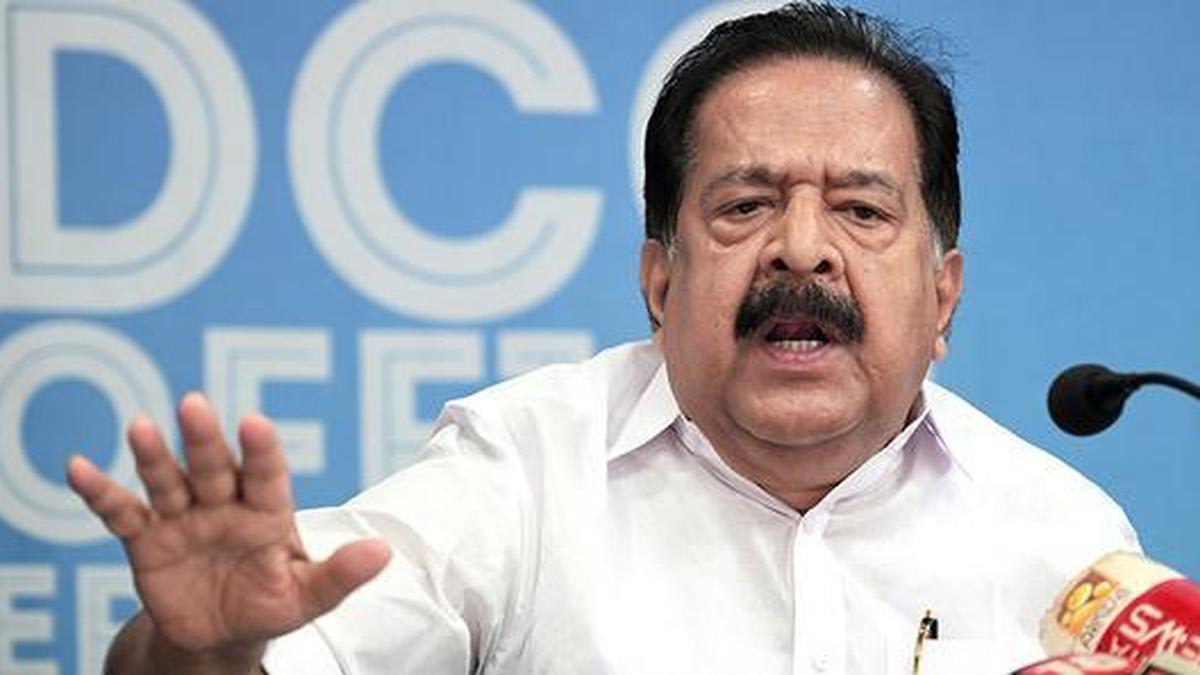
Kerala Home Minister Ramesh Chennithala has defended exempting top-secret Vigilance and Anti-Corruption Bureau sections from the RTI Act. The move, based on previous LDF government recommendations, aims to protect sensitive ongoing investigations from public disclosure.
The Intersection of Transparency and Investigative Integrity
In a recent session of the Kerala Legislative Assembly, Home Minister Ramesh Chennithala addressed concerns regarding the transparency of the state's anti-corruption apparatus. He defended the decision to exempt the top-secret 'T1' and 'T2' sections of the Vigilance and Anti-Corruption Bureau (VACB) from the purview of the Right to Information (RTI) Act. This move has sparked a debate on the delicate balance between the public’s right to know and the necessity of maintaining operational secrecy in sensitive law enforcement matters.
The Rationale Behind the Exemption
The central argument presented by the Home Minister is one of investigative integrity. According to Chennithala, the exemption is a strategic necessity to prevent the premature disclosure of confidential records. The concern is that if such information were accessible under the RTI Act, it could compromise ongoing probes, potentially allowing those accused of corruption to access sensitive details that could undermine the state's legal position or facilitate the destruction of evidence.
Historical Context and Bipartisan Continuity
An important element of this controversy is the historical lineage of the decision. Chennithala clarified that the exemption for these specific sections was not a recent invention of his administration, but rather a policy implemented based on a formal recommendation provided by the Vigilance Director during the previous Left Democratic Front (LDF) government’s tenure. By citing this precedent, the government is framing the policy as a functional administrative necessity that transcends partisan lines rather than a deliberate attempt to stifle public scrutiny.
Legislative Scrutiny
The issue was brought to the floor of the Assembly by CPI legislator K.K. Valsaraj, highlighting the role of the legislature in acting as a watchdog for executive actions. The exchange reflects the ongoing tension within Indian governance regarding how much transparency is compatible with effective anti-corruption enforcement. Legislators often grapple with the potential for abuse when 'confidential' labels are applied too broadly, yet they must also acknowledge the technical requirements of high-stakes investigations.
Broader Implications for Anti-Corruption Efforts
The VACB is the primary agency tasked with curbing corruption in public life in Kerala. By shielding the T1 and T2 sections, the government argues it is protecting the 'backbone' of these investigations. However, critics often worry that such exemptions can create 'black boxes' within government departments. The future of this policy will likely depend on whether the government can demonstrate that these sections remain accountable to other oversight bodies, such as the judiciary or the Lok Ayukta, even if they are shielded from public RTI requests.
Conclusion
Ultimately, the defense of the RTI exemption for the VACB's secret sections underscores the complexities of modern governance. While transparency is a fundamental pillar of democracy, the state maintains that the efficacy of anti-corruption probes requires a degree of confidentiality to ensure that investigations are not derailed. As the debate continues, the focus will likely remain on whether these specific exemptions are applied narrowly to protect investigations or if they inadvertently shield the agency from necessary public accountability.
Verification Required?