‘Does not represent our position’: Kerala Congress tenders apology over post on CJI Surya Kant
Source Entity
Shaju Philip
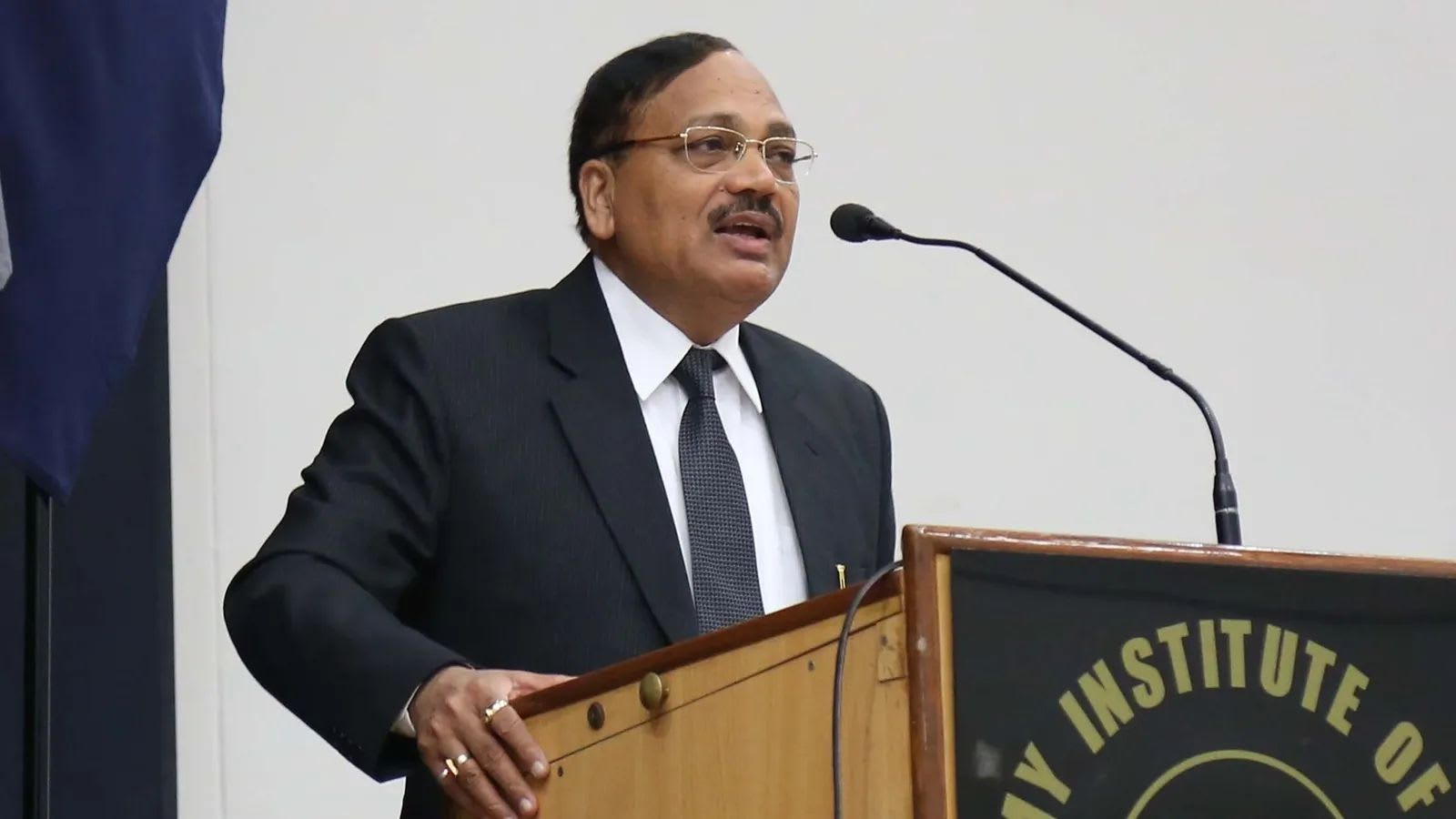
The Kerala Pradesh Congress Committee has issued an apology to CJI Surya Kant following an unauthorized social media post calling for his resignation. The party has removed the responsible individual and is addressing the resulting legal notice.
KPCC Issues Formal Apology Following Judicial Controversy
The Kerala Pradesh Congress Committee (KPCC) has officially tendered an unconditional apology to Chief Justice of India (CJI) Surya Kant following a highly contentious social media post published on the party’s official state unit X account. The incident, which occurred on October 12, involved a direct call for the Chief Justice’s resignation, accompanied by an inflammatory suggestion that the political organization could identify a replacement for the head of the judiciary.
The Sequence of Events and Legal Repercussions
Following the publication of the post, the judicial community reacted with significant concern regarding the decorum expected of political entities in relation to the judiciary. The fallout prompted Meenesh Dubey, the joint secretary of the Supreme Court Bar Association, to issue a formal legal notice to KPCC president Sunny Joseph. This move underscores the sensitivity of public discourse concerning the heads of constitutional bodies and the legal risks political parties face when their digital communication channels bypass internal oversight.
Internal Accountability and Administrative Response
In his formal response to the legal notice, Sunny Joseph, who concurrently serves as the State Electricity Minister, clarified that the controversial post was published without authorization from the party leadership. To mitigate the damage, the KPCC has taken internal disciplinary action, including the removal of the individual responsible for the lapse in judgment. This highlights the ongoing challenges political organizations face in managing decentralized social media operations.
Broader Implications for Political Communication
This event serves as a stark reminder of the risks inherent in modern political digital strategy. As political parties increasingly rely on social media for rapid engagement, the lack of robust editorial vetting processes can lead to significant reputational and legal crises. The incident suggests a need for stricter digital governance within political parties to ensure that official communications do not cross the line into undermining constitutional institutions.
Historical Context and Future Trends
Historically, the relationship between political parties and the judiciary in India has been marked by a fine balance of criticism and respect. While political dissent is a fundamental democratic right, calls for the resignation of constitutional heads via social media represent an escalation that often invites legal scrutiny. Moving forward, it is likely that political organizations will implement more stringent verification protocols for their official handles to prevent similar unauthorized outbursts that could jeopardize their legal standing and public image.
Conclusion
Ultimately, the KPCC’s decision to issue an unconditional apology and remove the staffer responsible reflects an attempt to de-escalate a volatile situation. By distancing the party from the unauthorized post, the leadership seeks to preserve its institutional integrity. The episode underscores the vital importance of maintaining a clear separation between political rhetoric and the sanctity of the judiciary.