John Brittas alleges police assault during protest: RS Secretariat seeks response from Home Secy
Source Entity
The Indian Express
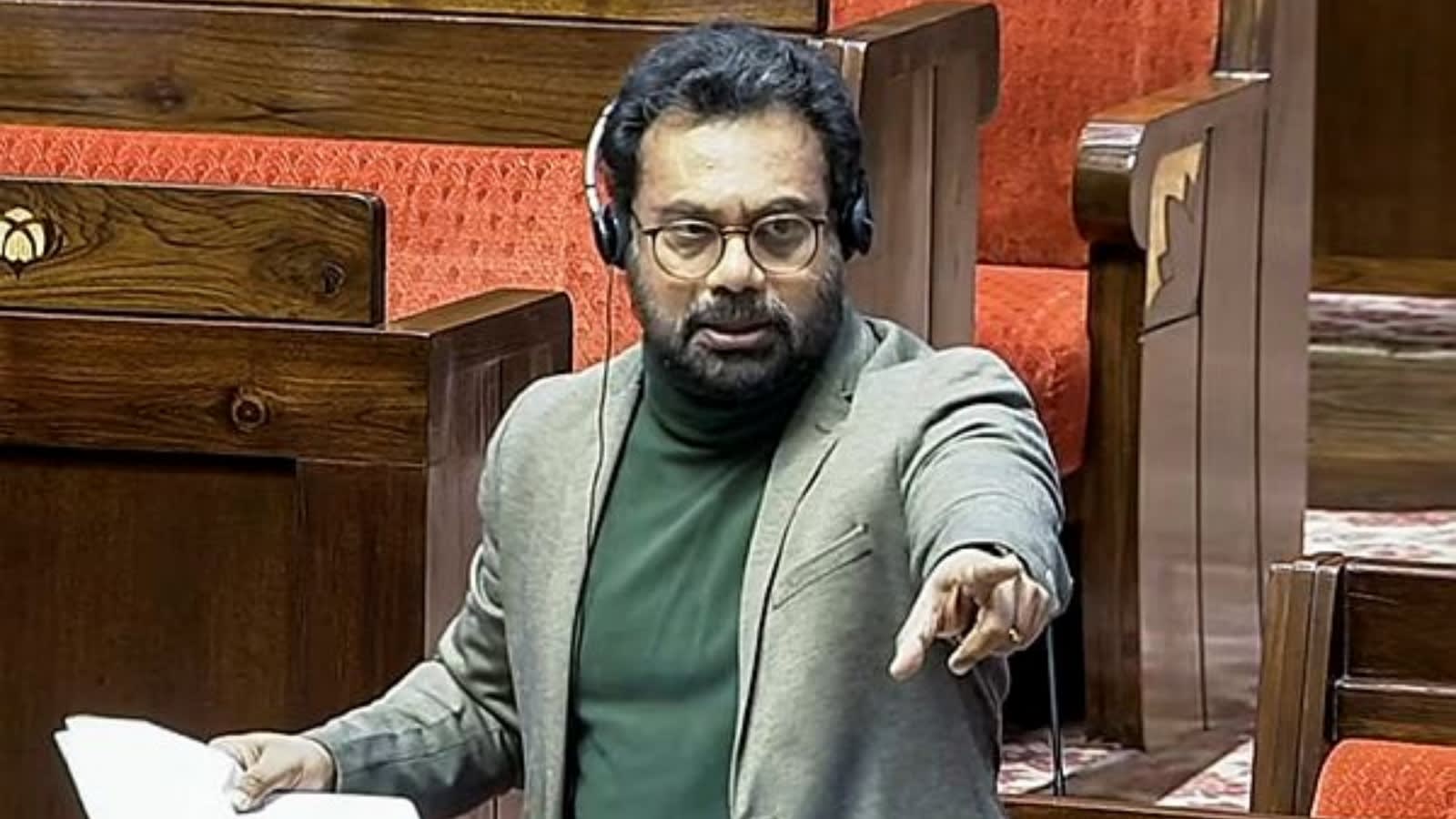
Rajya Sabha Secretariat has sought a response from the Home Secretary regarding an alleged assault on MP John Brittas during a protest against the Election Commission. Simultaneously, the ECI faces Supreme Court scrutiny over procedural transparency and internal disagreements concerning voter roll revisions.
Tensions Escalate: Parliamentary Privilege and ECI Oversight
The recent developments involving CPI(M) MP John Brittas and the Election Commission of India (ECI) represent a significant friction point between legislative oversight and the administration of electoral processes. Following an alleged assault on Brittas by security personnel in central Delhi on October 11, the Rajya Sabha Secretariat has formally intervened by seeking a response from the Home Secretary. This incident, occurring during a protest against Chief Election Commissioner Gyanesh Kumar, has elevated concerns regarding the treatment of elected representatives and the protection of democratic protest rights.
The Breach of Privilege Allegation
John Brittas has characterized the incident not merely as a personal grievance but as an assault on constitutional rights. By escalating the matter to President Droupadi Murmu, Vice-President and Rajya Sabha Chairman C.P. Radhakrishnan, and Chief Justice of India Surya Kant, Brittas has framed the event as a breach of Parliamentary privilege. The timing of the incident—occurring shortly after Supreme Court directives meant to safeguard peaceful protest—has added a layer of urgency and symbolic weight to his claims, suggesting a potential disconnect between constitutional protections and ground-level enforcement.
ECI Under Scrutiny: The Supreme Court Intervention
Simultaneously, the Election Commission of India finds itself navigating a complex legal challenge. A petition filed by advocate Rakesh Kumar Singh, prompted by investigative reporting regarding internal dissent among Election Commissioners, has led to a Supreme Court hearing. The petition seeks the suspension of Chief Election Commissioner Gyanesh Kumar pending a probe into the ECI's functional integrity. The ECI’s subsequent counter-affidavit aims to demonstrate unanimity in its decision-making, specifically regarding the Special Intensive Revision (SIR) process.
Procedural Lapses and Voter Concerns
While the ECI maintains that its motives for the SIR were honorable and within its constitutional remit, significant questions regarding procedural transparency remain. Critics and legal observers argue that the ECI has failed to adequately explain the rationale behind various changes to the voter roll and the handling of Form 6 applications. The harassment reported by ordinary citizens during these verification exercises has created a public trust deficit that the commission’s reliance on the claim of 'unanimous decision-making' has yet to fully rectify.
Broader Implications for Indian Democracy
The convergence of these two narratives—the alleged mistreatment of a parliamentarian and the ongoing legal inquiry into the ECI—highlights a critical juncture for Indian democratic institutions. The tension between the executive's security apparatus and the legislative branch, paired with the judiciary's role as the arbiter of the ECI's procedural fairness, underscores the necessity for institutional accountability. As the Supreme Court continues to evaluate the ECI's conduct, the outcomes will likely set a precedent for how oversight bodies balance administrative speed with democratic transparency.
Future Trends and Institutional Resilience
Moving forward, it is expected that the demand for greater transparency from the ECI will intensify. If the courts find that procedural lapses occurred during the intensive revision of voter rolls, it may force a structural change in how the ECI communicates its internal decision-making processes. Furthermore, the handling of the complaint regarding John Brittas will serve as a bellwether for the future of protest rights for elected officials, potentially necessitating new protocols for security personnel interacting with MPs in public spaces. The stability of these institutions depends on their ability to address these grievances with institutional candor rather than defensive posturing.
Multiple Citing Sources