ECI must explain procedural lapses
Source Entity
Latest News: Todays Latest News Headlines from India & World | Hindustan Times | Hindustan Times
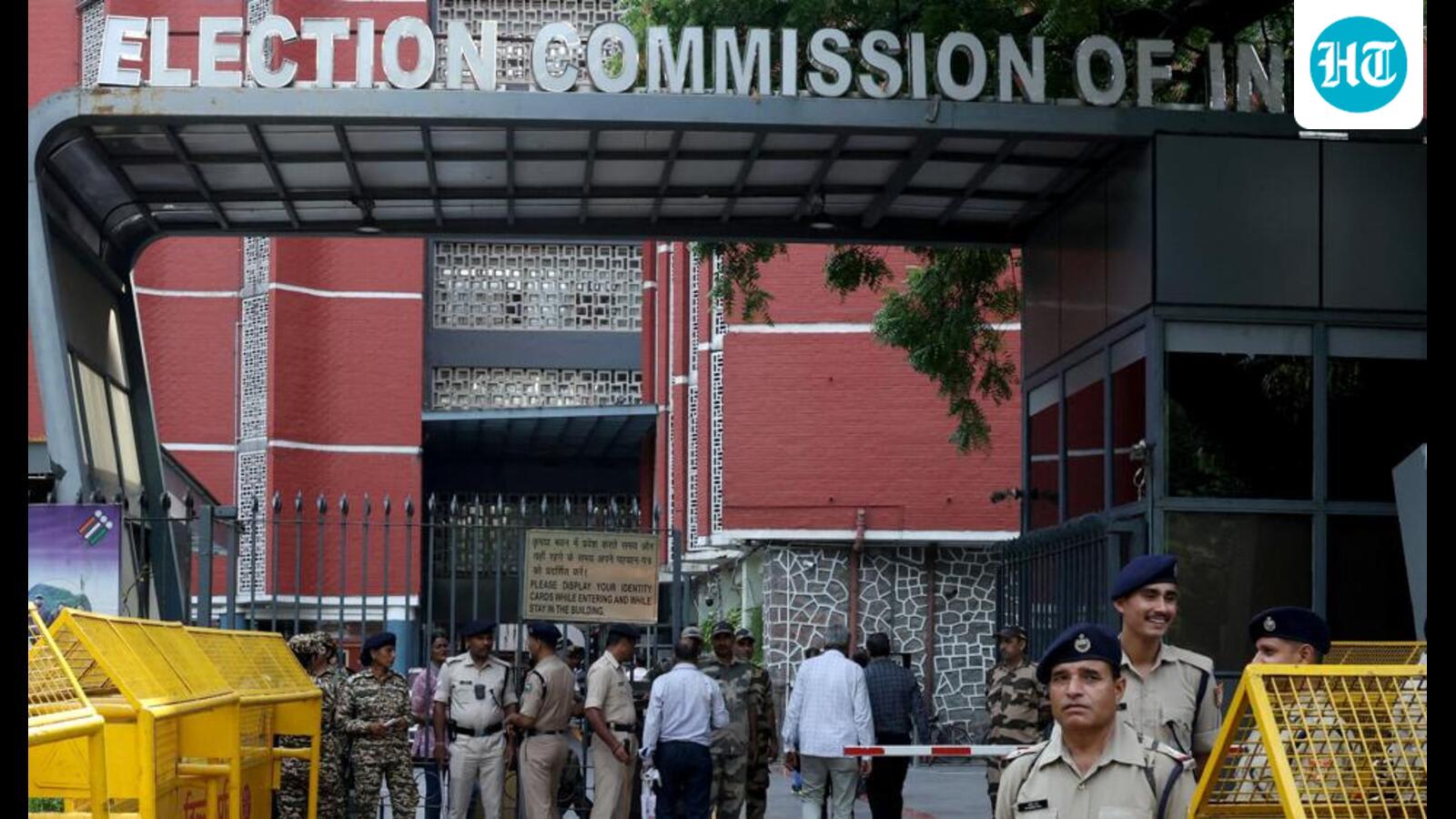
The Election Commission of India has submitted an affidavit to the Supreme Court defending its Special Intensive Revision process as unanimous, despite ongoing scrutiny. Simultaneously, the Court has issued notices regarding allegations of misconduct against Opposition leader Rahul Gandhi during related protests.
The Election Commission and the Integrity of Voter Rolls
Recent developments in the Supreme Court have brought the Election Commission of India (ECI) under intense judicial and public scrutiny. At the heart of the matter is the ECI’s submission of a counter-affidavit addressing concerns regarding the Special Intensive Revision (SIR) of electoral rolls. While the Commission has asserted that its decisions were taken with total unanimity among the three commissioners, the response has failed to fully appease critics who argue that the procedural shifts in voter roll management require greater transparency. The ECI’s defense emphasizes that its motives remain within its constitutional remit, yet the gap between these stated intentions and the practical difficulties faced by citizens remains a point of contention.
Unpacking the Procedural Controversy
The tension stems from an investigation suggesting internal discord within the ECI. Reports indicate that Election Commissioners Sukhbir Singh Sandhu and Vivek Joshi had formally recorded disagreements on 14 separate occasions over a 10-month period. This revelation stands in stark contrast to the ECI’s current official stance of total consensus. By filing an affidavit that claims unanimity, the ECI is attempting to project institutional stability; however, this approach risks alienating those who believe the institution must account for the specific procedural lapses that caused significant inconvenience to millions of voters during the verification process.
The Legal Challenges Facing the ECI
The legal atmosphere is further complicated by a petition seeking the suspension of Chief Election Commissioner Gyanesh Kumar. This petition, filed by advocate Rakesh Kumar Singh, hinges on the aforementioned reports of internal dissent. The Supreme Court is now tasked with weighing the ECI's administrative autonomy against the necessity of public accountability. If the court finds that the ECI’s procedural changes were implemented without adequate safeguards or clear communication, the commission may be forced to overhaul its verification protocols to prevent future disenfranchisement.
Political Tensions and the Supreme Court
The judicial discourse is not limited to the ECI’s administrative functions. In a parallel development, the Supreme Court has issued notices to the Centre, the Delhi Police, and Leader of Opposition Rahul Gandhi. This stems from an application by journalist Richa Parashar, who alleges that she was pushed by Gandhi during an October 12 protest march held by Opposition leaders in relation to the anti-CEC demonstrations. This incident highlights how the broader political conflict regarding the ECI has spilled over into physical confrontations within the court premises.
Broader Implications for Indian Democracy
The intersection of these events—the questioning of the ECI's internal decision-making and the legal fallout from political protests—underscores a fragile moment for Indian democratic institutions. For the ECI, the challenge is to regain public trust by moving beyond simplified process changes and addressing the 'harassment' of voters that has been alleged. The requirement for a fuller, more transparent explanation is not merely a procedural demand but a fundamental necessity for maintaining faith in the electoral process.
Future Trends and Judicial Oversight
Looking ahead, the Supreme Court’s role as an arbiter in these matters will be critical. The court must balance the need for the ECI to function independently with the constitutional right of citizens to clear, fair, and accessible electoral processes. As the court processes the notices issued to political figures and evaluates the ECI’s affidavit, the outcome will likely set a significant precedent for how institutional dissent and public protest are handled in the future. The ECI must navigate these waters with increased transparency, or risk further judicial intervention into its internal operations.
Multiple Citing Sources
Verification Required?