Speaker Mike Johnson calls election-transfer concerns ‘absurd’
Source Entity
US Top News and Analysis
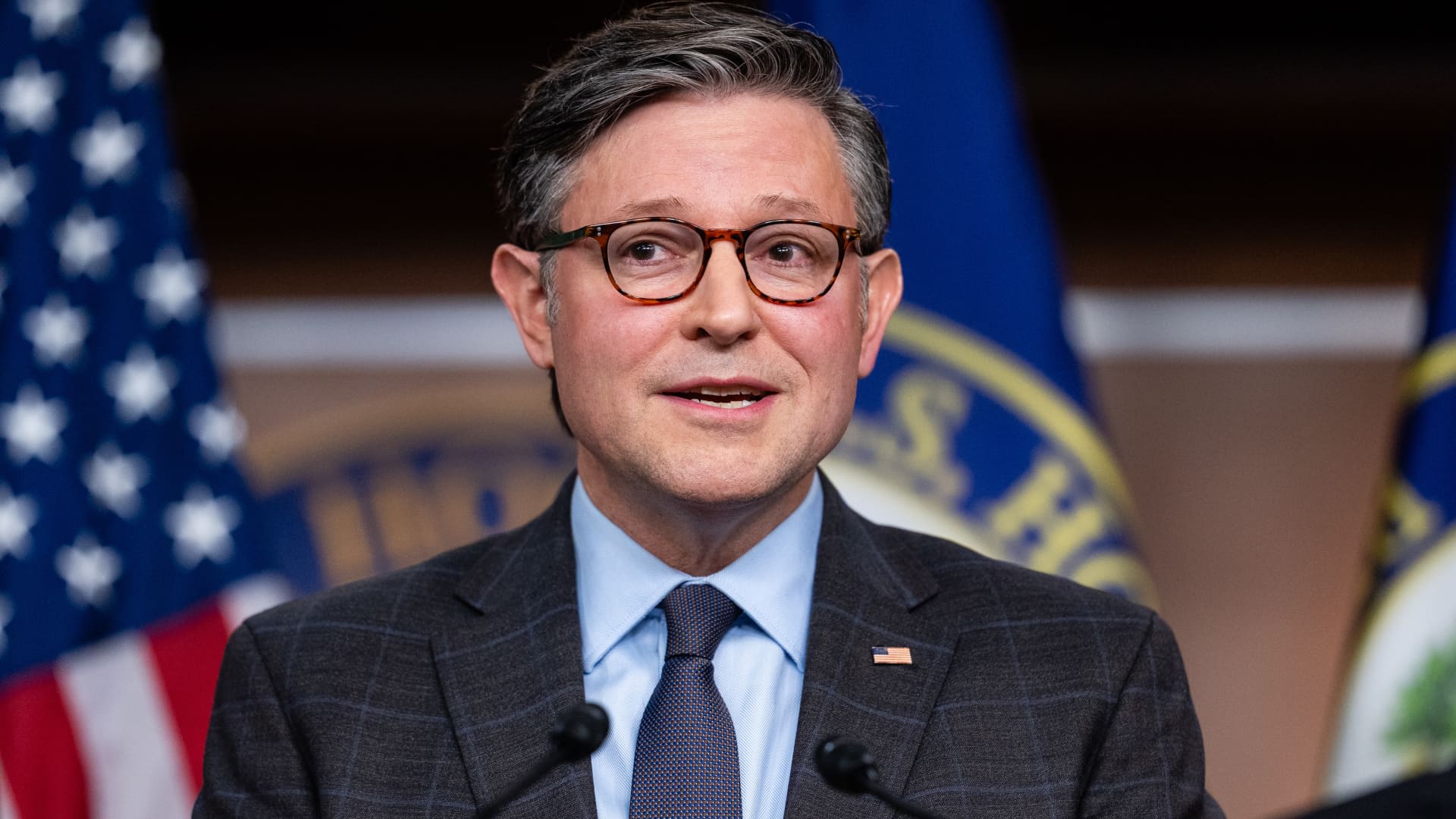
House Speaker Mike Johnson has dismissed concerns regarding a peaceful transfer of power as 'absurd,' affirming his commitment to constitutional processes. He stated that all certified members of Congress will be sworn in on January 3, regardless of partisan outcomes.
Upholding Constitutional Norms: Speaker Johnson Responds to Election Concerns
Addressing the Transfer of Power
In a recent statement, U.S. House Speaker Mike Johnson directly addressed growing anxieties regarding the integrity of the upcoming electoral process. As the nation approaches the November 3 midterm elections, Democrats and various voting rights organizations have expressed apprehension that President Donald Trump and members of the Republican caucus might attempt to challenge or obstruct the certification of results should they fall short of a majority. Speaker Johnson characterized these concerns as "absurd," aiming to project stability and confidence in the institutional framework of American democracy.
The Constitutional Mandate
Speaker Johnson’s response centered on a strict interpretation of the U.S. Constitution, which serves as the bedrock of the federal legislative process. By emphasizing that the role of the Speaker is to follow established procedural law—specifically the certification of election results by individual states—Johnson sought to decouple the legislative transition from the political rhetoric surrounding the campaign trail. He articulated that his primary duty upon the convening of the new Congress on January 3 is the administration of the oath of office to all certified members, irrespective of their party affiliation.
Contextualizing the Political Climate
The timing of these remarks, delivered during a campaign stop with New York Republican Rep. Mike Lawler, underscores the high-stakes environment of the midterms. The current political landscape is marked by deep polarization, where the legitimacy of election administration has become a central point of contention. By making this commitment, Johnson is attempting to reassure the public that the House of Representatives will remain a functional body that respects the outcomes of state-certified electoral processes, thereby distancing the legislative branch from potential executive-level disputes.
Institutional Stability vs. Partisan Rhetoric
While the Speaker’s words are intended to provide clarity, they also highlight the ongoing friction between political strategy and institutional duty. The concerns raised by Democrats and voting rights groups reflect a broader skepticism regarding the commitment of certain political factions to democratic norms, particularly following past cycles of contested outcomes. Johnson’s pledge to honor state certifications acts as a procedural firewall intended to prevent legislative paralysis when the new session begins in early 2027.
Future Implications for Congress
Looking ahead, the commitment to a peaceful transfer and the orderly swearing-in of members is critical for the maintenance of government continuity. If the Speaker adheres to the timeline and process outlined in the Constitution, it will likely serve to mitigate some of the systemic uncertainty currently felt by the electorate. However, the true test will occur in the days following the November 3 election, as the nation awaits state certifications. The Speaker’s adherence to these stated constitutional principles will be a defining factor in the perceived legitimacy of the next legislative session.