On theatre commands, let’s finish arguing, reach a settlement, before next crisis comes
Source Entity
Arun Prakash
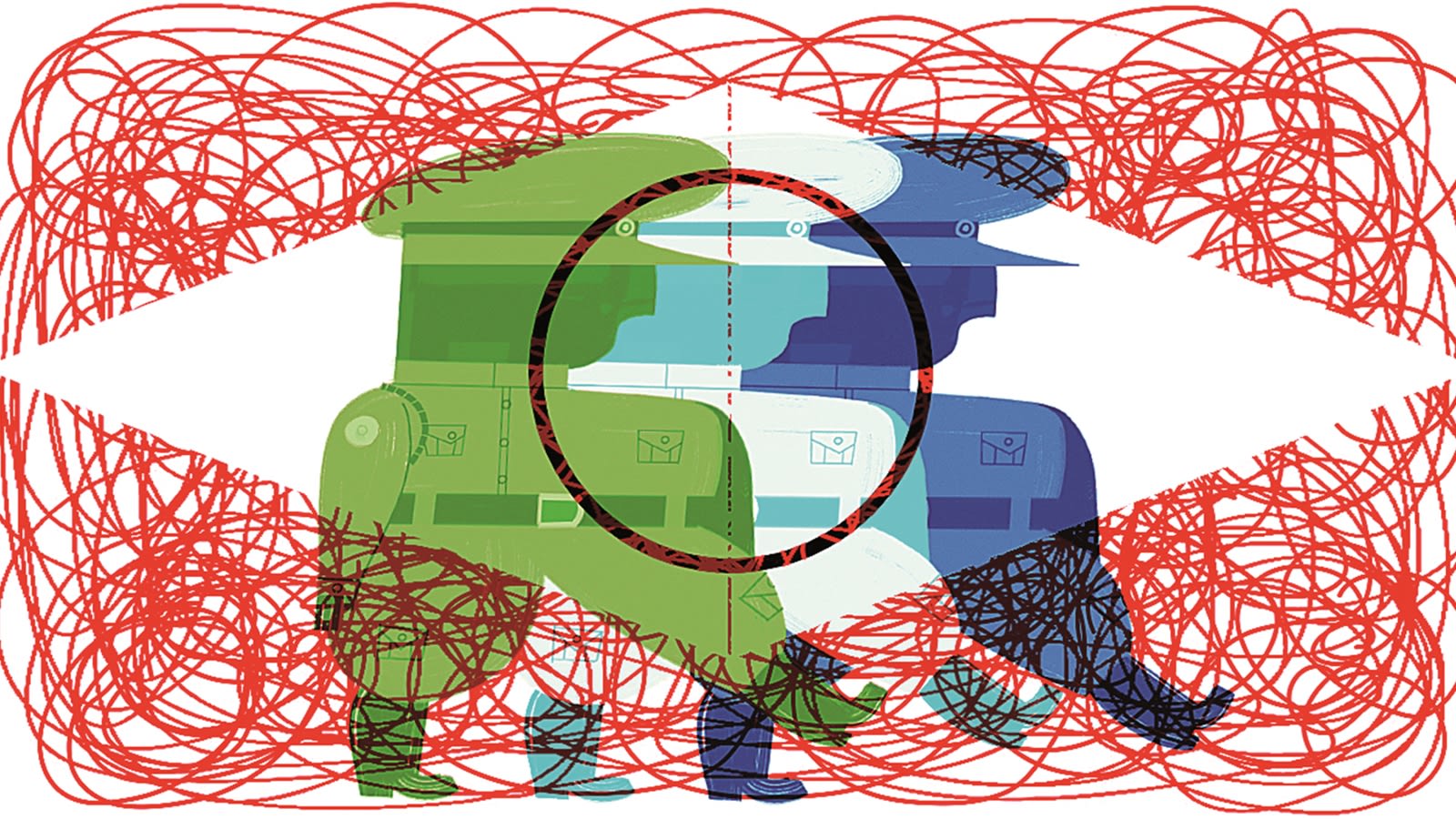
India's push for military theatre commands faces internal friction between the Army, Air Force, and Navy. Overcoming these service-specific concerns is essential for modernizing India's national security architecture.
The Imperative for Military Integration in India
Seven years after the initial mandate to restructure India’s military into theatre commands, the process remains caught in a bureaucratic and institutional impasse. While the government’s directive to the Chief of Defence Staff (CDS) was clear—aiming to foster jointness and synergy across the armed forces—the implementation has devolved into a series of inter-service disputes. This transition represents one of the most significant structural reforms in the history of the Indian military, moving away from legacy structures toward a model designed for 21st-century warfare.
The Anatomy of Institutional Friction
The current stalemate is defined by deep-seated anxieties among the three branches of the military. The Army, focused on land-based operations, expresses concerns regarding the guaranteed availability of air support during critical maneuvers. Simultaneously, the Indian Air Force fears that the fragmentation of its limited, high-value squadrons across various theatre commands could dilute its operational flexibility and strategic impact. The Navy, meanwhile, remains wary that a predominantly continental-focused strategic doctrine might result in the marginalization of maritime requirements and a subsequent depletion of its resource allocation.
Historical Precedents and Lessons
These anxieties are not unique to India; they echo historical tensions that have plagued major militaries since the dawn of aerial warfare in World War I. The struggle to integrate air power into broader ground and naval strategies has been a persistent theme in military history. Global precedents suggest that such inter-service friction is a standard, albeit difficult, phase in the evolution toward joint command structures. The inability to resolve these concerns promptly risks leaving the national security apparatus vulnerable to the complexities of modern multi-domain threats.
The Danger of Turf Wars
The current debate, often masked in the language of high-level strategic principles, is fundamentally a struggle over institutional turf. By prioritizing individual service autonomy over collective operational efficiency, the military risks stagnation. The persistence of these disputes indicates a failure to institutionalize the culture of compromise that is necessary for joint operations. Without a clear path to resolution, the military may find itself ill-prepared for the next regional or global crisis that demands a rapid, unified response.
Path Toward a Unified Future
To move forward, the Indian defense establishment must transition from arguing over operational control to negotiating a settlement that balances service-specific expertise with the overarching necessity of jointness. This requires high-level political and military mediation to ensure that the theatre command model is not just a structural change, but an operational reality. The ultimate goal remains the creation of a seamless, integrated force capable of projecting power effectively across land, air, and sea, ensuring India remains resilient in an increasingly volatile geopolitical landscape.