Government working on bill to curb child & revenge porn: Solicitor general in SC
Source Entity
DHANANJAY MAHAPATRA
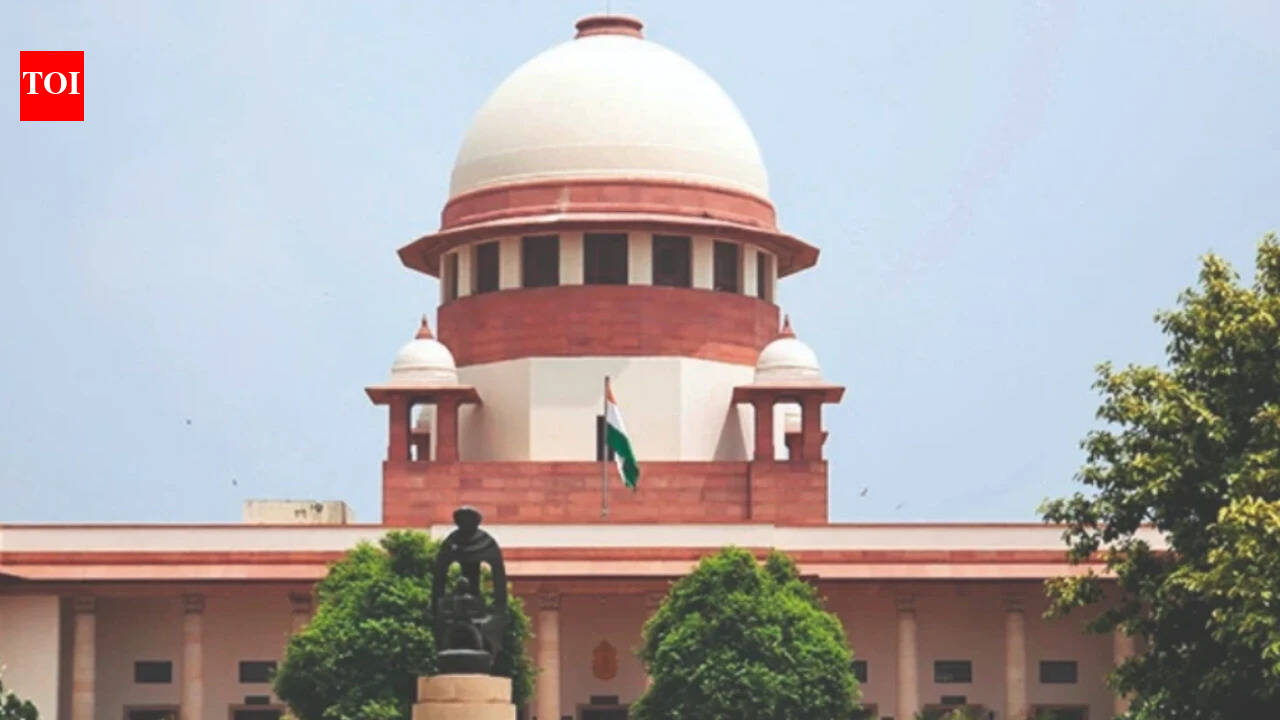
The Indian government is drafting a new legislative framework to curb the circulation of child pornography and non-consensual explicit content. The proposed law aims to hold intermediaries accountable and allow third-party reporting of offensive digital material.
Government Moves to Strengthen Digital Safety Laws
The Union government has officially informed the Supreme Court of India that it is in the advanced stages of drafting a comprehensive legislative framework designed to combat the proliferation of child pornography and non-consensual explicit content online. This development, presented by Solicitor General Tushar Mehta before a bench led by Chief Justice of India Surya Kant, marks a significant shift in how the state intends to address the digital epidemic of 'revenge porn' and defamatory morphed media.
Addressing the Gap in Digital Protection
Historically, legal recourse for victims of non-consensual explicit content—often stemming from soured personal relationships—has been fragmented and difficult to enforce across various social media platforms. The NGO Prajwala, which brought the matter to the Supreme Court, highlighted that current safeguards for adults are insufficient to handle the rapid virality of sexual assault videos and defamatory content. By formalizing this into a specific bill, the government aims to bridge these systemic gaps and provide a clear, statutory mechanism for justice.
Expanding Intermediary Liability
One of the most consequential aspects of the proposed policy is the potential shift in the responsibility of digital intermediaries. The Solicitor General indicated that the government is contemplating a framework that mandates platforms not only to remove offensive content upon notification but also to proactively apprise law enforcement authorities when such content is uploaded. This move signals a stricter regulatory posture, moving away from a passive 'safe harbor' model toward one of active compliance and digital vigilance.
Democratizing the Complaint Mechanism
The proposed legislation seeks to lower the barrier for reporting offensive content. Currently, many victims find the process of filing a police complaint daunting or inaccessible due to social stigma or technical barriers. By allowing third parties to file bona fide complaints, the government aims to empower citizens and activists to act as watchdogs for digital safety, ensuring that harmful content does not linger in the public sphere simply because the primary victim is unable or afraid to come forward.
Future Implications and Legislative Outlook
While the Solicitor General has stated that the exact contours of the bill are still being finalized, the intent is clear: the state is prioritizing the sanctity of digital privacy and the protection of minors. If successfully enacted, this law will represent a landmark effort to harmonize individual privacy rights with the urgent need for platform accountability. As the Supreme Court continues to monitor the progress of this draft, the focus will remain on balancing the necessity of strict content moderation with the broader principles of free speech and digital accessibility in the Indian landscape.