1.89 lakh names deleted in electoral rolls of Shivamogga district after SIR
Source Entity
India Latest News: Top National Headlines Today & Breaking News | The Hindu
Karnataka has undergone a major electoral roll revision, removing nearly 1 crore ineligible voters to ensure a cleaner database. The Special Intensive Revision (SIR) process identified millions of absent, shifted, dead, or duplicate entries, resulting in a updated statewide electorate of approximately 4.54 crore.
Karnataka’s Electoral Integrity: A Massive Cleanup Operation
The recent conclusion of the Special Intensive Revision (SIR) in Karnataka marks a significant milestone in the state’s administrative history. By removing approximately 99.76 lakh names from the electoral rolls, the Election Commission has taken a decisive step toward ensuring a 'pure' and accurate voter database. This massive reduction, which brought the state's total electorate down from roughly 5.5 crore to 4.54 crore, reflects a meticulous effort to address long-standing issues of data inflation and inaccuracies within the system.
Understanding the ASDDO Mechanism
At the core of this exercise was the identification of voters categorized as ASDDO—Absent, Shifted, Dead, Duplicate, and Others. The sheer volume of removals—with 65.45 lakh voters identified as permanently shifted alone—highlights the challenges of maintaining a dynamic electoral roll in a state with high internal migration, such as Karnataka. By systematically verifying the status of each entry, the authorities aim to prevent electoral fraud and ensure that every vote cast is legitimate.
The Shivamogga District Example
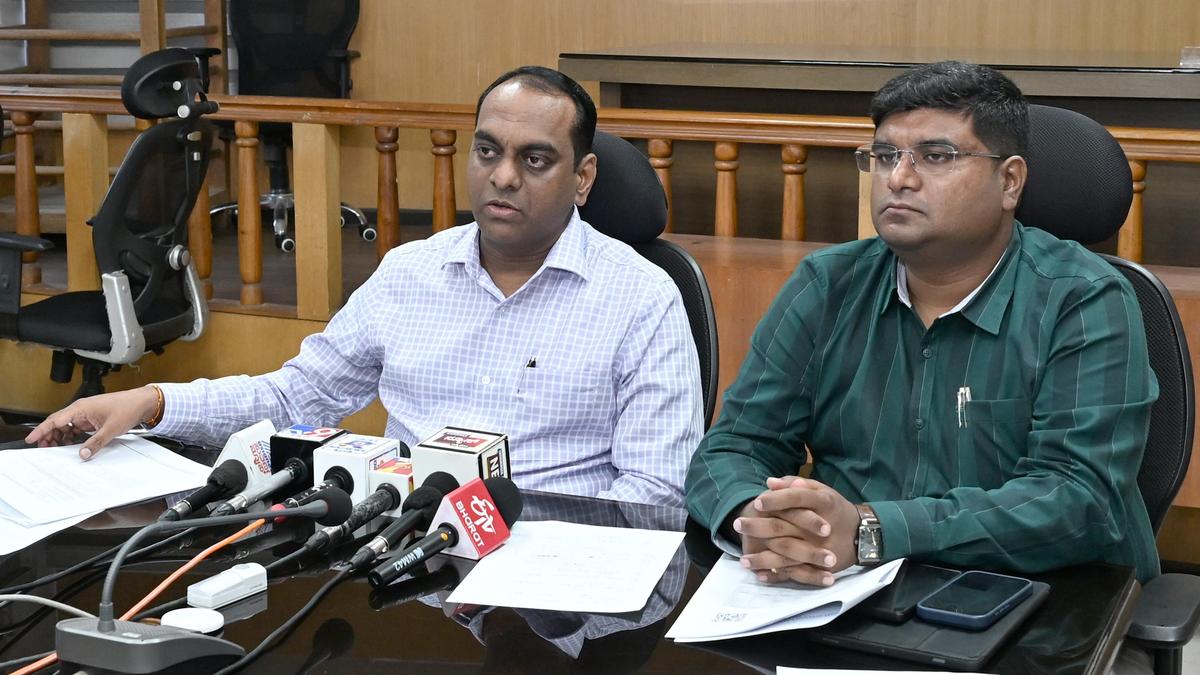
Shivamogga district provides a granular look at how the SIR process functioned at the local level. Deputy Commissioner Prabhulinga Kavalikatti reported that 1,89,166 names were deleted from the district's rolls. This included not only the ASDD categories but also those flagged during an enquiry phase due to logical discrepancies. The issuance of notices to 48,660 voters demonstrates the rigorous vetting process employed to ensure that no legitimate voter was removed without due process.
Demographic Impact and Future Trends
While the reduction in numbers is substantial, the demographic breakdown reveals a nuanced picture. A notable portion of the removed voters, specifically 86.56 lakh, belonged to the 20-29 age demographic, suggesting that many of these entries were legacy data or individuals who had relocated for employment or education. Simultaneously, the registration of 6.83 lakh new voters indicates that the system is successfully balancing the removal of ineligible names with the inclusion of new, eligible citizens.
Broader Implications for Democracy
Maintaining a clean electoral roll is the bedrock of a functioning democracy. The SIR process in Karnataka serves as a model for other states, demonstrating that periodic, intensive revisions are necessary to counter the natural decay of voter data over time. By digitizing and verifying these lists, the Election Commission is reducing the potential for systemic errors and enhancing the credibility of the upcoming electoral cycles.
Conclusion: Moving Toward a Cleaner Future
The publication of the final electoral rolls on the Chief Electoral Officer’s website marks the end of a rigorous administrative phase. While the removal of nearly 1 crore names is a significant administrative shift, it is a necessary evolution to ensure that the electoral process remains robust, transparent, and reflective of the actual population. This exercise underscores the state's commitment to democratic integrity, ensuring that the electorate is both accurate and representative.
Multiple Citing Sources
Verification Required?