Karnataka govt. lays down guidelines for setting up 10,000 Bharat Jodo Yuva Sanghas with focus on sports and culture
Source Entity
India Latest News: Top National Headlines Today & Breaking News | The Hindu
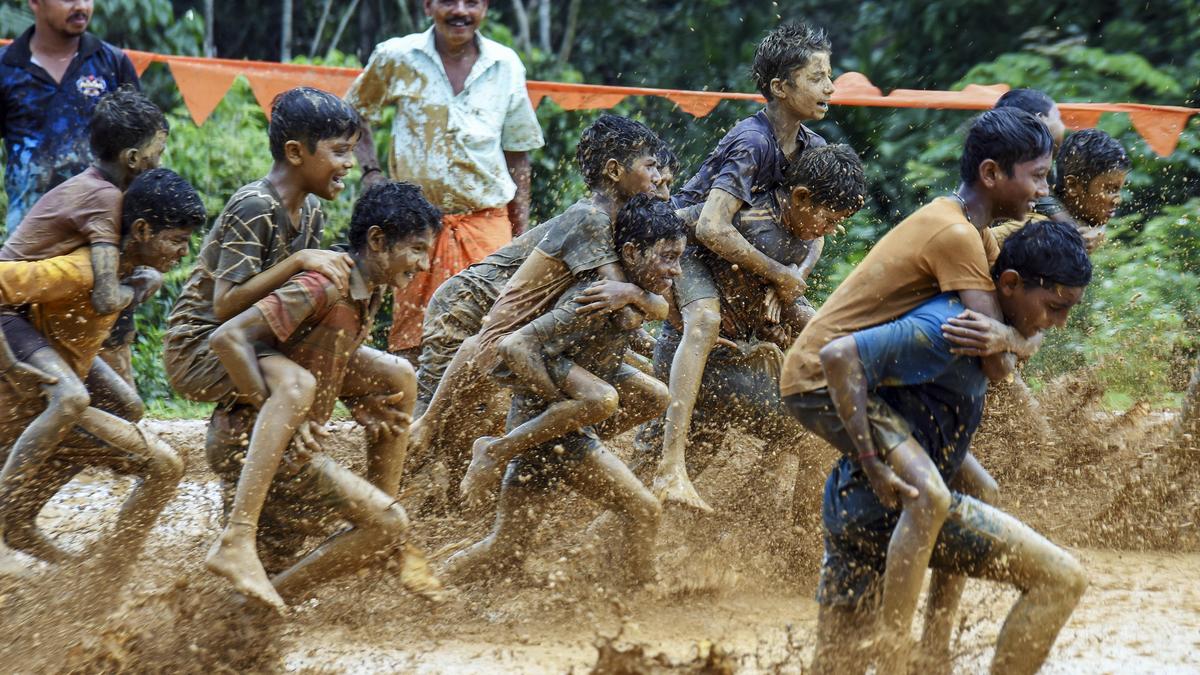
The Karnataka government on Monday began the process of setting up 10,000 Bharat Jodo Yuva Sanghas in 6,000 gram panchayats and 4,000 wards in urban local bodies across the State by laying down guidel...
Karnataka's Strategic Youth Mobilization: The Bharat Jodo Yuva Sanghas
The Karnataka government has recently initiated a sweeping administrative move to establish 10,000 'Bharat Jodo Yuva Sanghas' across the state. By laying down comprehensive guidelines for these organizations, the state seeks to create a structured network of youth engagement spanning both rural and urban landscapes. The scale of the project is significant, targeting 6,000 gram panchayats in rural areas and 4,000 wards within urban local bodies. This dual-pronged approach ensures that the initiative permeates every level of the state's administrative hierarchy, aiming for an inclusive reach that leaves no demographic pocket untouched.
Focus on Sports and Cultural Integration
At the heart of these Yuva Sanghas is a dedicated focus on sports and culture. By prioritizing these two pillars, the government is not merely providing recreational outlets but is attempting to use sports and arts as a vehicle for social cohesion. Sports, in particular, are recognized as a powerful tool for instilling discipline, teamwork, and resilience among the youth. Similarly, the emphasis on culture aims to reconnect the younger generation with their heritage while promoting a spirit of pluralism and national unity, as suggested by the 'Bharat Jodo' (Unite India) branding of the initiative.
Grassroots Governance and Social Impact
Establishing these Sanghas at the gram panchayat and ward levels indicates a strategic shift toward grassroots mobilization. By decentralizing the youth engagement process, the Karnataka government can better identify local talent and address region-specific challenges. This structure allows the state to monitor youth activity more closely and provide targeted support for local athletes and artists. Furthermore, by creating these formal bodies, the government provides a platform for youth to participate in community leadership, potentially bridging the gap between the administration and the younger citizenry.
Historical and Political Context
Historically, youth organizations in India have served as the bedrock for both social reform and political mobilization. The creation of the Bharat Jodo Yuva Sanghas reflects a modern iteration of this trend, where the state leverages organized youth groups to drive a specific social agenda—in this case, unity and holistic development. The naming convention 'Bharat Jodo' aligns with a broader national discourse on unity and integration, suggesting that the Karnataka government intends to align its state-level youth policy with overarching themes of national solidarity.
Future Trends and Potential Challenges
Looking forward, the success of these 10,000 Sanghas will depend heavily on the efficacy of the guidelines and the consistency of funding and mentorship. If implemented successfully, these hubs could evolve into centers for vocational training, digital literacy, and civic education. However, the government faces the challenge of ensuring that these organizations remain focused on their stated goals of sports and culture rather than becoming mere political instruments. The long-term trend suggests a move toward 'community-led governance' where youth are seen as active partners in development rather than passive recipients of government schemes.
Conclusion
In summary, the establishment of the Bharat Jodo Yuva Sanghas represents a bold attempt by the Karnataka government to institutionalize youth engagement. By blending sports, culture, and grassroots administration, the state is investing in the social capital of its younger population. While the logistical challenge of managing 10,000 units is immense, the potential for fostering national unity and discovering local talent makes this a pivotal move in Karnataka's social policy framework.
Verification Required?