Government can’t bind super-specialist doctor to service for life without posting: Karnataka High Court
Source Entity
India Latest News: Top National Headlines Today & Breaking News | The Hindu
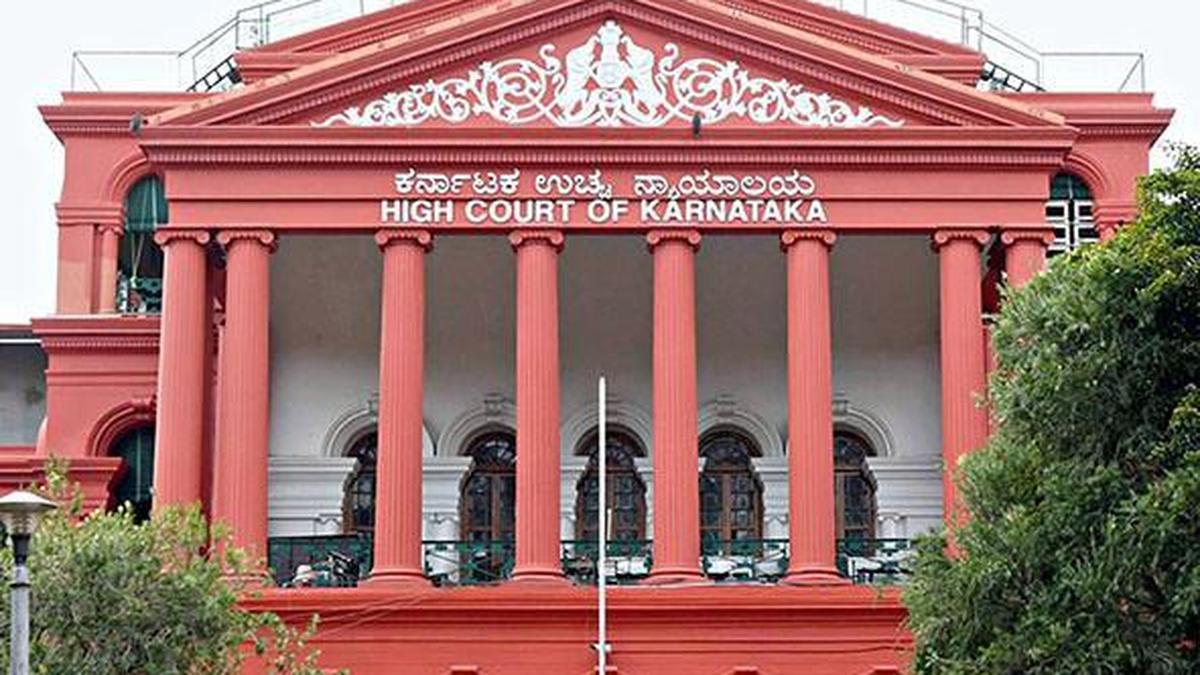
The Karnataka High Court ruled that the government cannot indefinitely bind super-specialist doctors to service if it fails to provide them with a posting. The court dismissed disciplinary action against a doctor who resigned after waiting three years for an assignment.
Karnataka High Court Rejects Indefinite Service Bonds for Specialists
The Legal Precedent of Reasonable Expectation
The Karnataka High Court, in a significant ruling delivered by a Division Bench consisting of Justice Anu Sivaraman and Justice Venkatesh Naik T., has affirmed that government-employed medical professionals cannot be held in a state of perpetual obligation. The court addressed the case of a super-specialist doctor who, after completing his three-year course in 2018 under the in-service quota, found himself in a professional limbo. By declaring that the state cannot demand lifelong indebtedness in the absence of an actual posting, the judiciary has set a clear boundary on how administrative service bonds function in the public health sector.
The Failure of Administrative Duty
At the heart of this controversy is the government’s failure to utilize the specialized skills of the doctor in question. The individual had actively sought a posting upon the completion of his studies, yet the state machinery remained unresponsive for three years. The High Court’s decision to uphold a 2023 single-judge order—which set aside disciplinary proceedings against Dr. Adnan Saeed—highlights that the government’s failure to provide a role renders the subsequent resignation a matter of necessity rather than a breach of contract.
Balancing Public Service and Professional Autonomy
This case touches upon a broader conflict between the state’s need to secure specialized medical talent for rural and public health infrastructure and the individual rights of doctors. While governments often utilize in-service quotas to ensure that super-specialists return to public service, this ruling clarifies that such agreements are not absolute. The state’s right to enforce a bond is inherently tied to its ability to provide the opportunity to serve; it cannot claim a right to a doctor's career while failing to provide a position for that career to exist.
Implications for Healthcare Governance
The ruling serves as a cautionary tale for government health departments regarding human resource management. When highly trained professionals are left without assignments, it not only leads to a waste of public resources and talent but also creates legal vulnerabilities for the state when they attempt to impose disciplinary measures. The court’s stance ensures that doctors are not treated as static assets held in reserve indefinitely, but rather as professionals who require active engagement to fulfill their societal obligations.
Future Trends in Medical Employment Law
Moving forward, this judgment is likely to influence how service bonds are drafted and enforced across India. It underscores a shift toward holding administrative bodies accountable for their failures in deployment. By prioritizing the principle of reasonableness, the court has signaled that contractual obligations in public service must be reciprocal. Future disputes of this nature will likely rely on this precedent to protect medical professionals from arbitrary disciplinary actions stemming from bureaucratic stagnation.
Verification Required?