Mayawati questions 7.8% GDP growth, asks what it means for the poor
Source Entity
Latest News: Todays Latest News Headlines from India & World | Hindustan Times | Hindustan Times
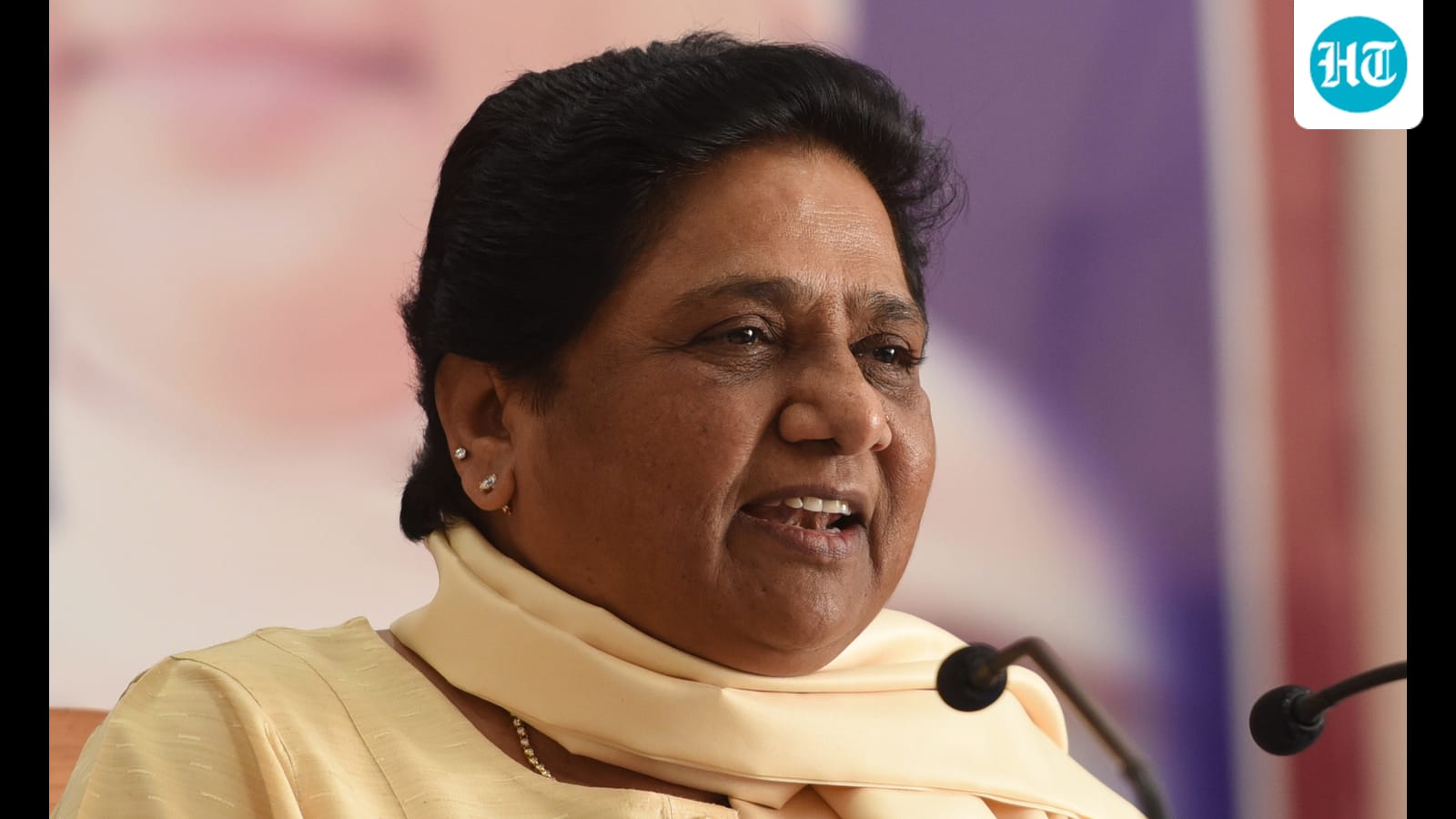
BSP chief Mayawati has challenged the government's 7.8% GDP growth figures, questioning their actual impact on the impoverished and unemployed. She emphasized that economic success must be measured by tangible improvements in the lives of ordinary citizens rather than isolated statistics.
The Disconnect Between Macroeconomic Data and Ground Reality
BSP chief Mayawati has ignited a critical discourse regarding the recent announcement of a 7.8% GDP growth rate for India’s first quarter. While the government presents these figures as a sign of robust economic health, Mayawati has raised fundamental questions about the relevance of these statistics to the average citizen. By focusing on the persistent struggles of poverty, unemployment, and inflation, she highlights a growing tension between high-level macroeconomic indicators and the lived experience of India's most vulnerable populations.
The Validity of Economic Indicators
In her public statement on X, Mayawati addressed the potential for data discrepancies. While she acknowledged that high growth is inherently welcome, she introduced a note of caution regarding the accuracy of government reporting. Her skepticism reflects a broader political trend where opposition leaders increasingly scrutinize the methodology behind state-reported economic data, arguing that if the figures are manipulated, they fail to serve as a reliable tool for policy formulation or public accountability.
Defining True Economic Progress
Mayawati’s argument centers on the premise that development cannot be viewed in isolation from the socio-economic conditions on the ground. She posits that a high GDP growth percentage is essentially meaningless if it does not translate into job creation, stable prices, or improved quality of life for the working class. This perspective forces a dialogue on whether India’s current economic model is sufficiently inclusive or if it disproportionately benefits specific sectors while leaving the informal economy behind.
The Impact of Inflation and Unemployment
For many families, the headline growth rate is overshadowed by the rising costs of essential goods and the scarcity of stable employment. Mayawati’s critique serves as a reminder that the 'poor and working people' often experience the economy through the lens of purchasing power rather than national output metrics. By calling on the government to explain what this growth has delivered to the common man, she is demanding a shift in focus from abstract numbers to tangible, distributive economic justice.
Implications for Future Policy
This debate underscores the political imperative for the government to provide greater transparency and clear communication regarding the benefits of its economic strategies. As the nation continues to navigate global economic volatility, the demand for equitable growth is likely to become a central theme in domestic political discourse. Future policy initiatives will be judged not just on their ability to spur growth, but on their capacity to ensure that economic prosperity reaches the lowest strata of society.
Conclusion
Mayawati’s questioning of the 7.8% GDP growth rate serves as a vital critique of how economic success is defined and communicated. By prioritizing the welfare of the poor over aggregate data, she underscores the necessity of inclusive development. Ultimately, the government’s challenge lies in reconciling these impressive growth figures with the harsh realities of those still struggling on the economic margins.
Verification Required?