Bengaluru court restrains media, tech platforms from disseminating defamatory vidoes on Siddaramaiah
Source Entity
India Latest News: Top National Headlines Today & Breaking News | The Hindu
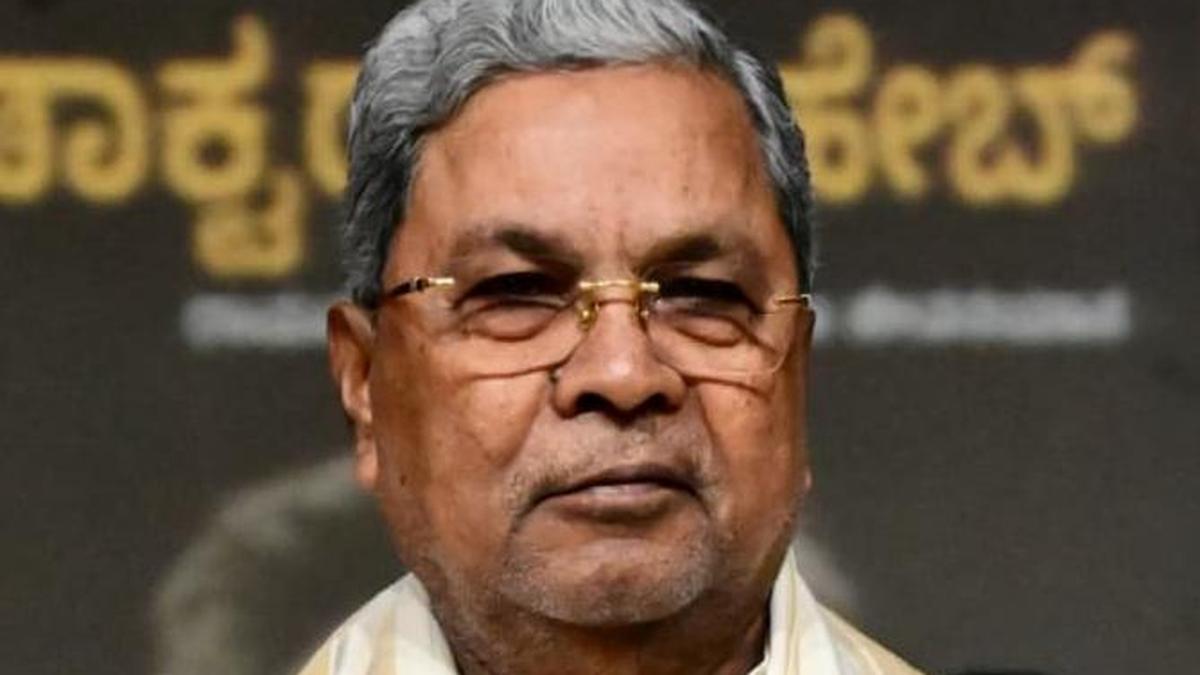
Indian courts are increasingly active in addressing digital defamation, with recent orders targeting videos against public figures like Siddaramaiah and Dhruv Rathee. Simultaneously, the Karnataka government is advancing infrastructure projects, including plans for a new High Court building on the Bangalore Turf Club land.
The Intersection of Digital Accountability and Judicial Infrastructure in Karnataka
The Legal Battle Against Online Defamation
Recent judicial developments in India highlight an intensifying struggle between digital speech and the protections afforded to public figures against alleged defamation. A Bengaluru civil court has issued an ad-interim ex-parte injunction against 42 media entities, including major tech platforms like Google, Facebook, and YouTube, to prevent the dissemination of content deemed defamatory toward former Chief Minister Siddaramaiah. This sweeping order underscores the judiciary's growing willingness to exert control over the digital ecosystem when reputations of high-profile political figures are at stake.
Broadening the Scope of Digital Censorship
The scope of the court’s order is significant, as it not only targets the primary creators of the impugned videos but also mandates that major tech giants immediately disable access to the content. This reflects a broader trend of Indian courts utilizing injunctions to curb the spread of viral misinformation or potentially libelous commentary. By casting such a wide net—encompassing newspapers, television channels, and various digital platforms—the judiciary is signaling that the responsibility for defamatory content now rests heavily on the platforms that host and distribute it.
The Dhruv Rathee Case: A Persistent Legal Challenge
Parallel to the Bengaluru order, the legal system is also processing a defamation case involving YouTuber Dhruv Rathee. Bailable warrants have been issued against him in connection with a 2018 video targeting the BJP IT cell. This case, which has persisted for several years, serves as a testament to the long-term legal risks faced by digital content creators who utilize their platforms to critique political organizations. It highlights the potential for legal repercussions to follow creators long after the initial publication of their work.
Infrastructure and Governance: The Bangalore Turf Club Transition
While the judiciary addresses defamation, the political executive in Karnataka is focusing on major infrastructure shifts. Deputy Chief Minister D.K. Shivakumar recently announced that the state cabinet is set to decide on the allocation of land at the Bangalore Turf Club for a new High Court of Karnataka building. The move is framed as a necessity, with officials noting that the current High Court building is the only one in India facing the legislature house, suggesting a need for a more distinct and spacious judicial campus.
Future Trends in Governance and Media
The convergence of these events paints a picture of a state where judicial and political priorities are rapidly evolving. The push for a new High Court building on a 12-15 acre site signifies a long-term commitment to expanding judicial infrastructure, while the aggressive stance on digital content suggests that the legal environment for online commentary will likely become more restrictive. As these trends continue, both digital media platforms and political actors will need to navigate a landscape defined by stricter content oversight and large-scale urban redevelopment.
Multiple Citing Sources
Verification Required?