Karnataka PDS probe: Lokayukta sets up high-level committee for systemic reforms
Source Entity
The Indian Express
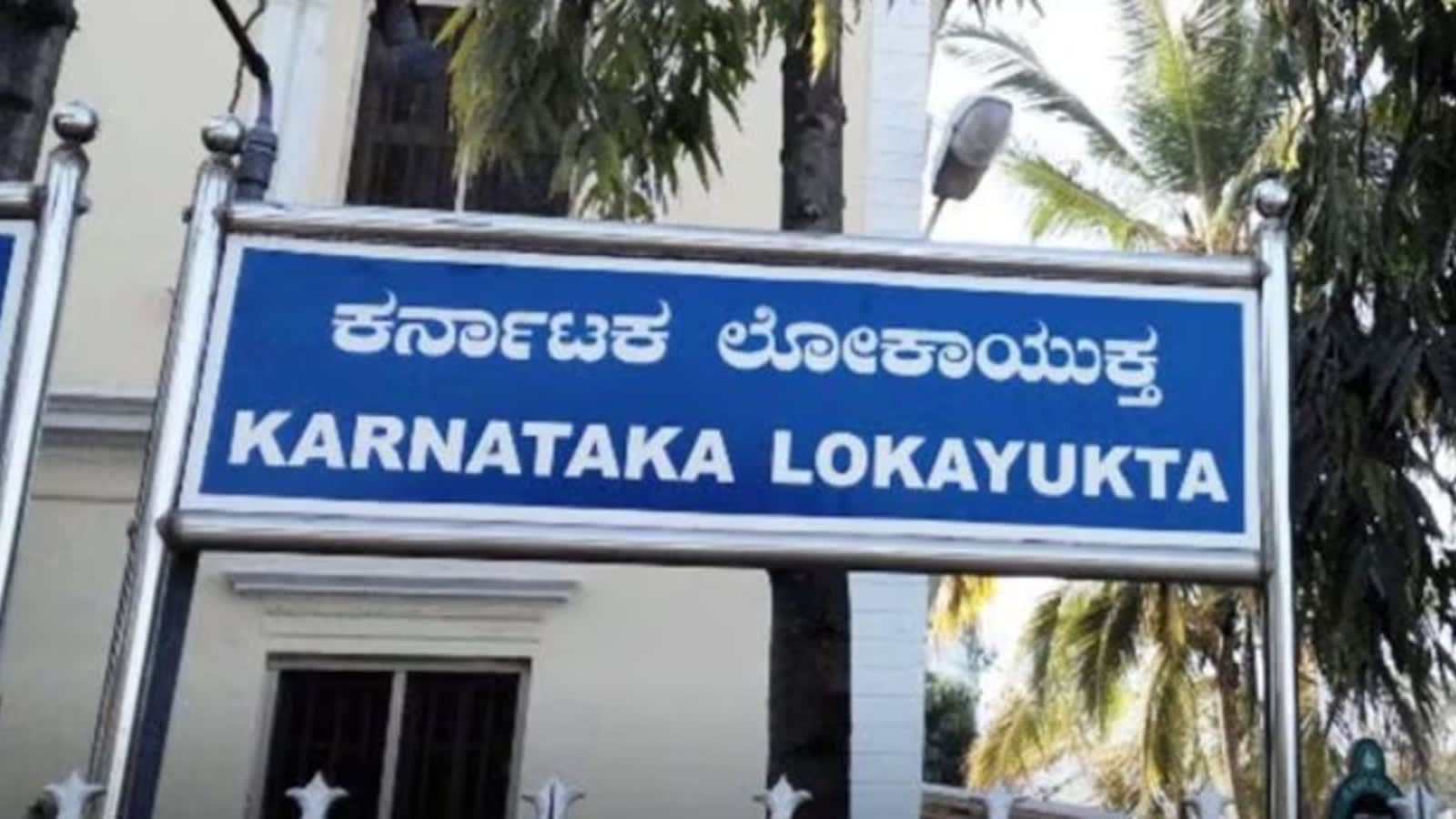
The Karnataka Lokayukta has initiated a high-level probe into the state's Public Distribution System following the discovery of widespread irregularities. A newly formed committee is tasked with recommending systemic reforms by August 20 to address lapses in commodity storage and distribution.
Karnataka Lokayukta Targets PDS Reform
The Karnataka Lokayukta has taken a decisive step toward transparency by forming a high-level committee to overhaul the state's Public Distribution System (PDS). This intervention follows a formal suo motu inquiry that uncovered systemic failures in how essential food grains are managed and delivered to the public. By prioritizing institutional reform, the Lokayukta aims to move beyond mere punitive measures and address the root causes of corruption within the supply chain.
Uncovering Systemic Irregularities
The investigative process involved rigorous field inspections across the state, specifically targeting wholesale depots managed by the Karnataka Food and Civil Supplies Corporation Limited (KFCSCL) and godowns operated by the Taluk Agricultural Produce Co-operative Marketing Society (TAPCMS). These inspections were not merely routine checks; they were prompted by evidence suggesting that the state's welfare infrastructure was being compromised. The findings highlighted consistent administrative lapses and irregularities in the storage and distribution of essential commodities, which directly impact the food security of vulnerable populations.
The Mandate for Reform
Tasked with a strict deadline of August 20, the newly formed committee is expected to deliver a comprehensive roadmap for reform. The Lokayukta’s decision to summon the principal stakeholders underscores the gravity of the situation. By forcing accountability at the highest administrative levels, the body intends to ensure that the findings are not buried in bureaucracy but are translated into actionable policy changes that prevent future misappropriation of resources.
Broader Implications for Welfare Delivery
The PDS is a critical lifeline for millions of citizens, and any disruption in its operations threatens the efficacy of India's welfare state. The irregularities identified by the Lokayukta suggest a failure in the oversight mechanisms that are supposed to guard against the diversion of subsidized goods. If the committee succeeds in its recommendations, it could set a precedent for how other states manage their distribution networks, potentially leading to the adoption of more digitized, transparent, and audited supply chain models.
Historical Context and Future Outlook
This move by the Karnataka Lokayukta reflects a growing trend of judicial and quasi-judicial bodies taking an active role in administrative governance. In the context of India's public service delivery, corruption in the PDS has historically been a significant hurdle. By addressing these lapses through a systemic lens, the Lokayukta is attempting to build a more resilient framework that can withstand the pressures of local-level mismanagement. The outcome of the August 20 report will be a litmus test for the state's commitment to cleaning up its distribution apparatus and restoring public trust in the PDS.