Active collaboration between public, private sectors a must for the success of PM-SETU scheme: M.B. Patil
Source Entity
India Latest News: Top National Headlines Today & Breaking News | The Hindu
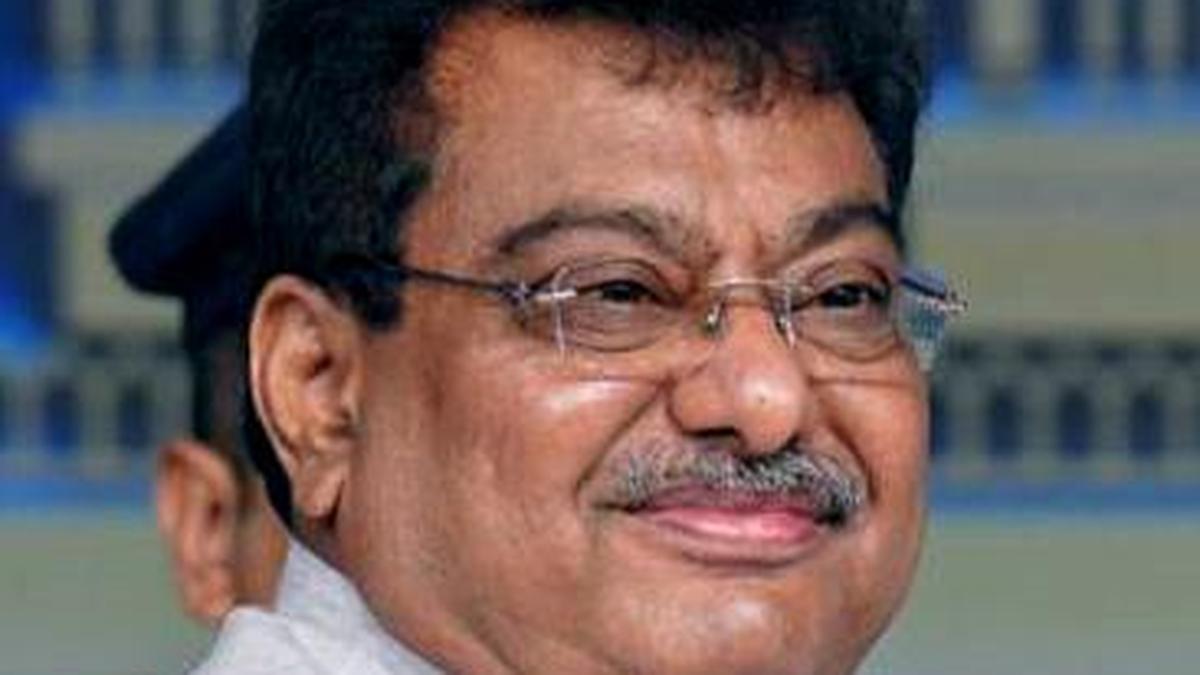
Karnataka Minister M.B. Patil is pushing for public-private partnerships to modernize 48 state ITIs under the national PM-SETU scheme. The initiative seeks to align vocational training with industry requirements to boost employability.
Bridging the Skill Gap: The PM-SETU Initiative in Karnataka
A New Paradigm for Vocational Training
The recent call by Karnataka’s Large and Medium Industries Minister, M.B. Patil, for active collaboration between the public and private sectors marks a pivotal shift in how the state approaches vocational education. By focusing on the PM-SETU (Pradhan Mantri Skilling and Employability Transformation through Upgraded ITIs) scheme, the government is signaling a move away from traditional, outdated training models toward a more dynamic, industry-responsive framework. This strategy aims to leverage the expertise and resources of private enterprises to revitalize the 48 Industrial Training Institutes (ITIs) earmarked for modernization within the state.
The Strategic Role of PM-SETU
The PM-SETU scheme is a massive ₹60,000 crore national project designed to transform 1,000 ITIs across India into centers of excellence. This modernization is not merely about updating infrastructure but about fundamentally changing the curriculum and training methodologies to meet contemporary industrial standards. By inviting private sector players to participate, the government hopes to create a pipeline of talent that is ready to hit the ground running, thereby addressing the persistent gap between academic preparation and industry expectations.
Leveraging Private Sector Integration
Minister Sharan Prakash Patil has highlighted a crucial opportunity: the adoption of existing government ITIs by private industries. With 270 government ITIs currently operating in Karnataka, the potential for a symbiotic relationship is immense. If industries take the initiative to adopt these institutions, they gain a tailored workforce, while the institutions benefit from the latest technological inputs and mentorship from industry veterans. This collaborative model ensures that the training provided remains relevant to the evolving needs of the manufacturing and services sectors.
Economic Implications and Workforce Development
The broader implication of this initiative is a significant boost to the employability of Karnataka's youth. By synchronizing the goals of educational institutions with the needs of the industrial sector, the government is effectively reducing the time and capital businesses currently spend on retraining new hires. This alignment is essential for maintaining the state's competitive edge, particularly as industries transition toward more automated and technologically sophisticated production processes.
Future Trends in Industrial Training
Looking ahead, the success of the PM-SETU implementation in Karnataka could serve as a blueprint for other states. The focus on industry-led skill centers represents a shift toward lifelong learning, where the boundary between the classroom and the factory floor becomes increasingly porous. As this model matures, we may see a rise in customized vocational tracks, where industry feedback loops directly influence institutional curriculum, ensuring that the skilled workforce remains agile in the face of global economic shifts.
Conclusion
The initiative championed by M.B. Patil is a proactive step toward systemic reform in vocational education. By inviting private sector investment and guidance into the public ITI system, Karnataka is positioning itself to better harness its demographic dividend. The success of this endeavor will hinge on the willingness of industries to commit to long-term partnerships and the government's ability to facilitate a seamless integration between policy, pedagogy, and practice.
Verification Required?