2 minor cousins’ underage pregnancies trigger Karnataka Pocso probe
Source Entity
The Indian Express
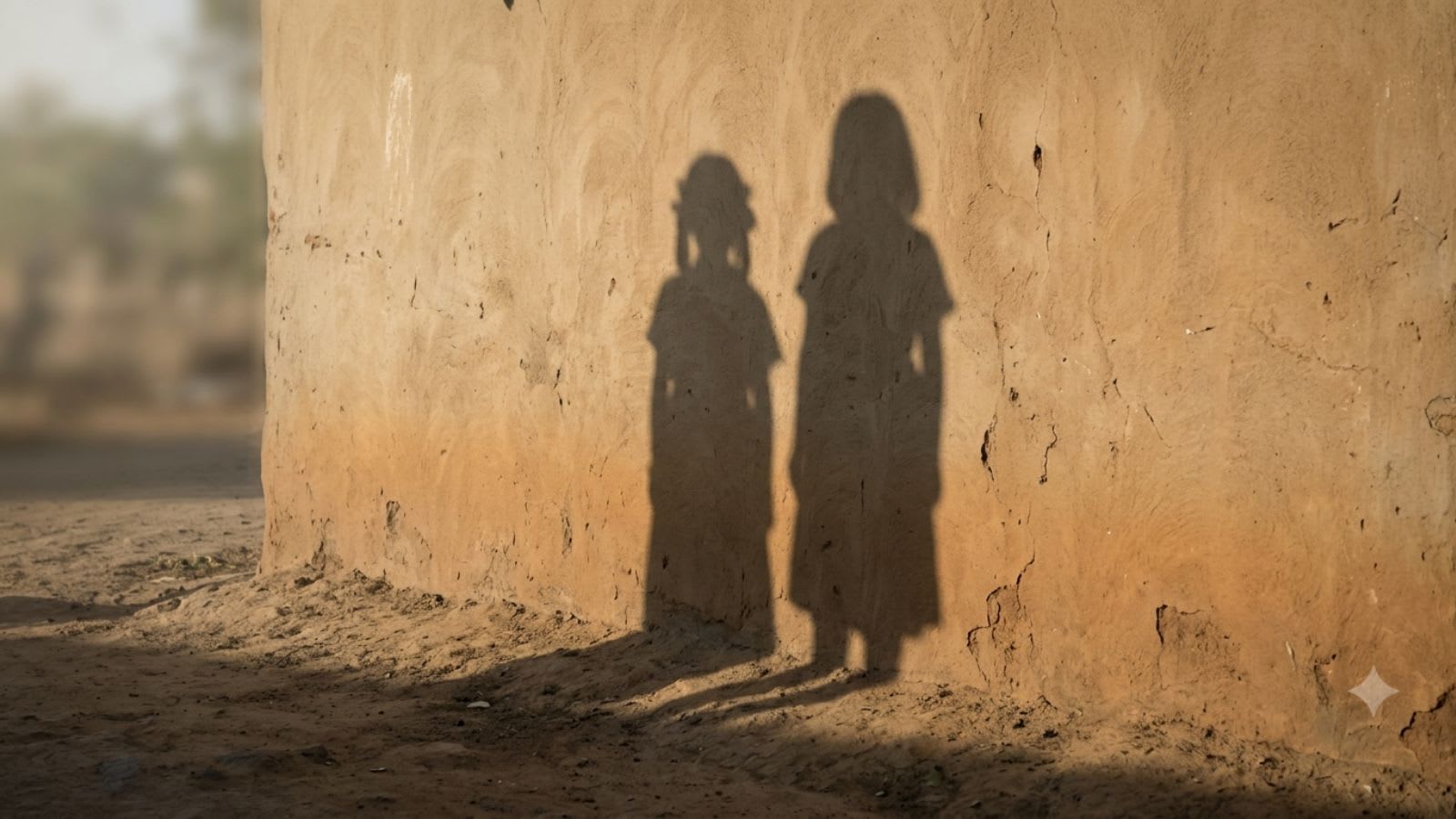
Karnataka police have launched a POCSO investigation after two minor cousins from the same family in Hubballi-Dharwad became pregnant. The probe follows separate, disturbing incidents involving a 15-year-old and a 14-year-old.
Karnataka POCSO Investigation: A Crisis of Minor Safety
The Hubballi-Dharwad region of Karnataka is currently the site of a deeply troubling investigation involving the sexual abuse of two minor cousins. Police Commissioner N Shashikumar has confirmed that the authorities have initiated a formal probe under the Protection of Children from Sexual Offences (POCSO) Act. This investigation follows the discovery of underage pregnancies within the same family, a development that has sent shockwaves through the local community and raised urgent questions regarding child protection mechanisms.
The Sequence of Alarming Events
The gravity of the situation became apparent following two distinct, harrowing incidents. A 15-year-old girl, who had previously delivered a child within the last year, has now conceived for a second time. This case was compounded by a separate report involving her 14-year-old cousin, who reportedly delivered a baby at home under highly suspicious circumstances. The proximity of these events, as confirmed by official police statements, has necessitated a comprehensive and coordinated legal response to identify the perpetrators and ensure the welfare of the survivors.
The Legal Framework: Why POCSO Matters
The POCSO Act is designed to provide a specialized legal framework for the protection of children from sexual assault and harassment. By invoking this act, the Hubballi-Dharwad police are signaling the severity with which they are treating these cases. The involvement of minors in pregnancy cases is not merely a matter of health; it is a clear indicator of systemic failure to protect vulnerable individuals from predatory behavior. The legal process will now focus on forensic evidence, victim testimony, and the identification of the individuals responsible for these crimes.
Broader Societal Implications
These incidents highlight the persistent challenges in rural and semi-urban districts regarding the enforcement of child rights. When such cases occur within the same family, it often suggests a breakdown in familial oversight and a potential cultural barrier to reporting abuse early. The fact that one victim had already experienced a pregnancy prior to this current incident underscores a critical gap in social services and community intervention programs that should have been triggered during the first occurrence.
Future Trends and Necessary Interventions
Moving forward, the investigation must prioritize the rehabilitation of the survivors, who are at a critical stage of physical and psychological development. From a policy perspective, this case serves as a grim reminder that law enforcement agencies require stronger partnerships with local health workers and NGOs to identify 'at-risk' households before such tragedies unfold. The success of this investigation will likely set a precedent for how future cases of multiple minor pregnancies within singular family units are handled, emphasizing the need for proactive surveillance and protective custody where necessary.
Conclusion
As the Hubballi-Dharwad police continue their inquiry into these disturbing events, the primary focus remains on securing justice for the two minors involved. While the legal machinery is now in motion, the broader societal challenge remains to build a more robust safety net for children to prevent such systemic failures from recurring. The outcome of this case will be a significant barometer for the efficacy of child protection laws in the region.
Multiple Citing Sources