Two years on, Karnataka beekeepers continue to face threat from small hive beetle
Source Entity
India Latest News: Top National Headlines Today & Breaking News | The Hindu
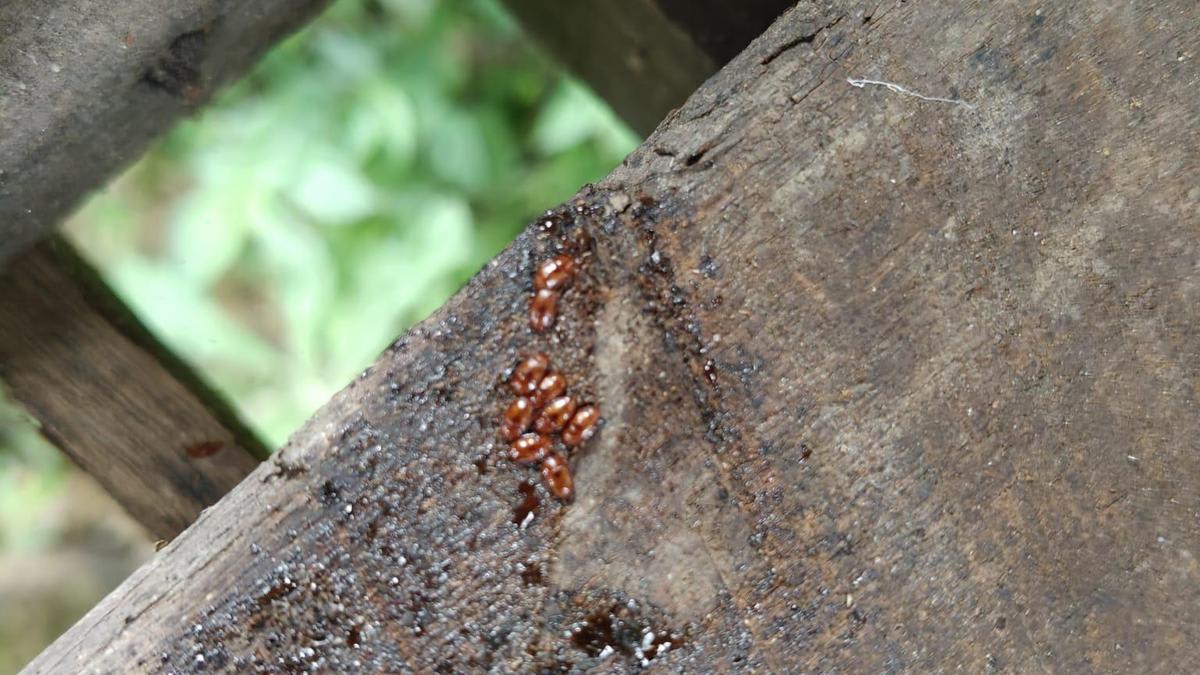
Karnataka's apiculture industry is struggling with a persistent infestation of the invasive small hive beetle. Researchers at UAS-B report significant colony losses, highlighting a critical threat to local honey production and bee health.
The Silent Crisis: Karnataka's Battle with the Small Hive Beetle
Two years into a devastating infestation, the apiculture industry in Karnataka remains under siege by the small hive beetle. This invasive scavenger has proven to be a formidable adversary, systematically targeting honey bee colonies, their honey stores, and pollen reserves. The persistence of this threat, despite two years of observation and study, underscores a growing vulnerability in regional agricultural practices and the urgent need for a robust intervention strategy.
The Scale of Destruction
Recent data from the University of Agricultural Sciences Bangalore (UAS-B) paints a grim picture of the current situation. In a startlingly short window of just 25 days, approximately 800 honey bee colonies were completely decimated by these beetles. This rapid rate of destruction highlights the aggressive nature of the pest, which does not merely feed on the honey but compromises the structural integrity and health of the entire hive, leading to total colony collapse.
Scientific Assessment and Identification
Researchers and professors at the UAS-B, specifically within the GKVK campus, have meticulously identified the small hive beetle as a highly destructive invasive species. Under the leadership of K.T. Vijayakumar, the Principal Investigator and head of the Department of Apiculture, the scientific community has been documenting how these beetles infiltrate hives to scavenge resources. Their research confirms that the presence of these beetles has doubled over the last two to three years, suggesting that the ecological conditions in Karnataka's apiculture farms are currently highly conducive to the beetle's proliferation.
Broader Agricultural Implications
Beyond the immediate loss of 800 colonies, the infestation poses a severe threat to the broader agricultural ecosystem. Honey bees are essential pollinators for various crops; a decline in their population directly impacts agricultural yields and biodiversity. The inability to curb this scavenger's spread threatens the livelihoods of local beekeepers and could lead to long-term instability in the regional apiculture sector. If left unmanaged, the economic fallout could extend to farmers who rely on these bees for the pollination of their commercial crops.
The Search for Sustainable Solutions
Despite the clear identification of the threat by experts at UAS-B, a definitive solution remains elusive. The persistence of the problem after two years indicates that standard pest control methods may be insufficient or that the beetle has developed adaptive behaviors that defy traditional management. Ongoing research is critical to developing integrated pest management strategies that protect the bees without introducing harmful chemicals into the honey production cycle.
Looking Ahead: Future Trends
As the infestation continues to intensify, the future of Karnataka’s bee population depends on the rapid development of effective mitigation techniques. Future efforts must focus on early detection, habitat modification, and perhaps the introduction of biological controls that specifically target the beetle without harming the hive inhabitants. Without a breakthrough, the industry faces a potential decline that could reshape agricultural practices in the state for years to come.
Verification Required?