November skywatching guide: Which meteor showers can Americans see?
Source Entity
Latest News: Todays Latest News Headlines from India & World | Hindustan Times | Hindustan Times
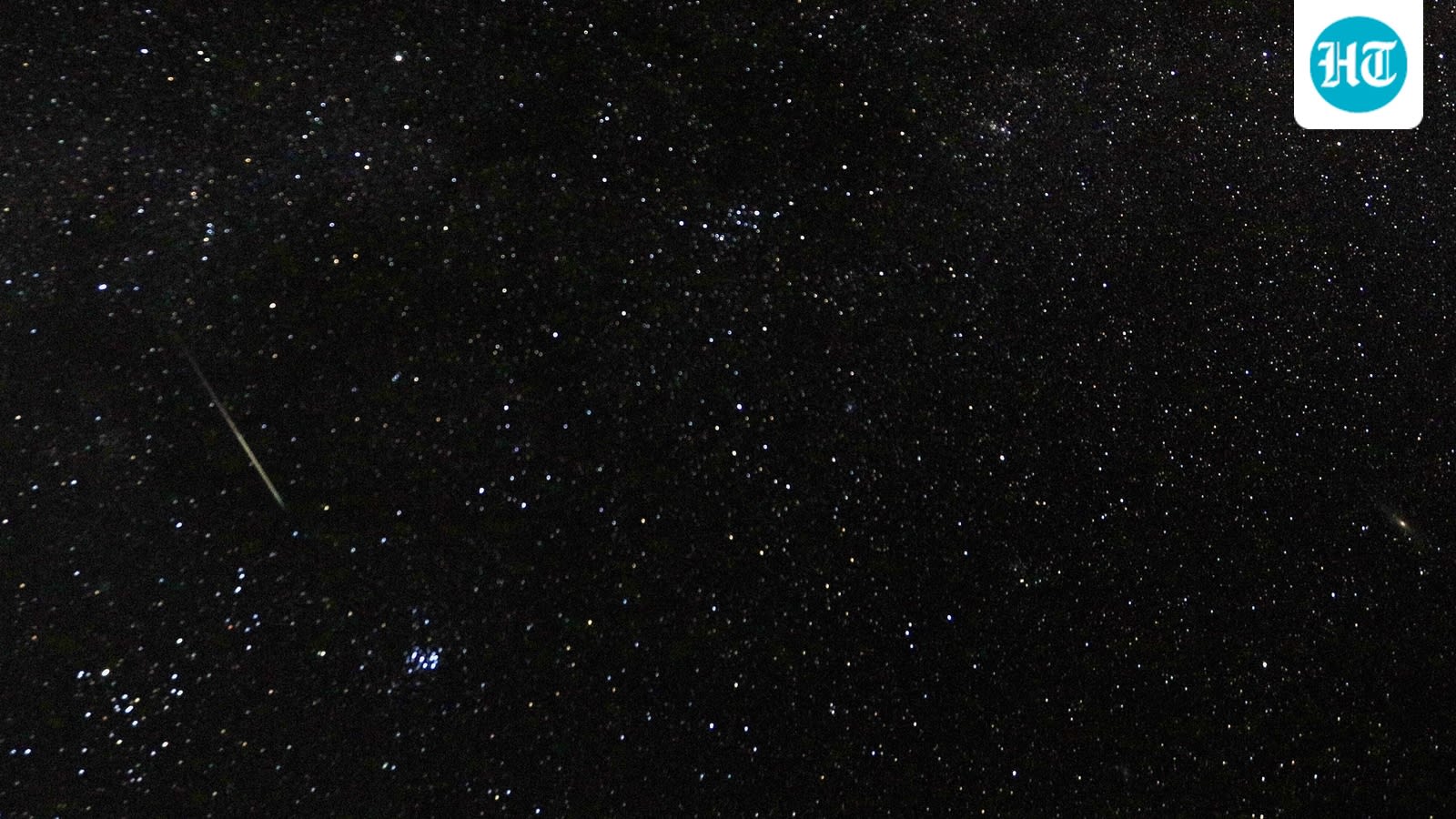
November features significant celestial activity, including the Taurid and Leonid meteor showers for US observers. These events coincide with shifting astrological seasons, marking a period of transition from Scorpio to Sagittarius.
The Celestial Rhythms of November
November serves as a pivotal month for skywatchers across the United States, offering a prime window to witness the intersection of astronomical phenomena and seasonal transitions. As the nights grow longer and the atmosphere clears in many regions, the arrival of the Taurid and Leonid meteor showers provides a consistent rhythm for amateur astronomers and casual observers alike. These showers, characterized by the appearance of 'shooting stars' caused by Earth passing through debris fields left by comets, are annual highlights that punctuate the late autumn sky.
Meteor Showers and Their Origins
The Taurid meteor shower, often noted for its occasional 'fireballs,' and the more prolific Leonids represent the primary celestial displays for North American viewers this month. While these events are dictated by the gravitational interactions and orbital paths of cometary remnants, they serve as a bridge between scientific observation and cultural interest. The recent report from Chennai regarding the Geminids—which peaked with an impressive density of 80 to 100 meteors per hour—underscores the global fascination with these events, highlighting how meteor activity can captivate audiences worldwide regardless of geography.
The Intersection of Astronomy and Astrology
Beyond the raw physical data of meteor trajectories, November holds deep significance for those who follow Western astrology. The movement of celestial bodies is frequently interpreted as a reflection of earthly cycles, and the current month is no exception. As we transition through the latter portion of the year, the calendar moves from the intense, transformative energy associated with the Scorpio season toward the expansive and adventurous spirit of the Sagittarius season. This shift provides a thematic backdrop to the physical changes occurring in the night sky.
Navigating Seasonal Transitions
According to The Old Farmer’s Almanac, the influence of Scorpio season has been active since October 23, setting a tone of introspection that often precedes the winter solstice. When celestial events like meteor showers occur during these specific astrological windows, enthusiasts often find a heightened sense of connection between the macro-cosmic movements above and the micro-cosmic personal experiences below. This synthesis of astronomical observation and astrological tradition remains a core component of the public's engagement with the night sky.
Future Trends in Skywatching
As interest in space phenomena continues to grow, the ability to predict and track these meteor showers becomes increasingly accessible to the general public. Future trends suggest that digital tools and community-based reporting will continue to enhance the skywatching experience, allowing for more precise viewing windows. As the year winds down, the combination of predictable meteor activity and the symbolic shifts in the zodiac ensures that November will remain a month of contemplation and wonder for observers across the United States.
Verification Required?