ISRO to launch navigation satellite NVS-03 on Friday
Source Entity
The Indian Express
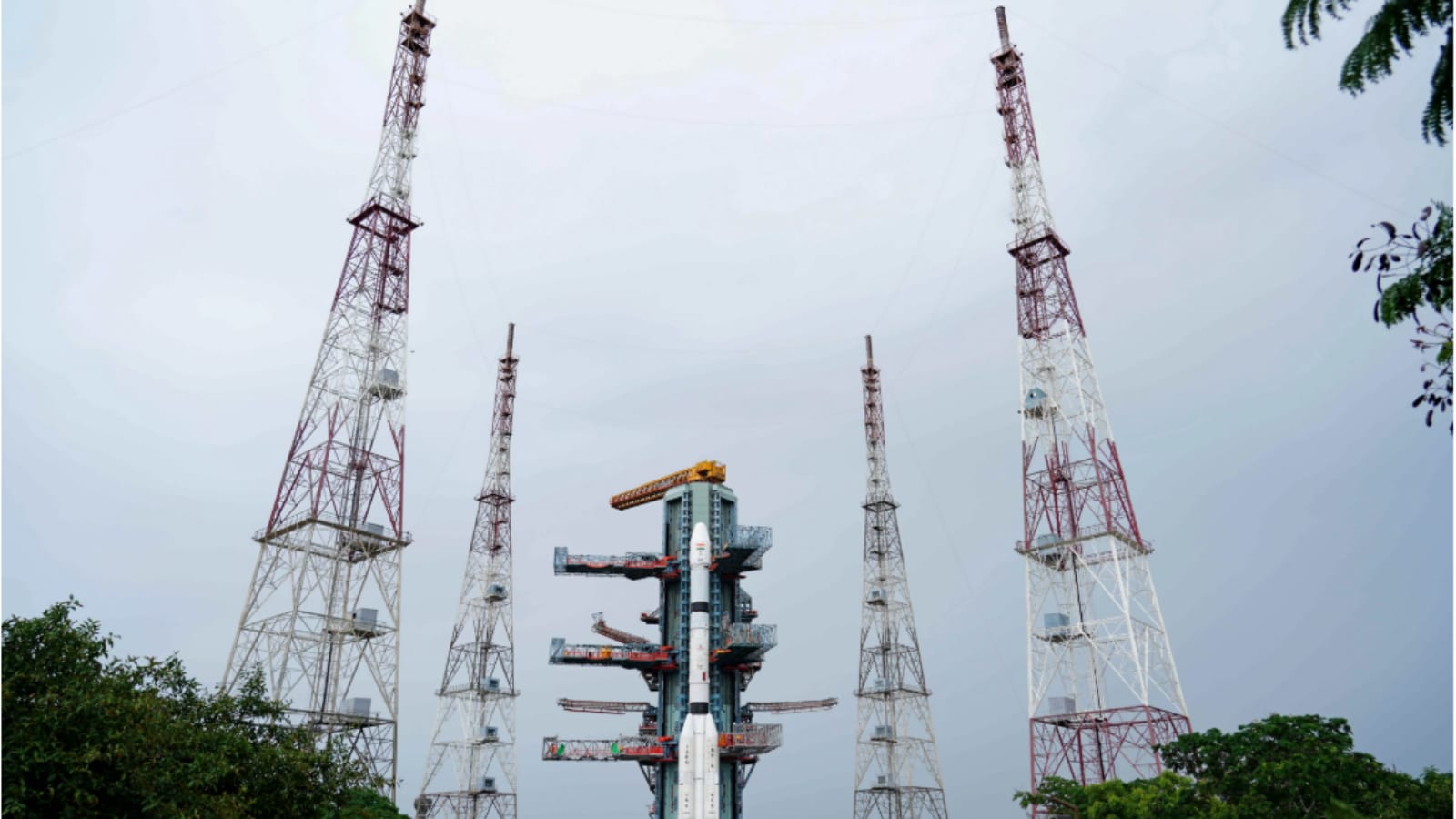
ISRO is set to launch the NVS-03 navigation satellite on October 30 via the GSLV-F18 vehicle from Sriharikota. This mission bolsters India's NavIC constellation by providing enhanced L1, L5, and S-band signal coverage.
Strengthening India’s Navigational Sovereignty: The NVS-03 Mission
The Indian Space Research Organisation (ISRO) is poised for a significant milestone in its regional navigation capabilities with the upcoming launch of the NVS-03 satellite. Scheduled for liftoff on October 30 at 11:51 p.m. from the Satish Dhawan Space Centre in Sriharikota, this mission utilizes the Geosynchronous Satellite Launch Vehicle (GSLV-F18) to deploy the satellite into a Geosynchronous Transfer Orbit. This launch represents a critical step in maintaining the operational continuity of the Indian Regional Navigation Satellite System (IRNSS), commonly known as NavIC.
The Evolution of NavIC
NavIC is India’s indigenous alternative to global navigation systems like GPS. By providing highly accurate positioning and timing services, it serves as a strategic asset for both civilian and defense applications. The NVS-03 serves as the third iteration in the next-generation series, specifically designed to replace and augment the older satellites in the constellation. As these satellites age, the deployment of new units like NVS-03 ensures that India’s landmass and the surrounding 1,500 km region continue to receive reliable, high-precision signals.
Technical Advancements in NVS-03
One of the most notable features of the NVS-03 is its sophisticated payload architecture. Weighing approximately 2,250 kg, the satellite is equipped with both procured and indigenous atomic clocks. The inclusion of an indigenous atomic clock is a major leap toward technological self-reliance, as timing accuracy is the cornerstone of satellite navigation. Furthermore, the satellite introduces the L1 signal band, which complements the existing L5 and S-band signals, providing more robust and versatile connectivity for various user devices.
Strategic Implications of Signal Coverage
The expansion of signal coverage, particularly with the addition of the L1 band, enhances the interoperability of NavIC with global navigation systems. This is vital for modern transport logistics, disaster management, and fleet tracking, where precision timing is non-negotiable. By covering the entire Indian landmass and extending significantly into the surrounding territory, the NVS-03 reinforces India’s ability to provide localized, dependable navigation services independent of foreign constellations.
The Role of GSLV-F18
The GSLV-F18 vehicle acts as the reliable workhorse for this mission. Having been successfully mounted and readied at the spaceport, the vehicle is tasked with the precise orbital injection required for a geosynchronous mission. The success of this launch is not just about placing a satellite in orbit; it is a demonstration of ISRO’s continued mastery over complex heavy-lift launch operations and its commitment to upgrading the space-based infrastructure that powers India’s digital economy.
Future Outlook for Indian Navigation
Looking ahead, the successful deployment of NVS-03 will pave the way for a more resilient NavIC constellation. As ISRO continues to iterate on its navigation technology, we can expect further improvements in signal penetration, accuracy, and civilian device integration. The transition to this next-generation series ensures that India’s regional navigation capabilities remain on par with global standards, supporting everything from maritime navigation to the growing needs of the smartphone and IoT industries.