In Kashmir’s traditional rice, clues to a journey from East Asia
Source Entity
India Latest News: Top National Headlines Today & Breaking News | The Hindu
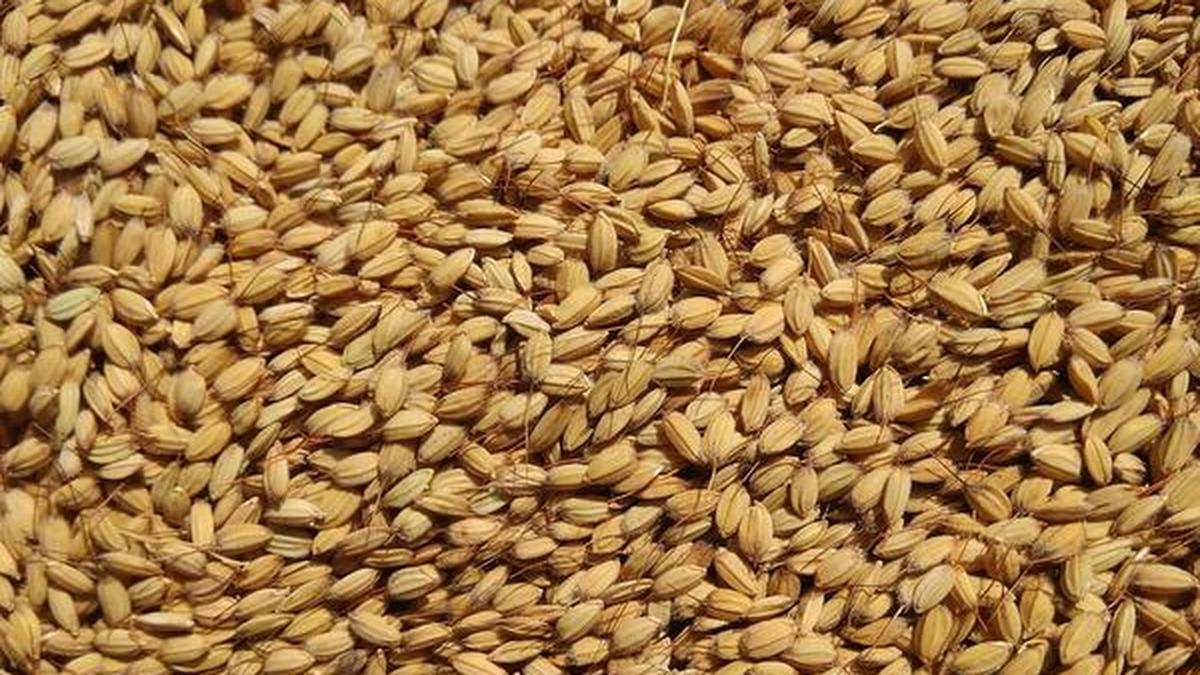
Researchers at SKUAST-Kashmir have discovered that traditional Kashmiri rice varieties share a unique genetic lineage with crops from Northeast China and the Korean Peninsula. These findings highlight the potential of these locally adapted, cold-tolerant genes to bolster global food security against climate change.
Unlocking the Genetic Heritage of Kashmiri Rice
Recent research conducted by the Sher-e-Kashmir University of Agricultural Sciences and Technology (SKUAST-Kashmir) has shed new light on the agricultural history of the Kashmir valley. By analyzing traditional rice varieties, scientists have uncovered a fascinating genetic link between these local crops and those originating from the Korean Peninsula and Northeast China. This discovery provides a deeper understanding of historical agricultural migration patterns and the movement of crops across the Asian continent.
The Resilience of Traditional Varieties
The study, published in The Plant Genome, emphasizes that these indigenous rice strains possess significant genetic advantages that have been diminished in many modern, high-yield commercial varieties. Specifically, the Kashmiri varieties have retained robust cold-tolerance and other adaptive traits necessary for survival in high-altitude, variable climates. As global agriculture faces increasing pressure from climate change, these heirloom traits are becoming increasingly vital for crop scientists.
Implications for Global Food Security
The loss of genetic diversity in commercial rice monocultures has long been a concern for food security experts. Modern agriculture often prioritizes yield over resilience, leaving global food supplies vulnerable to extreme weather events. By identifying the specific genes responsible for cold-tolerance in Kashmiri rice, researchers can potentially integrate these traits into contemporary breeding programs, creating hardier crops capable of thriving in changing environmental conditions.
A Historical Perspective on Crop Migration
The genetic affinity between Kashmiri rice and varieties found in Northeast China and the Korean Peninsula suggests ancient trade routes or cultural exchanges that facilitated the movement of agricultural biodiversity. This historical context illustrates how early farmers played a crucial role in adapting crops to new environments, effectively acting as the first selective breeders. These traditional varieties represent a living archive of human agricultural ingenuity.
Future Trends in Agricultural Biotechnology
As climate change continues to alter growing seasons and temperature gradients globally, the focus of agricultural biotechnology is shifting toward climate-resilient traits. The findings from SKUAST-Kashmir underscore the importance of preserving 'landrace' or traditional crop varieties. Future research will likely focus on mapping these specific genes to ensure that the unique, locally adapted traits found in Kashmir are protected and utilized to secure future food stability.
Conclusion
The research conducted at SKUAST-Kashmir is a significant step forward in both evolutionary botany and practical agricultural science. By bridging the gap between ancient genetic lineages and modern climate challenges, these findings highlight the necessity of protecting indigenous crops. Moving forward, the integration of these resilient genes into global supply chains could prove essential in mitigating the impacts of a warming planet.
Verification Required?