In 1979, 30 mongooses were released on Amami Oshima to control habu; numbers topped 30,000 before Japan declared eradication in 2024
Source Entity
Latest News: Todays Latest News Headlines from India & World | Hindustan Times | Hindustan Times
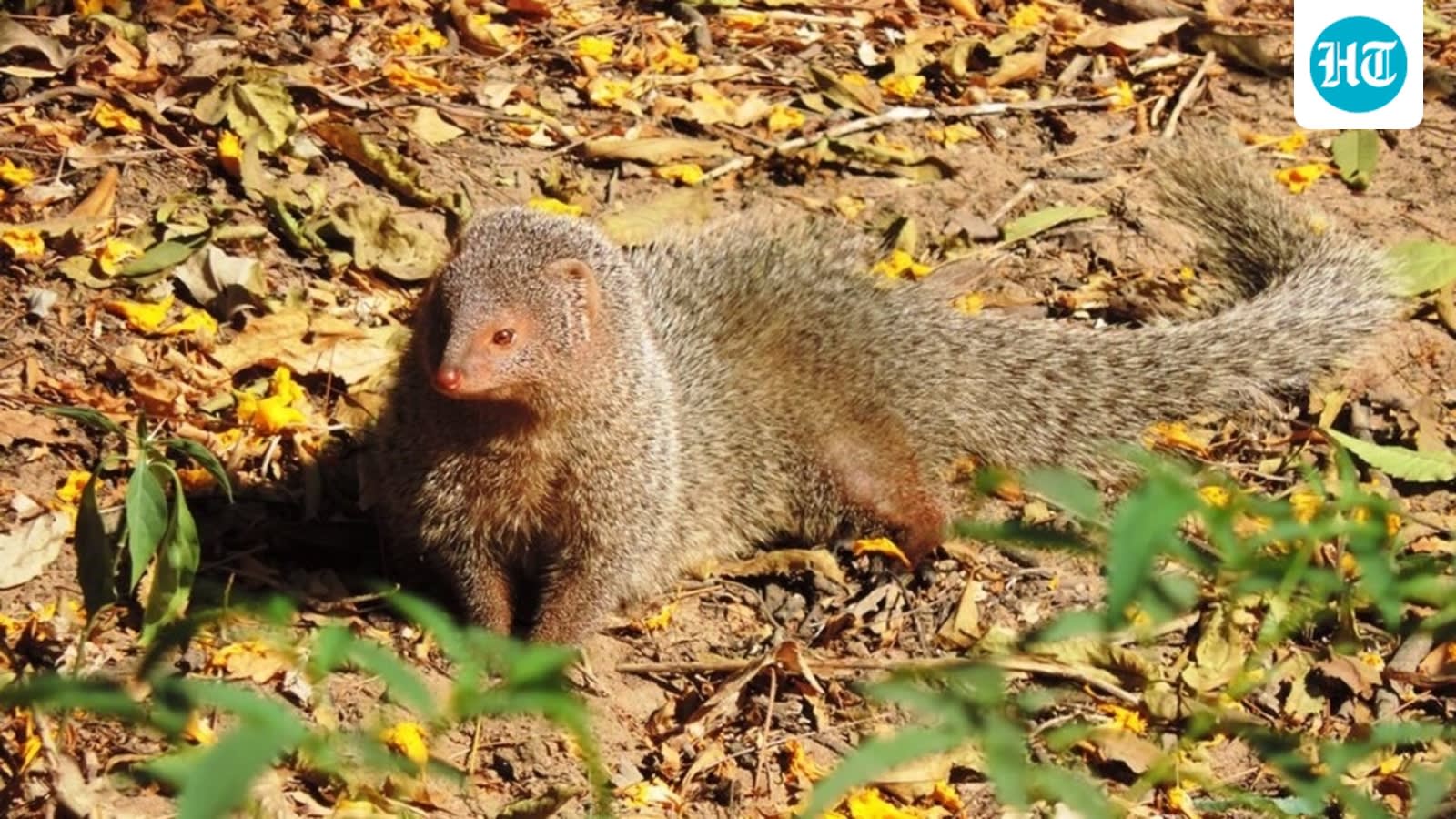
Japan has officially declared the eradication of the invasive small Indian mongoose on Amami Oshima island. Introduced in 1979 to control venomous habu snakes, the species became a major threat to native biodiversity before a decades-long removal effort succeeded in 2024.
The Ecological Legacy of Amami Oshima’s Mongoose Eradication
In 1979, the island of Amami Oshima became the site of a well-intentioned but ecologically disastrous experiment. To mitigate the threat posed by the native habu viper, the Japanese Ministry of the Environment oversaw the introduction of approximately 30 small Indian mongooses, sourced from Okinawa. While the initiative was framed as a protective measure for human residents, the lack of natural predators for the mongoose allowed the population to explode, reaching an estimated 10,000 individuals by the year 2000 and eventually ballooning to over 30,000.
The Failure of Biological Control
The introduction of the small Indian mongoose serves as a textbook example of the dangers of biological control. Instead of focusing exclusively on the habu vipers, the mongooses turned their attention to the island’s unique endemic wildlife, which had evolved in isolation and lacked defensive mechanisms against such an aggressive predator. This shift disrupted the delicate ecological balance of Amami Oshima, forcing conservationists to pivot from a policy of introduction to one of intense, long-term removal.
The Campaign for Restoration
The eradication process, which culminated in a successful declaration in 2024, was a massive logistical undertaking. It required an island-wide strategy that moved beyond simple hunting to include sophisticated tracking and removal techniques. Authorities utilized a combination of traps, motion-activated cameras, and specially trained detection dogs to pinpoint the remaining mongoose populations. This persistent pressure over several decades was essential to ensuring that the invasive species did not rebound once their numbers were thinned.
Challenges in Monitoring and Success
One of the most significant aspects of this project was the transition from active culling to long-term monitoring. After the population was significantly reduced, the final stages of the eradication project focused on detecting the 'last individuals.' This is often the most difficult phase of any invasive species removal program, as the remaining animals are typically elusive and inhabit the most remote parts of the island’s forested landscape.
Broader Implications for Island Conservation
This success story offers critical lessons for global conservation efforts. It highlights the inherent risks of introducing non-native species into island ecosystems, which are often highly susceptible to biological invasions. The Amami Oshima case reinforces the necessity of exhaustive ecological impact assessments before attempting to intervene in natural predator-prey dynamics, even when the goal is to solve a public health or safety issue.
Future Trends in Biodiversity Management
Looking ahead, the eradication of the mongoose on Amami Oshima provides a blueprint for future island restoration projects. As climate change and human activity continue to put pressure on island biodiversity, the integration of technology—such as remote sensing and advanced detection dogs—will likely become the standard for invasive species management. By officially declaring the island mongoose-free in 2024, Japan has set a precedent for how dedicated, science-led policy can reverse decades of environmental damage.
Verification Required?