In 2025, Florida sank a 227-foot derelict freighter nine miles off Martin County, turning an abandoned ship into the Boo McCulley artificial reef
Source Entity
Latest News: Todays Latest News Headlines from India & World | Hindustan Times | Hindustan Times
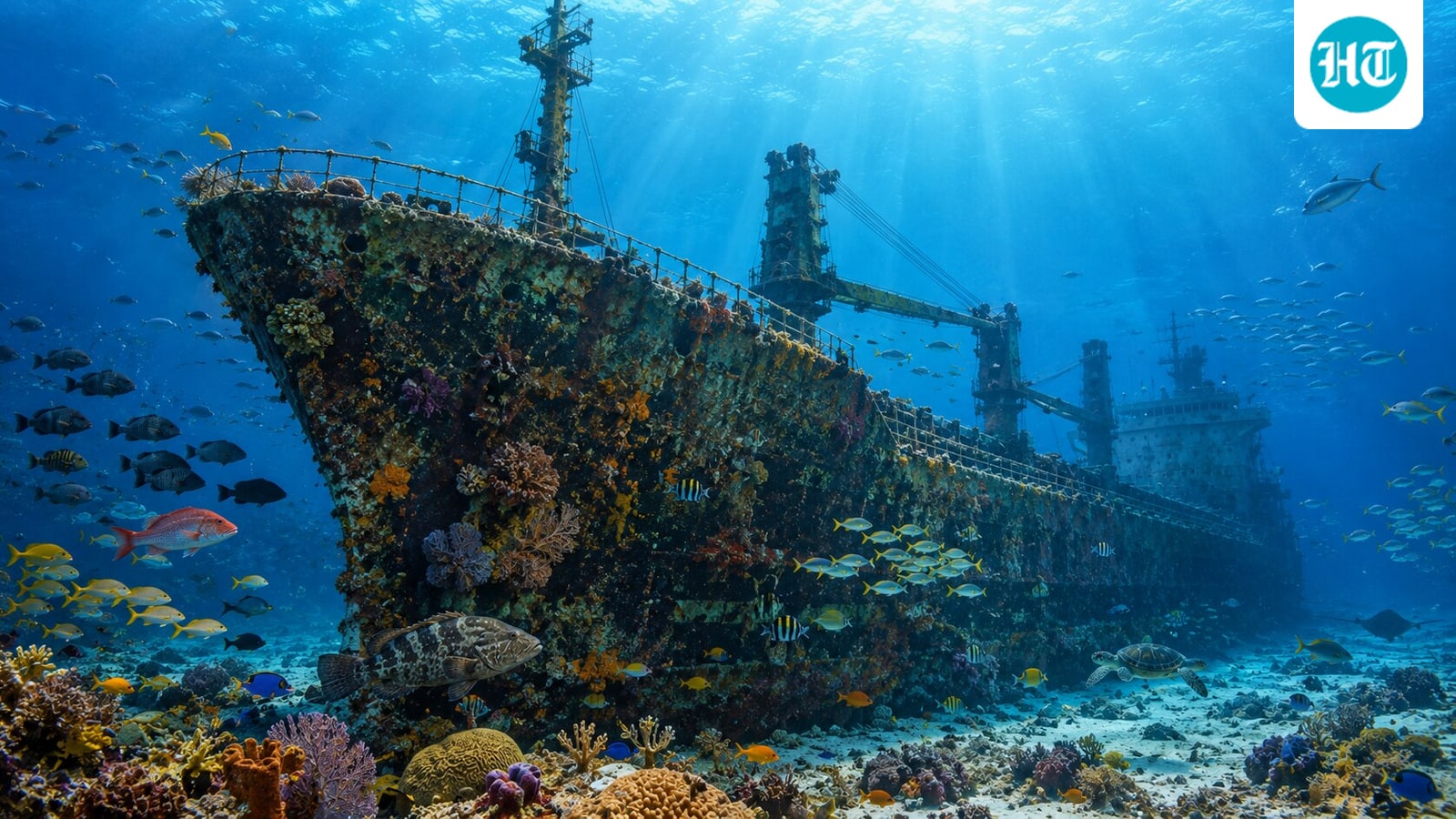
Florida has successfully repurposed a 227-foot derelict freighter into the Boo McCulley artificial reef to address environmental safety and disposal costs. The vessel was scuttled nine miles off the coast of Martin County, providing a cost-effective solution for state derelict vessel management.
Florida's Strategic Deployment of the Boo McCulley Reef
In a significant environmental and logistical operation conducted in 2025, Florida authorities successfully scuttled a 227-foot derelict freighter, known as the Borocho, to establish the Boo McCulley artificial reef. Positioned nine miles off the coast of Martin County, the vessel—which had been abandoned for a decade—now serves as a permanent underwater structure. This operation represents a sophisticated intersection of maritime waste management and marine habitat restoration.
Economic Efficiency in Maritime Disposal
The primary driver behind the decision to transform the Borocho into an artificial reef was fiscal pragmatism. State agencies determined that scuttling the vessel was significantly more cost-effective than traditional land-based disposal methods. By utilizing the Florida Legislature-funded derelict vessel program, officials were able to mitigate the high expenses associated with dismantling and disposing of large-scale maritime assets on land, effectively optimizing the state's limited environmental budget.
Addressing the Derelict Vessel Crisis
Beyond the immediate financial benefits, the project serves as a critical enforcement mechanism against the growing problem of abandoned ships. Under Florida law, maintaining a vessel in a derelict state is a criminal offense. Ships that are grounded, stripped of vital systems, or in the process of sinking pose severe risks to both human safety and the integrity of Florida’s sensitive natural resources. The Boo McCulley project underscores the state's proactive stance in removing these environmental hazards from navigable waters.
Engineering and Deployment
The actual sinking of the Borocho was an exercise in precision engineering. To ensure the vessel reached its intended location and settled correctly, crews performed controlled structural modifications, including cutting specific apertures into the hull to allow for rapid water intake. The process was remarkably efficient; the freighter transitioned from a surface vessel to a fully submerged structure approximately 200 feet below the surface in under an hour.
Future Implications for Marine Ecology
While the primary goal was the removal of a derelict hazard, the creation of the Boo McCulley reef is expected to have long-term positive implications for marine biodiversity. Artificial reefs often serve as catalysts for marine life colonization, providing substrate for corals and shelter for various fish species. By repurposing industrial waste into ecological infrastructure, Florida is setting a precedent for how coastal states can manage maritime abandonment while simultaneously enhancing marine ecosystems. This dual-purpose strategy likely signals a trend in future state-level environmental management projects.
Verification Required?