In a 10-month Hawaii experiment, scientists raised CO₂ to future levels; coralline algae covered 4% of acidified tanks versus 25% of controls
Source Entity
Latest News: Todays Latest News Headlines from India & World | Hindustan Times | Hindustan Times
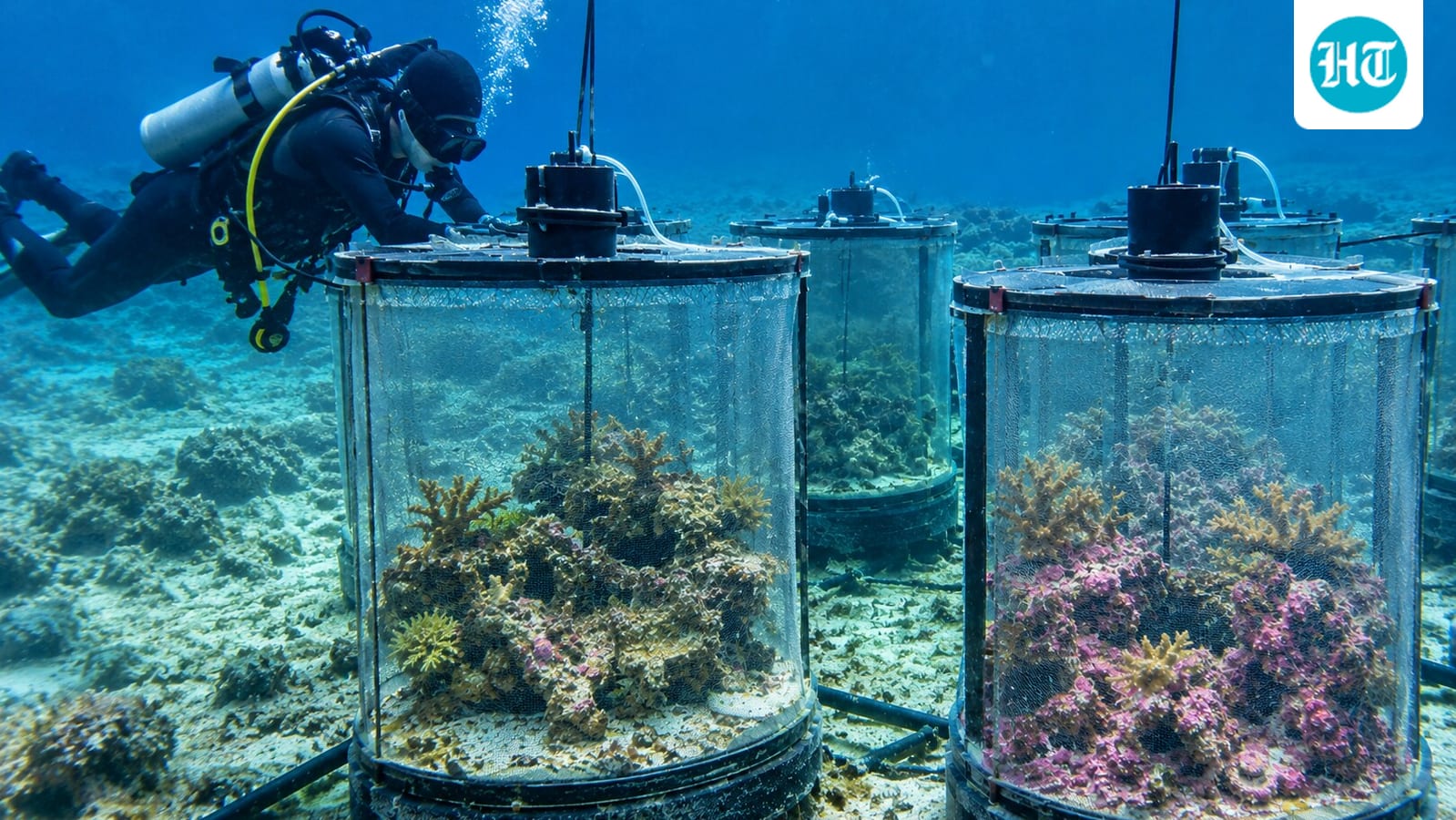
A 10-month Hawaii experiment reveals that elevated CO2 levels significantly reduce coralline algae growth. This loss threatens the structural integrity and stability of coral reefs facing future climate change.
The Impact of Acidification on Reef Stability
A recent 10-month study conducted at the Hawaii Institute of Marine Biology on Coconut Island has provided alarming evidence regarding the future of coral reef ecosystems. By utilizing continuous-flow mesocosms fed by unfiltered seawater from Kāneʻohe Bay, researchers were able to simulate the environmental conditions expected by the end of this century. The findings are stark: when exposed to elevated carbon dioxide (pCO₂) levels, coralline algae coverage plummeted from 25% in control tanks to a mere 4% in acidified experimental tanks.
The Critical Role of Coralline Algae
Coralline algae are not merely decorative elements of the marine landscape; they are foundational engineers of reef health. These calcifying organisms deposit calcium carbonate, which acts as a 'cement' for the reef, filling in gaps and providing the structural stability necessary for coral larvae to settle and thrive. The drastic reduction in coverage observed in this study suggests that ocean acidification will not only affect coral growth directly but will also compromise the very substrate upon which the entire reef ecosystem depends.
Experimental Design and Real-World Simulation
The robustness of this study lies in its methodology. By placing the mesocosms outdoors in full sunlight, the researchers ensured that the algae were subject to the natural, daily, and seasonal fluctuations in temperature and water chemistry found in Kāneʻohe Bay. By increasing the partial pressure of CO₂ by an average of 365 microatmospheres during midday, the team successfully mimicked the atmospheric changes predicted to occur globally if current emissions trends continue. This realistic approach provides a high degree of confidence in the study's conclusions.
Broader Implications for Marine Biodiversity
The loss of coralline algae has a cascading effect on marine biodiversity. As these organisms decline, the reef framework becomes more porous and susceptible to erosion from waves and bioeroding organisms. This creates a feedback loop where the reef's ability to recover from bleaching events or storm damage is severely hampered. Furthermore, the weakening of the reef structure threatens the myriad species that rely on the complex architecture of a healthy coral system for shelter, breeding, and foraging.
Future Trends and Scientific Outlook
Looking ahead, the findings from this U.S. Geological Survey-supported experiment highlight the urgent need for local and global mitigation strategies. As seawater chemistry continues to shift, the window for preserving the current state of reef ecosystems is narrowing. Future research must now focus on whether certain strains of coralline algae possess the resilience to adapt to these acidified conditions or if the decline is inevitable without significant intervention in carbon emission policies. This study serves as a critical baseline for understanding the biological costs of ocean acidification.
Verification Required?