Can Mumbai trust its official air data? An IIT scientist on what to check
Source Entity
Pratip Acharya
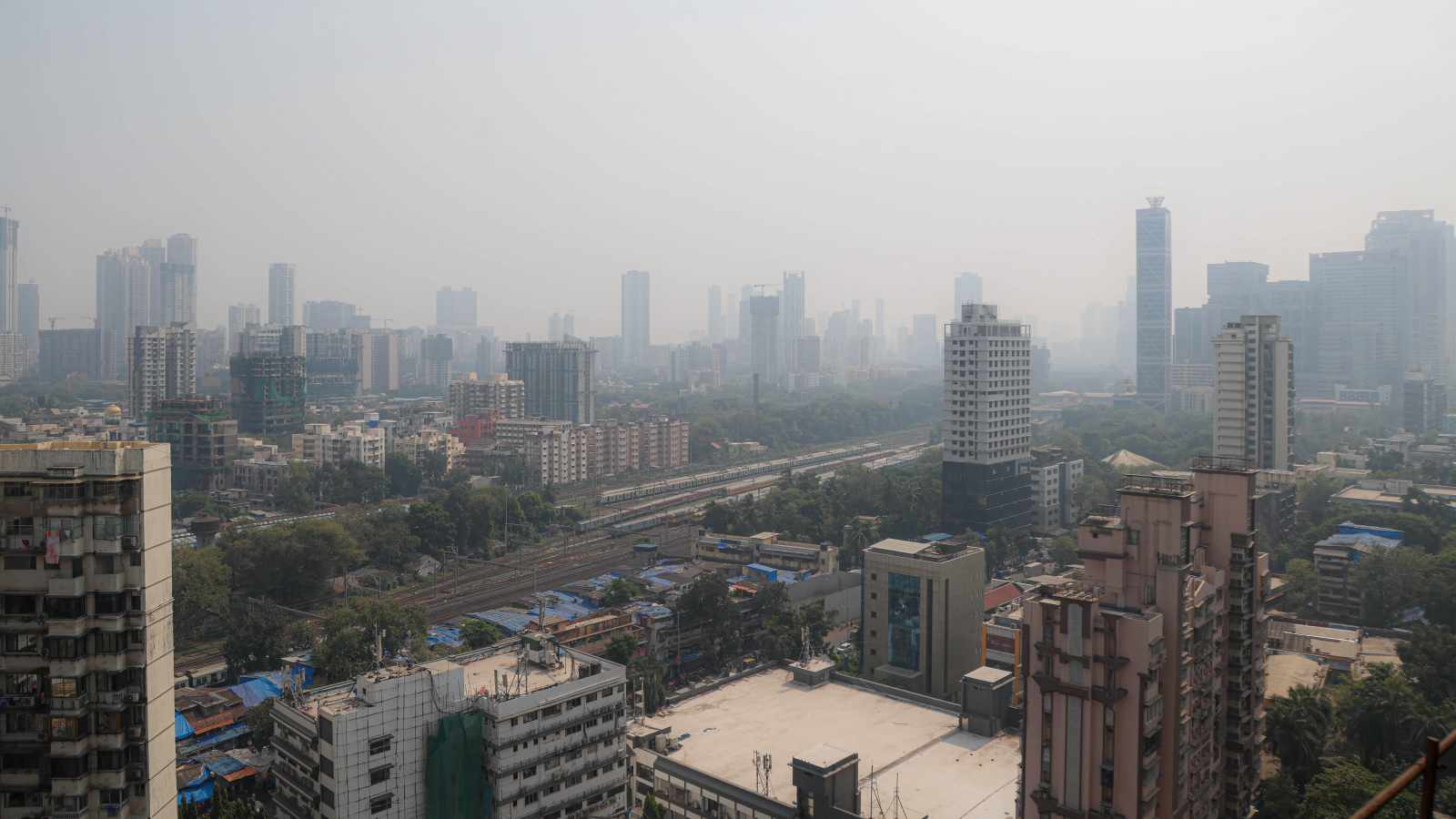
IIT Kanpur expert Professor Sachchida Nand Tripathi highlights that discrepancies between private and government AQI data in Mumbai stem from variations in sensor calibration, maintenance, and local microenvironments. He emphasizes that both networks may capture different pollution realities rather than reflecting systematic errors.
Understanding the Discrepancy in Mumbai's Air Quality Data
Recent discourse surrounding Mumbai’s air quality has brought to light a significant challenge in environmental monitoring: the stark difference between government-reported Air Quality Index (AQI) readings and those provided by private monitoring networks. Professor Sachchida Nand Tripathi, a distinguished atmospheric scientist and member of the steering committee for the National Clean Air Programme (NCAP), has provided crucial insights into why these datasets often diverge. His expertise, backed by his role at the Kotak School of Sustainability at IIT Kanpur, suggests that the issue is not necessarily one of data fabrication, but rather a complex interplay of sensor technology and spatial representation.
The Role of Microenvironments and Spatial Coverage
A primary factor in these differing readings is the concept of 'microenvironments.' Government-operated monitoring stations are typically placed according to specific regulatory protocols meant to provide a generalized view of a city's air quality. Conversely, private monitors are frequently deployed in response to hyper-local concerns, such as immediate proximity to active construction sites, heavy traffic corridors, or industrial pockets. These private sensors capture localized spikes that may not be representative of the wider, ambient air quality measured by more distant government stations, leading to a perceived conflict in data.
Technical Variables: Calibration and Maintenance
Beyond spatial placement, the technical integrity of the devices plays a pivotal role. Professor Tripathi notes that factors such as sensor calibration, regular maintenance, and the specific technology used in different monitoring units can significantly impact the reliability of the data output. Government stations often utilize reference-grade equipment that requires rigorous, standardized maintenance. Private sensors, while often more affordable and accessible, may not always undergo the same level of calibration, potentially leading to varied sensitivity levels across different devices.
Environmental Factors: The Humidity Challenge
Atmospheric conditions, particularly humidity, serve as a major disruptor for air quality sensors. High humidity levels—common in a coastal city like Mumbai—can interfere with the optical sensors used in many low-cost monitors, causing them to report artificially inflated particulate matter levels. Because government-grade stations often incorporate sophisticated drying systems or data correction algorithms to account for these meteorological variables, their readings often differ from those of simpler private units that may lack the capability to adjust for real-time atmospheric fluctuations.
Moving Toward a Unified Understanding
Professor Tripathi cautions against the premature conclusion that either network is systematically flawed or intentionally misrepresenting data. Instead, he views the presence of both networks as a potential benefit to urban planning. By acknowledging that government stations represent broader city-wide trends and private monitors highlight critical hotspots, policymakers can develop a more nuanced understanding of urban pollution. The goal for the future should be the integration of these disparate data streams through standardized calibration procedures and shared data protocols.
Implications for Future Policy
As India continues to implement the National Clean Air Programme, the lessons learned from Mumbai’s monitoring landscape are invaluable. Improving the density and reliability of air quality networks is essential for effective public health policy. By focusing on site-specific data alongside city-wide averages, authorities can better target mitigation strategies, such as enforcing dust control at construction sites or managing traffic flow during peak pollution hours, ultimately leading to more transparent and actionable environmental governance.