Nanotyrannus: Rare dinosaur skeleton shatters estimates with $47.3 million sale in New York
Source Entity
Latest News: Todays Latest News Headlines from India & World | Hindustan Times | Hindustan Times
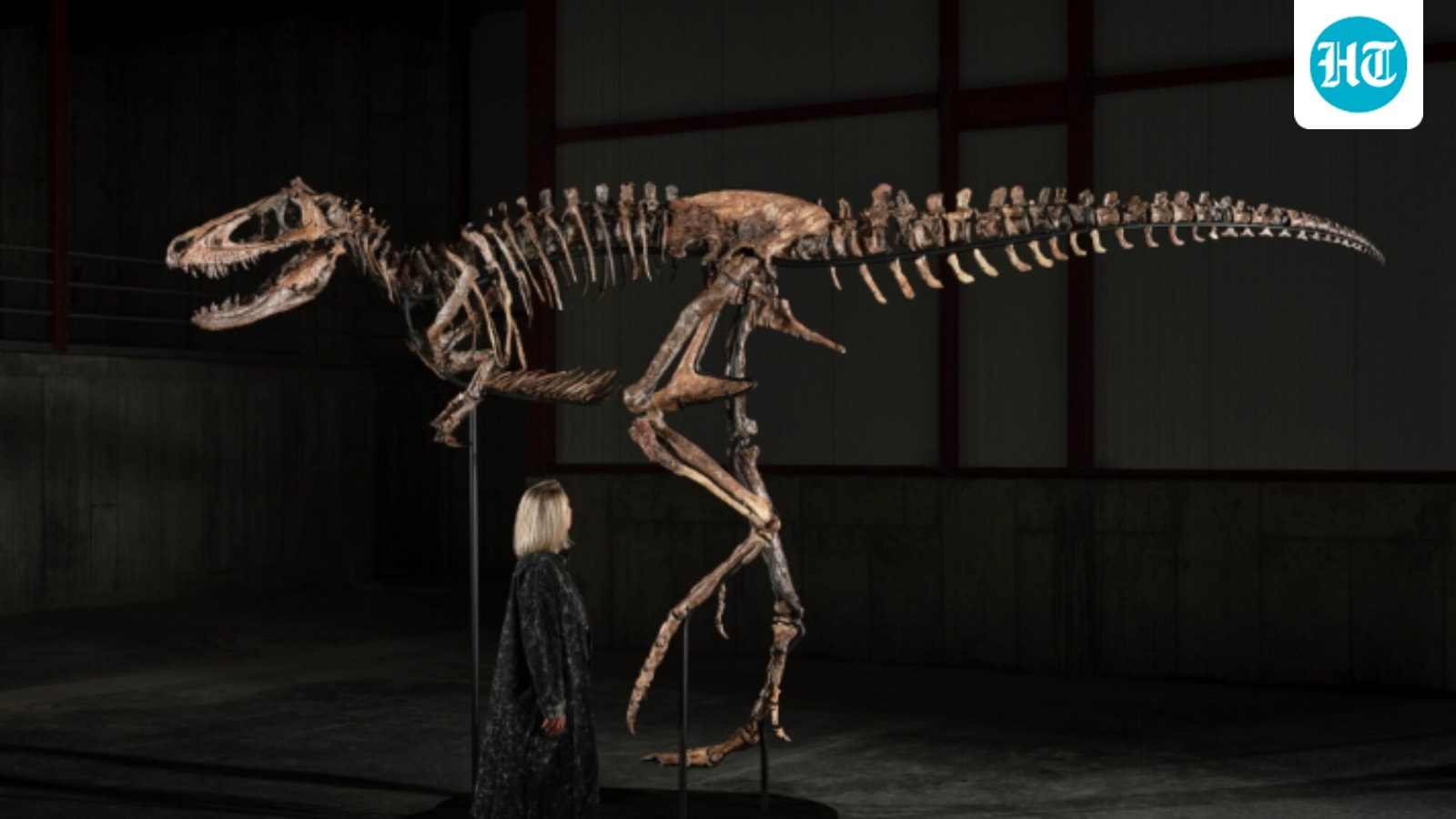
A rare Nanotyrannus skeleton nicknamed 'Jodi' sold at Sotheby's for a record-breaking $47.3 million, far exceeding its $9 million estimate. The sale has sparked intense debate regarding the impact of private ownership on paleontological research.
The Record-Breaking Sale of 'Jodi' the Nanotyrannus
In a landmark event at Sotheby’s in New York, a rare Nanotyrannus skeleton, affectionately nicknamed "Jodi," commanded a staggering $47.3 million at auction. This figure represents a monumental shift in the paleontology market, as the final price eclipsed the initial high estimate of $9 million by more than five times. The specimen, which is approximately 70% complete, stands as one of only three such skeletons known to science, highlighting its extreme scarcity and biological significance.
Scientific Significance and Rarity
Discovered on a Montana ranch in 2019, the skeleton is prized for its remarkably preserved and nearly complete skull. For decades, the Nanotyrannus has been a subject of intense academic scrutiny, often overshadowed by its larger, more famous cousin, the Tyrannosaurus rex. By occupying a distinct, sleeker niche within the tyrannosaur family tree, "Jodi" provides researchers with critical data regarding the evolution and physical diversity of apex predators during the Late Cretaceous period.
The Economics of Paleontology
The twelve-minute bidding war between six participants that culminated in this $47.3 million sale underscores the booming market for high-profile natural history specimens. While the auction house views the sale as a triumph of provenance and rarity, the astronomical price tag has sent shockwaves through the scientific community. The sheer financial barrier to entry now effectively removes such specimens from the reach of public museums and academic institutions, which rarely possess the capital to compete with private collectors.
The Conflict Between Private Ownership and Science
This sale has reignited the long-standing debate over the privatization of fossil remains. Critics argue that when rare skeletons are acquired by private individuals, they risk being sequestered in private collections, effectively preventing peer-reviewed study and public access. The fear is that the commercialization of paleontology may incentivize the excavation of fossils purely for market profit, potentially compromising the integrity of stratigraphic and contextual data that is essential for genuine scientific research.
Broader Implications for Future Discoveries
As the value of dinosaur fossils continues to rise, the trend of moving specimens from remote ranches in the American West to high-end auction blocks in Manhattan is likely to accelerate. This shift presents a paradoxical future: while high prices drive interest and exploration, they also threaten to create a "closed loop" of discovery where only the wealthiest individuals can curate history. Unless new regulations or partnerships between private owners and researchers are established, the scientific community may lose access to critical evolutionary evidence hidden within these rare, privately-held fossils.
Verification Required?