Sculpture recreates odd optical effects of famed Lycurgus Cup
Source Entity
Jennifer Ouellette
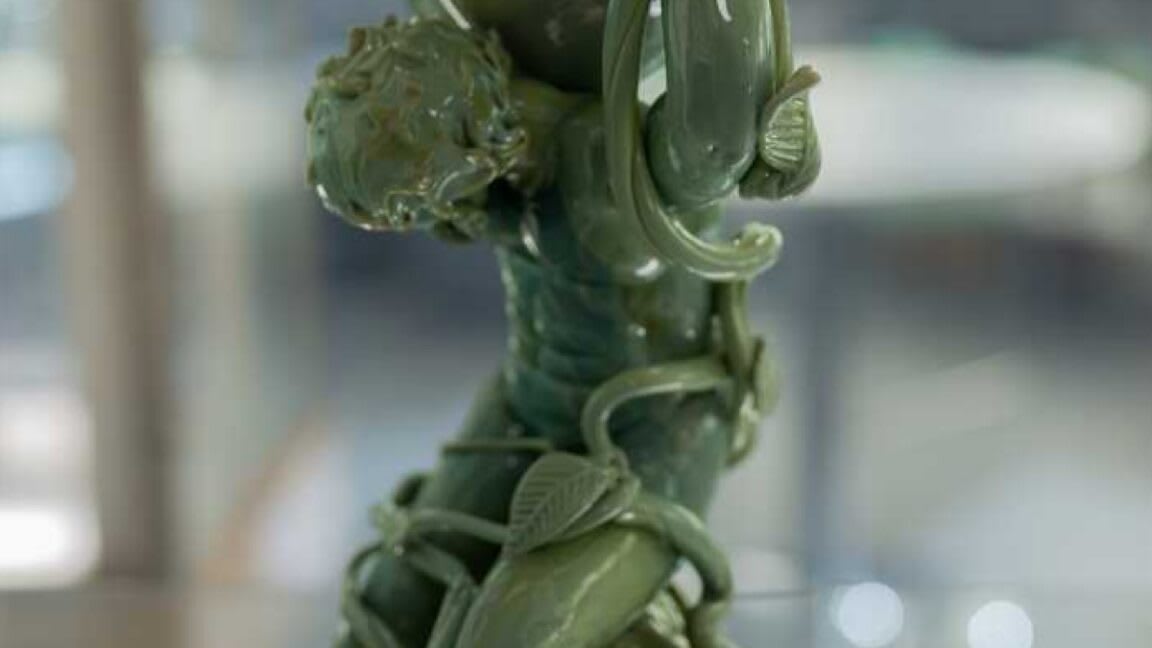
Researchers at the University of Sheffield have successfully replicated the 1600-year-old dichroic glass technology of the ancient Lycurgus Cup. By mastering the use of nanoparticles, scientists have recreated the artifact's iconic color-shifting properties.
The Rebirth of Ancient Optical Mastery
The Lycurgus Cup, a 1600-year-old artifact dating back to approximately 400 CE, has long fascinated historians and scientists alike for its enigmatic light-shifting properties. Known as one of the seven glass wonders of the world, this Roman masterpiece exhibits a unique dichroic effect: appearing opaque green under front lighting and transforming into a vibrant, translucent red when lit from behind. Recently, researchers from the University of Sheffield achieved a significant scientific breakthrough by successfully recreating the original glass recipe, effectively bridging the gap between ancient craftsmanship and modern material science.
The Mystery of Dichroic Glass
For centuries, the mechanism behind the cup’s color changes remained a profound mystery. It was not until 2007 that advanced analysis revealed the secret: the presence of nanoparticles embedded within the glass matrix. These particles, specifically silver and gold, are dispersed at such a precise scale that they interact with light to produce the observed color shifts. This discovery confirmed that Roman artisans possessed a sophisticated, albeit likely empirical, understanding of what we now classify as nanotechnology long before the term existed.
Scientific Replication and Methodology
By isolating the chemical composition and the precise distribution of these nanoparticles, the University of Sheffield team has managed to produce a contemporary glass sculpture that mirrors the Lycurgus Cup's physical behavior. This feat is not merely a reproduction of an antique; it represents a validation of ancient manufacturing techniques that were previously thought to be accidental. The ability to replicate these effects suggests that the Roman glassmakers had a repeatable, intentional process for manipulating light at the nanoscale.
Historical Context and Rarity
The Lycurgus Cup is one of only 40 surviving 'cage cups' (diatretum), which were characterized by their intricate, undercut glass decorations. These artifacts represent the pinnacle of late Roman glassmaking technology. The fact that so few have survived underscores the fragility of these objects and the rarity of the techniques required to create them. By successfully recreating the recipe, researchers are ensuring that the knowledge of these ancient techniques is preserved for future generations.
Broader Implications and Future Trends
The successful replication of this ancient glass technology has significant implications for modern materials science. Understanding how to manipulate nanoparticles to achieve specific optical properties can lead to advancements in sensors, security pigments, and high-tech coatings. As we continue to analyze ancient artifacts through the lens of modern physics, we gain not only a deeper appreciation for the ingenuity of our ancestors but also potentially new pathways for developing smart materials that react to their environment, much like the Lycurgus Cup has for over a millennium.