Mirwaiz, MP Rashid, MP Ruhullah, Lone question mass arrests, demolitions after Anantnag attack
Source Entity
India Latest News: Top National Headlines Today & Breaking News | The Hindu
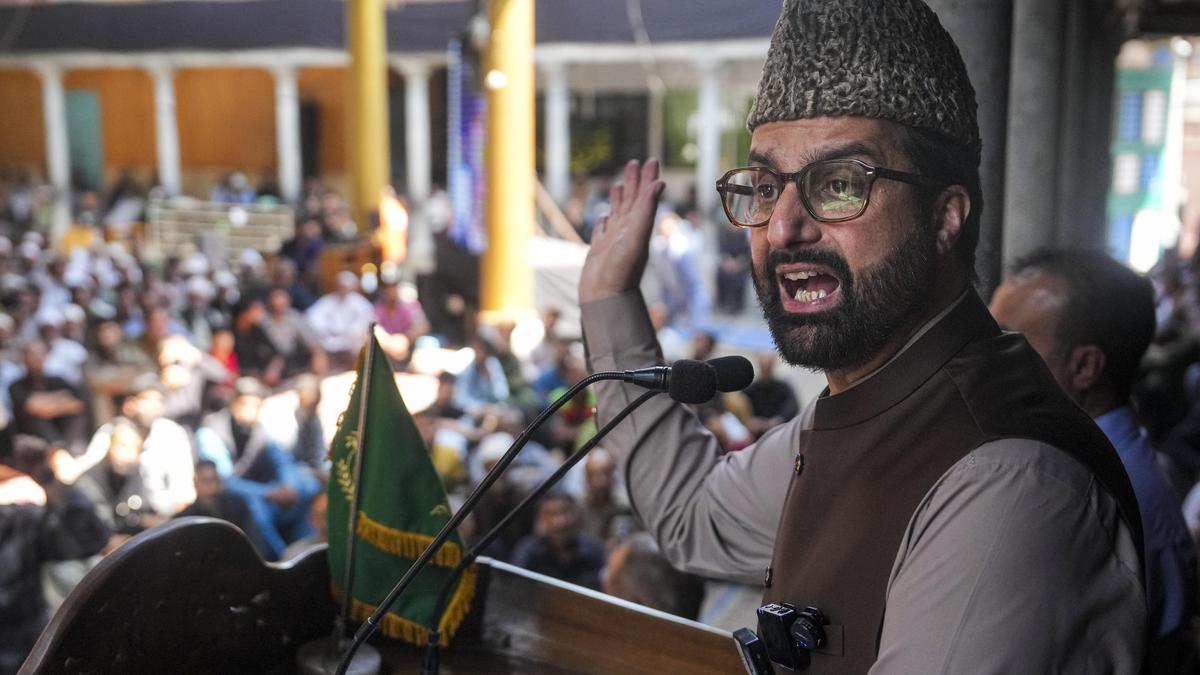
Kashmir political leaders have condemned mass detentions and house demolitions following a fatal attack in Anantnag. Over 2,000 youths have reportedly been detained under allegations of being over-ground workers, sparking concerns over collective punishment.
Tensions Escalate in Kashmir Following Anantnag Attack
Following a fatal attack on a policeman in Anantnag, the Kashmir valley has witnessed a sharp escalation in security operations. Kashmiri political figures, including Mirwaiz Umar Farooq, Member of Parliament Engineer Rashid, and MP Aga Syed Ruhullah, have expressed profound concern over the state’s response, which has involved widespread detentions and the demolition of residential properties belonging to families of suspected militants.
The Scale of Security Operations
Addressing a congregation at the historic Jama Masjid in Srinagar on July 24, 2026, Mirwaiz Umar Farooq highlighted the gravity of the situation. Reports indicate that approximately 2,000 young men have been taken into custody. These individuals are being detained under the broad and controversial classification of "over-ground workers" (OGWs), a term security agencies use to describe individuals accused of providing logistical or informational support to militant groups.
The Debate Over Collective Punishment
At the heart of the current political outcry is the allegation of "collective punishment." Leaders like Mirwaiz argue that while the killing of a police officer is a criminal act that demands investigation and justice, the state's response—targeting the families of suspects through house demolitions and conducting mass dragnets—violates fundamental principles of due process. Critics contend that such measures alienate the local population and potentially exacerbate the cycle of instability rather than curbing it.
Political Backlash and Accountability
The unified voice of regional leaders like Rashid, Ruhullah, and Lone signifies a rare convergence of political opinion regarding the security paradigm in the region. These leaders argue that the state’s current methodology focuses on punitive measures that affect the broader community rather than surgical, evidence-based law enforcement. They are calling for an investigation that holds specific perpetrators accountable without resorting to the harassment of thousands of young men who have not been formally charged with specific crimes.
Broader Implications for Stability
This trend of mass arrests and property demolitions raises significant questions about the long-term governance of the region. Historically, such strategies have been subject to intense legal and human rights scrutiny. The current situation suggests a shift toward a more aggressive "zero-tolerance" security posture, which observers fear could lead to increased social unrest and a breakdown in the relationship between the administration and the youth of Kashmir.
Conclusion and Future Outlook
As the situation unfolds, the tension between maintaining public order and upholding individual rights remains acute. The pushback from elected representatives and religious leaders underscores the mounting anxiety in the valley. Moving forward, the effectiveness of these security operations will likely be measured not just by the immediate containment of violence, but by the social and political consequences of these mass detentions on the region’s fragile peace.
Verification Required?