SC agrees to hear PIL against police excesses on Monday
Source Entity
TNN
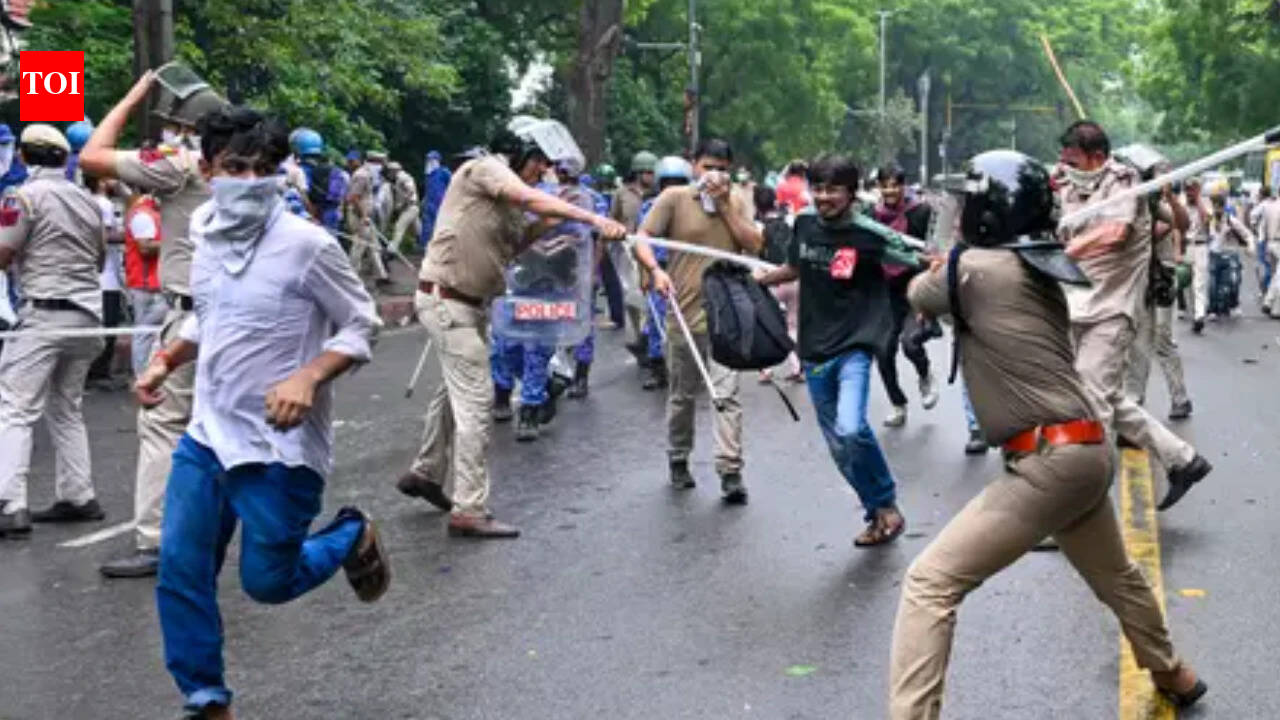
The Supreme Court of India has scheduled a hearing for a Public Interest Litigation (PIL) concerning alleged police excesses. The case, involving the enforcement of prohibitory orders, will be addressed by the bench this coming Monday.
Supreme Court to Review Police Conduct Allegations
The Supreme Court of India has officially agreed to hear a Public Interest Litigation (PIL) this coming Monday, focusing on the critical issue of police excesses. This judicial intervention follows growing concerns regarding the application of law enforcement powers during the implementation of prohibitory orders, which are often utilized to maintain public order in sensitive situations.
The Role of Prohibitory Orders
Prohibitory orders are administrative tools typically invoked under Section 144 of the Code of Criminal Procedure. While these orders are designed to prevent public disturbance and ensure safety, their enforcement has frequently become a point of contention. The PIL seeks to examine whether the methods employed by law enforcement during these periods cross the line into constitutional violations, specifically regarding the freedom of assembly and movement.
Judicial Oversight of Executive Power
The decision to hear this petition highlights the judiciary's role as a check on executive authority. By agreeing to hear the PIL, the Supreme Court is signaling its intent to scrutinize the operational procedures of the police force. This is a significant development, as it touches upon the delicate balance between maintaining public security and protecting the civil liberties of citizens.
Historical Context and Legal Precedent
Historically, the Indian judiciary has often intervened when there are allegations of systemic police misconduct. Courts have long maintained that while law enforcement must have the autonomy to handle volatile situations, such authority is not absolute and must adhere to the principles of proportionality and human rights. This upcoming hearing will likely serve as a litmus test for existing guidelines on police conduct.
Broader Implications for Law Enforcement
The outcome of this hearing could have far-reaching implications for how police forces across the country operate during times of unrest. If the court issues new directives or reaffirms existing mandates, law enforcement agencies may be required to recalibrate their training programs and standard operating procedures to ensure greater transparency and accountability in the field.
Future Trends in Judicial Intervention
Looking forward, this case may set a precedent for how future petitions regarding police behavior are handled. As digital surveillance and public documentation of police encounters increase, the judiciary is becoming more involved in evaluating the legality of police actions. This trend suggests a future where executive actions are subject to even greater judicial oversight, ensuring that the rule of law remains paramount.
Conclusion
In summary, the Monday hearing represents a pivotal moment for civil rights and police accountability in India. By addressing the allegations of excesses tied to prohibitory orders, the Supreme Court is reinforcing the importance of a transparent and responsible law enforcement system, ensuring that public order does not come at the expense of fundamental constitutional rights.