‘Complete violation’: Katy Perry blasts White House over using 'Firework' song in Iran strikes TikTok video
Source Entity
Latest News: Todays Latest News Headlines from India & World | Hindustan Times | Hindustan Times
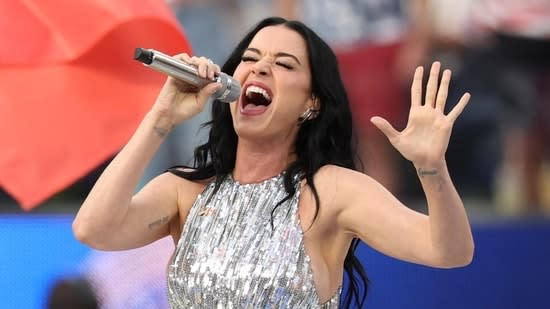
Katy Perry has publicly condemned the White House for using her song 'Firework' in a TikTok video featuring military strikes. She stated the unauthorized use violates the song's intended message of hope and empowerment.
The Intersection of Pop Culture and Geopolitics
Pop star Katy Perry has publicly denounced the White House after an official TikTok account utilized her 2010 hit song, "Firework," as the soundtrack for a video showcasing military strikes in Iran. The incident has ignited a significant debate regarding the ethical boundaries of government social media usage and the appropriation of cultural artifacts for state-sanctioned messaging. For Perry, the issue is not merely one of copyright or licensing, but a fundamental misalignment between the song's core identity and the context in which it was deployed.
A Violation of Artistic Intent
In a strongly worded statement shared on X, Perry articulated that "Firework" was crafted specifically as an anthem of hope, healing, and inner strength. By using the track to score footage of destruction and violence, the White House effectively repurposed an uplifting message into a tool of military propaganda. Perry explicitly noted that she did not approve the usage, was not consulted, and does not condone the association of her creative work with acts of warfare, labeling the act a "complete violation" of the song's purpose.
The Ethics of State-Sponsored Social Media
This controversy highlights the increasing challenges governments face when navigating the tone-deaf nature of modern social media marketing. The White House, in its attempt to utilize trending platforms like TikTok to reach a younger demographic, appears to have prioritized viral potential over the political and social sensitivity required when depicting military operations. By failing to consider the artist’s perspective or the public's perception of such juxtapositions, the administration has inadvertently triggered a backlash that overshadows the intended message of the video.
Intellectual Property and Public Perception
While legal discussions regarding "fair use" or licensing in government social media are complex, the court of public opinion has focused on the moral implications of the move. When artists create music intended to inspire "darkest personal moments," seeing that work weaponized against a backdrop of geopolitical conflict creates a cognitive dissonance for the audience. The situation underscores the necessity for government communications departments to establish rigorous review processes that account for the cultural context of the media they consume and re-share.
Future Trends in Digital Governance
As institutions continue to lean into digital platforms for public engagement, this incident serves as a cautionary tale. Future state communications must navigate the fine line between relatable content and the trivialization of serious policy outcomes. The fallout from this event suggests that artists and rights holders will become increasingly vigilant in monitoring how their work is utilized by political entities, likely leading to more frequent public confrontations when creative intent is ignored for the sake of digital clout.
Conclusion
Katy Perry’s vocal opposition to the White House's use of her intellectual property serves as a reminder that music remains a deeply personal medium of expression. The administration’s error in pairing a song synonymous with resilience and personal growth with the imagery of military strikes has sparked a necessary conversation about the responsibility of state actors in their digital discourse. Moving forward, the balance between strategic communication and respect for creative agency will remain a critical hurdle for any government seeking to maintain public trust in the digital age.
Verification Required?