Assam Congress writes to PM, seeks enhanced aid for victims of Kaziranga accident
Source Entity
India Latest News: Top National Headlines Today & Breaking News | The Hindu
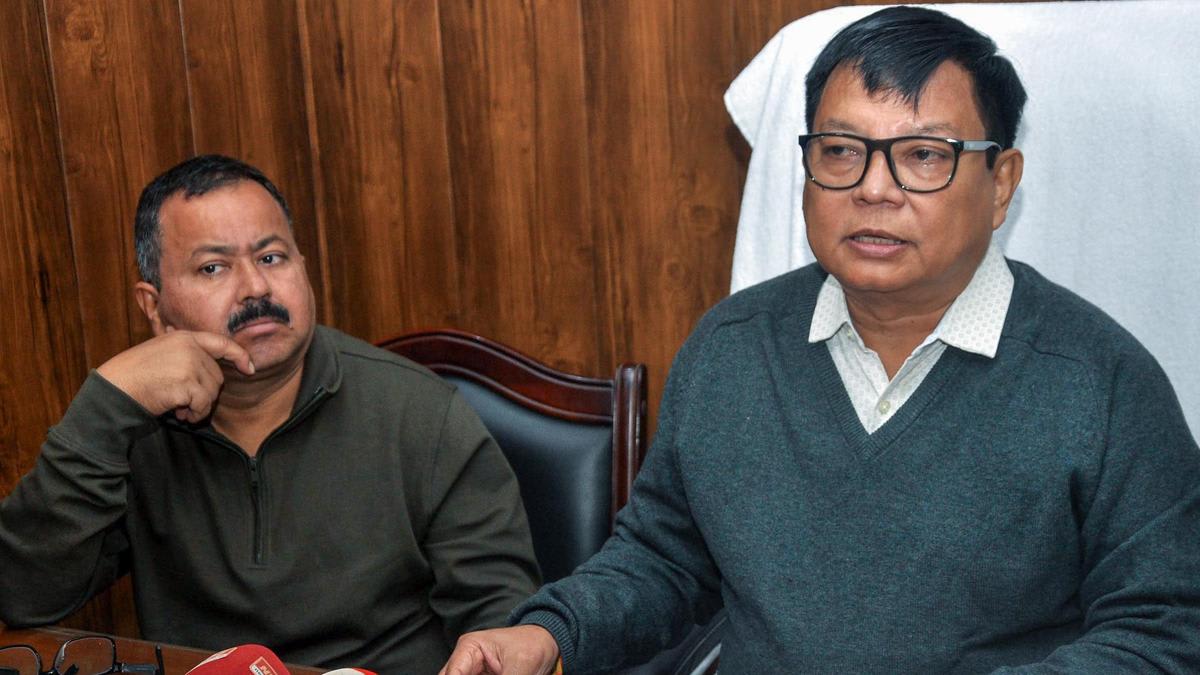
Following a tragic collision near Kaziranga that claimed 26 lives, Assam Congress leader Debabrata Saikia has requested enhanced government aid for victims. Police investigations revealed the minibus owner had illegally removed a speed-limiting device to maximize trips, leading to arrests.
The Kaziranga Tragedy: A Call for Accountability and Reform
On November 13, 2026, a devastating head-on collision between a minibus and a container truck near the Hathikuli Tea Estate in Rongajan claimed the lives of 26 individuals. This tragic event has ignited a significant public and political discourse regarding road safety, regulatory enforcement, and the welfare of victims in the state of Assam. As the region mourns, the focus has shifted toward the systemic failures that enabled such a catastrophe.
The Human Cost and Political Intervention
In the wake of the accident, Assam Congress leader Debabrata Saikia has formally appealed to Prime Minister Narendra Modi. Saikia is advocating for enhanced compensation for the families of the 26 deceased, alongside a demand for comprehensive free medical treatment for those left critically injured. Beyond immediate financial relief, the appeal highlights the urgent need for livelihood assistance, recognizing that many victims served as primary breadwinners for their households. This intervention underscores the necessity for a compassionate state response to mass-casualty transport incidents.
Systemic Negligence and Regulatory Evasion
Perhaps the most alarming aspect of the police investigation, led by Golaghat Senior Superintendent of Police Swapnaneel Deka, is the revelation of intentional malpractice. The probe found that the minibus owner had deliberately removed a mandatory speed-limiting device. This act of gross negligence was reportedly motivated by a desire to complete more trips within a shorter timeframe, prioritizing financial gain over the safety of passengers. The subsequent arrest of the vehicle owner marks a critical first step in addressing this culture of impunity.
Infrastructure and Safety Concerns
Beyond the specific actions of the vehicle owner, the state of National Highway-715 has come under intense scrutiny. Debabrata Saikia has characterized the stretch of road as being in a 'deplorable' condition, alleging that authorities have neglected essential safety measures. The demand for a thorough examination of road design, maintenance, and traffic management reflects a broader concern that infrastructure in the region is failing to keep pace with traffic demands, thereby exacerbating the risks for commuters.
Future Implications for Highway Safety
This incident serves as a grim catalyst for policy reform. The demand for a comprehensive audit of highway safety, healthcare infrastructure, and traffic management in the Kaziranga region is not merely a reactionary measure but a necessity to prevent future tragedies. Moving forward, the effectiveness of law enforcement in monitoring speed-limiting device compliance will be the primary metric for gauging whether the state can successfully curb such preventable accidents.
Conclusion
The tragedy at Rongajan is a multifaceted issue involving criminal negligence, infrastructure decay, and the urgent need for victim support. While the arrest of the vehicle owner addresses the immediate criminal act, the long-term resolution lies in the systemic overhaul of road safety enforcement and the rehabilitation of the highway infrastructure. The government's response to the Congress party's demands will set a precedent for how Assam addresses transport accountability in the years to come.
Multiple Citing Sources
Verification Required?