Tantri does not have ownership of assets belonging to deity, says Kerala HC
Source Entity
India Latest News: Top National Headlines Today & Breaking News | The Hindu
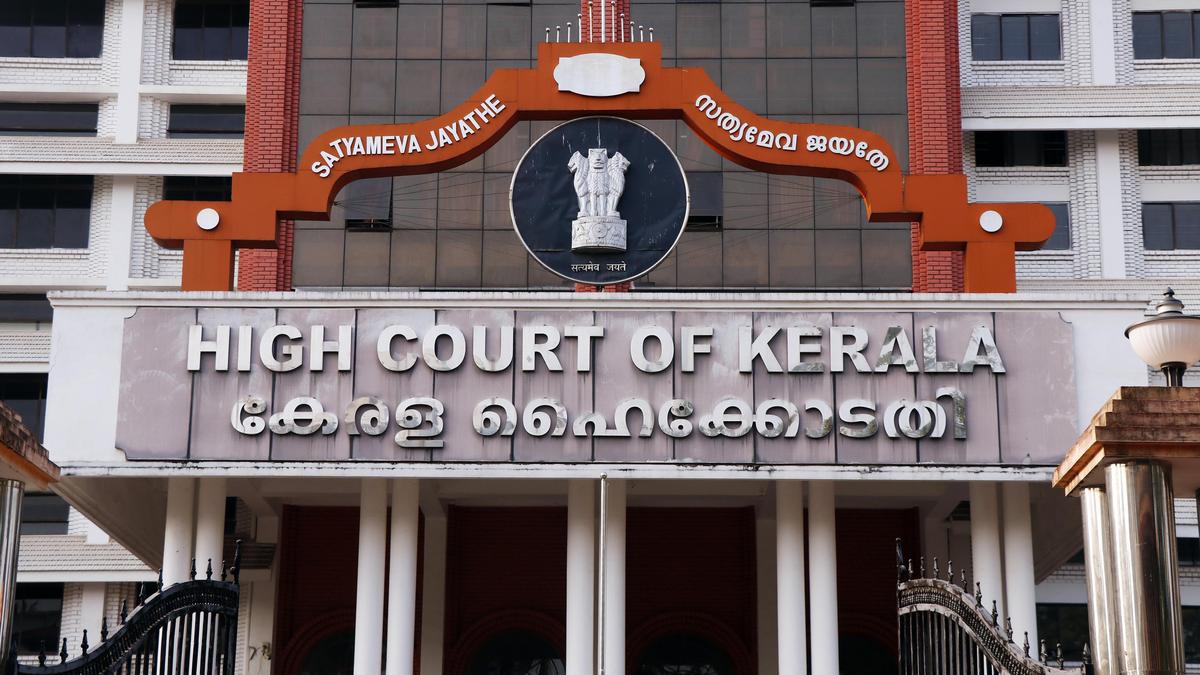
The Kerala High Court has clarified that a temple Tantri's religious authority does not equate to ownership of deity assets. The court ruled that temple properties must be managed as Devaswom assets under statutory regulations.
Legal Clarification on Temple Asset Ownership
In a significant judicial pronouncement, the Kerala High Court has established a clear legal demarcation between the ritualistic authority of a temple Tantri and the administrative control of temple assets. The Division Bench, comprising Justices K.V. Jayakumar and Raja Vijayaraghavan V., emphasized that the performance of religious ceremonies does not confer upon the Tantri any proprietary interest in the wealth or properties dedicated to the deity.
Distinguishing Ritual Authority from Administrative Control
The court’s ruling addresses a long-standing point of contention regarding temple management. By separating the spiritual functions from the secular management of assets, the court has reinforced the principle that religious functionaries serve as custodians rather than owners. The judgment clarifies that while a Tantri holds significant spiritual stature and authority over ritualistic procedures, this role is functionally independent of the financial and material oversight of the temple.
The Role of Devaswom Statutes
The legal framework cited by the court dictates that all valuables and properties belonging to a deity must be categorized as Devaswom assets. These assets are subject to specific statutory and administrative oversight designed to ensure transparency, preservation, and accountability. This ruling effectively restricts any unilateral efforts by religious figures to dispose of or appropriate temple property, ensuring that such actions fall under the purview of established governing bodies.
Broader Implications for Temple Governance
This decision carries profound implications for the management of religious institutions in Kerala. By reaffirming that property rights are governed by statutory frameworks rather than traditional religious authority, the court has provided a safeguard against the potential misuse of temple wealth. It establishes a precedent where the fiduciary responsibility of temple management is prioritized, ensuring that the assets are maintained for the benefit of the institution and the deity, rather than being treated as personal holdings.
Future Trends and Judicial Precedent
The judgment sets a clear path for future litigation regarding temple administration. It signals a move toward more professionalized management of religious assets, where spiritual duties are clearly siloed from secular administrative duties. As judicial scrutiny over temple administration increases, this ruling will likely serve as a foundational reference for courts in ensuring that religious authority remains confined to its prescribed spiritual domain, thereby protecting the integrity of public religious endowments.
Verification Required?