KBR petitioners deny making any complaint to CEC
Source Entity
India Latest News: Top National Headlines Today & Breaking News | The Hindu
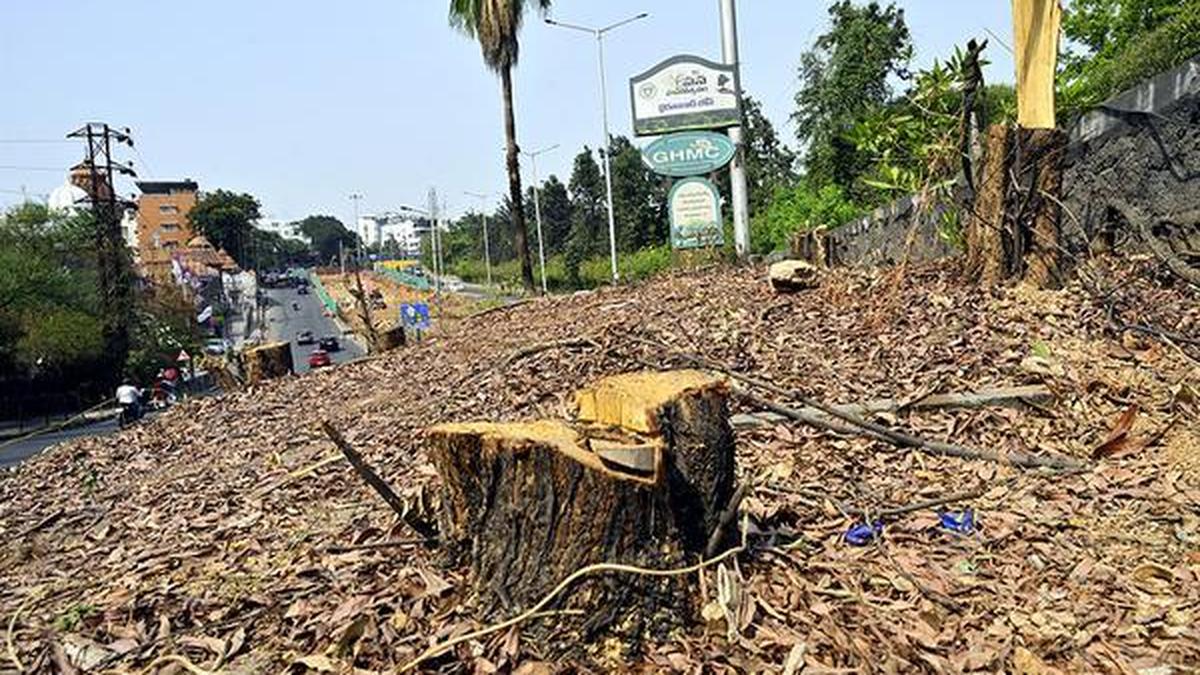
Petitioners involved in the KBR National Park Eco-Sensitive Zone case have clarified that they did not file a formal complaint regarding tree felling. Their communication was an information request directed to local authorities, with the Central Empowered Committee only copied for transparency.
Clarifying the KBR National Park Dispute
Recent developments regarding the Eco-Sensitive Zone (ESZ) of the KBR National Park have highlighted a significant procedural misunderstanding. Petitioners who have been actively engaged in litigation before the Supreme Court regarding the park's environmental integrity have issued a formal statement to clarify their role in the recent site visit by the Central Empowered Committee (CEC). Contrary to prevailing narratives, these petitioners assert that they did not initiate a formal complaint concerning the recent felling of a tree within the designated zone.
The Nature of the Communication
The confusion appears to stem from a digital correspondence dated June 15, 2026. In this instance, the petitioners directed an inquiry to the Commissioner of the Greater Hyderabad Municipal Corporation (GHMC), the Principal Chief Conservator of Forests (PCCF), and the District Collector of Hyderabad. The primary objective of this email was to seek transparency regarding a specific incident of tree felling. The petitioners requested critical details, including the legal permissions obtained, the identity of the agency responsible for the action, and whether a prior environmental inspection had been conducted.
The Role of the CEC
It is important to emphasize that the Central Empowered Committee was not the intended recipient of a formal grievance. Instead, the CEC was merely copied on the electronic communication as a matter of due diligence. The petitioners were not included in the official distribution list for the CEC’s site visit programme, nor were they served notice of the visit. This disconnect highlights the complex administrative pathways involved in managing protected urban forests and the often-fragmented communication channels between local authorities and oversight bodies.
Administrative Implications
This incident underscores the broader challenges in maintaining Eco-Sensitive Zones in rapidly urbanizing regions. When administrative schedules, such as those of the CEC, are circulated among the Chief Secretary, the PCCF, and the Divisional Forest Officer without including the stakeholders who initiated the inquiry, it creates a void in transparency. For the petitioners, the goal remains accountability rather than direct confrontation, as they seek to ensure that any activity within the ESZ adheres strictly to established environmental protocols.
Future Trends in Environmental Oversight
Looking forward, this situation demonstrates the necessity for more robust communication protocols between oversight committees and the public or legal entities involved in conservation litigation. As public interest in urban biodiversity grows, the frequency of such inquiries is likely to increase. Ensuring that all parties—including petitioners and oversight committees—are synchronized on the status of environmental investigations will be crucial to preventing misinformation and ensuring that the protection of the KBR National Park remains a collaborative effort rather than a point of bureaucratic friction.
Verification Required?