Arvind Kejriwal Slams Centre Over E20 Petrol: 'Vehicles Damaged, Mileage Falling'
Source Entity
Latest News: Todays Latest News Headlines from India & World | Hindustan Times | Hindustan Times
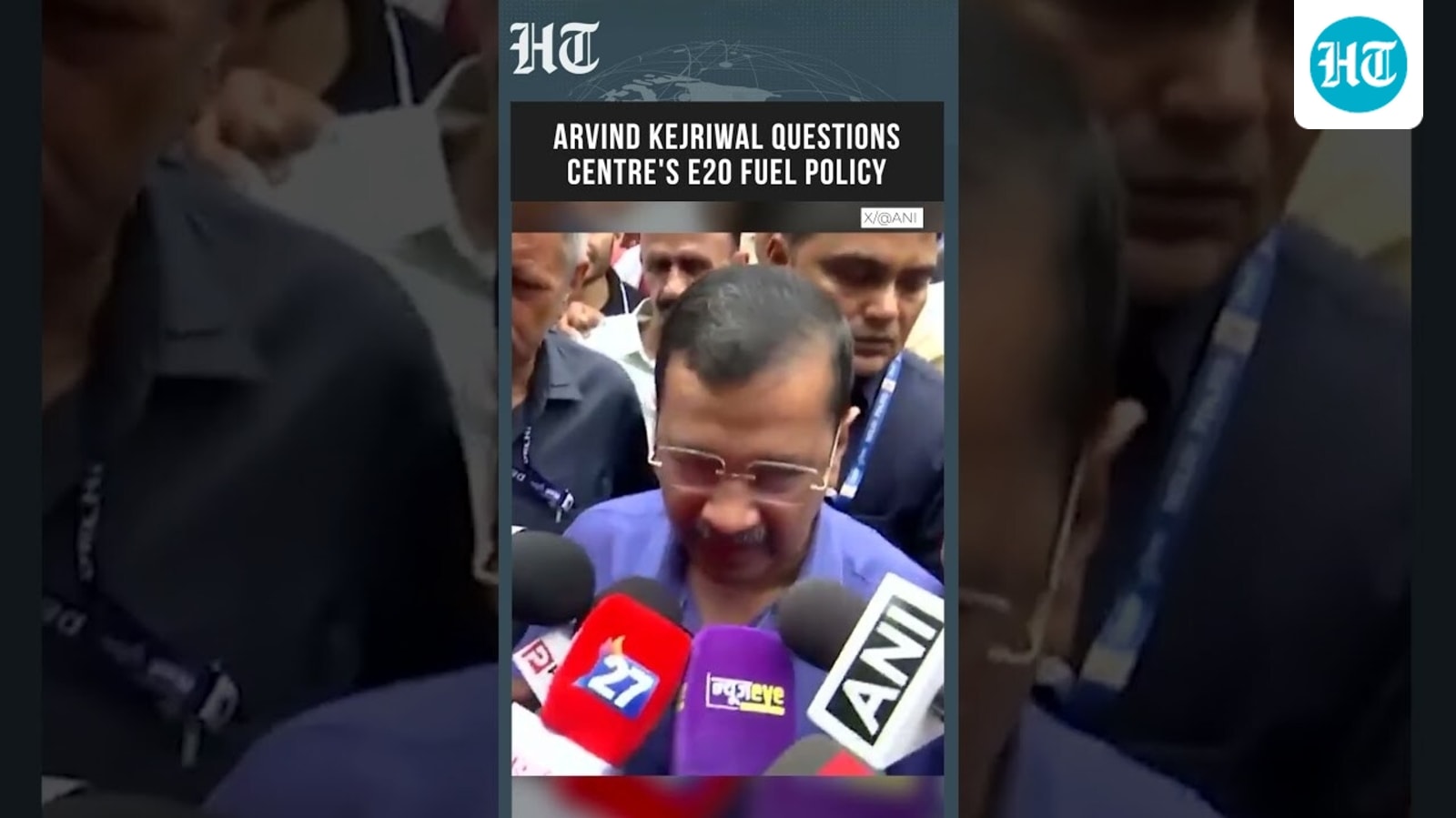
Arvind Kejriwal and the AAP have announced a protest march to the PM's residence on August 4 to challenge the government's mandatory E20 ethanol-blending policy. The campaign centers on allegations of engine damage and reduced fuel efficiency, while concurrent protests face police intervention.
The E20 Controversy: AAP Challenges Centre's Fuel Policy
Escalating Tensions Over Ethanol Blending
Former Delhi Chief Minister Arvind Kejriwal has announced a significant escalation in the Aam Aadmi Party's (AAP) opposition to the Union government's mandatory E20 (20% ethanol-blended) fuel policy. On August 4 at 12 pm, Kejriwal plans to lead a march to the Prime Minister’s residence in New Delhi, accompanied by a group of citizens who have pledged to participate despite the risk of detention. This move follows a 'National Town Hall Against E20' held at the Constitution Club, where Kejriwal highlighted that a petition against the policy has garnered over two lakh digital signatures.
Core Allegations Against E20 Implementation
At the heart of the protest is the claim that the government failed to conduct adequate scientific studies before mandating the E20 blend. Kejriwal and other critics argue that the policy is causing tangible harm to vehicle owners. Specifically, allegations include persistent engine damage and a noticeable decline in fuel efficiency (mileage). These concerns have galvanized a segment of the public who feel the policy is being imposed without sufficient consideration for the long-term impact on consumer vehicles and household expenses.
The Intersection of Policy and Protest
The political atmosphere surrounding this issue is increasingly volatile. The conflict is not limited to AAP's official channels; it has expanded to include broader civil society pushback. For instance, political analyst Tehseen Poonawalla recently claimed that Delhi Police placed him under house arrest to prevent him from launching a hunger strike against the same policy. Poonawalla’s public documentation of this event, including claims of police presence at his residence, underscores the intensifying friction between the administration and those opposing the fuel mandate.
Broader Implications for Energy Policy
This confrontation represents a significant challenge to the Centre's broader green energy and agricultural roadmap. While ethanol blending is intended to reduce India's dependence on crude oil imports and support the sugar industry, the AAP’s campaign suggests a disconnect between policy intent and consumer experience. The demand for an immediate review of the E20 mandate reflects a growing political necessity for the government to address technical concerns raised by the public regarding vehicle performance.
Future Trends and Political Fallout
Looking ahead, the August 4 march serves as a litmus test for the political traction of the E20 issue. If the AAP succeeds in mobilizing a large number of participants, it could force the government to either provide more transparent data on the safety of E20 fuel or initiate a formal review of the rollout strategy. The involvement of various political figures suggests that the E20 debate will remain a key point of contention, potentially influencing the national conversation on environmental policy and economic governance in the coming months.
Multiple Citing Sources
Verification Required?