High waves along Kerala coast: Kozhikode Collector bans entry to beaches
Source Entity
India Latest News: Top National Headlines Today & Breaking News | The Hindu
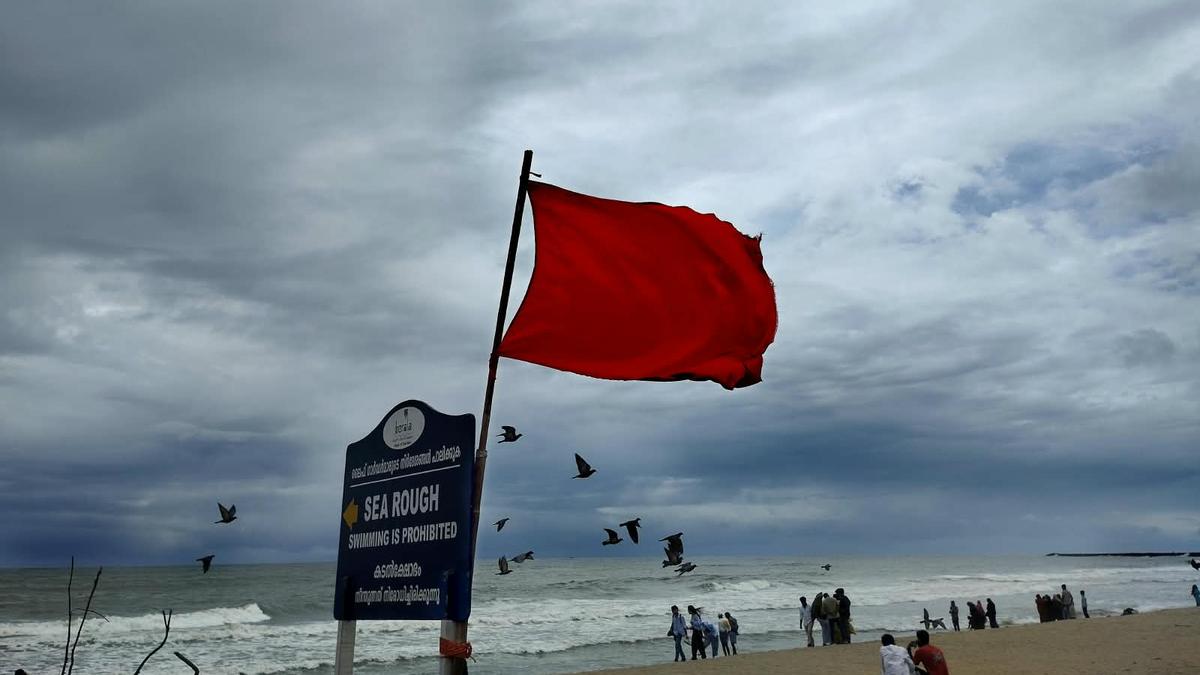
Kerala has implemented strict beach bans in Kozhikode due to dangerous 'Kallakkadal' swell surges. The state has also officially declared tidal flooding a state-specific disaster to provide financial aid to affected coastal communities.
Coastal Crisis: Kerala’s Response to Rising Seas and Swell Surges
The Immediate Threat: The Kallakkadal Phenomenon
The Kerala coastline is currently under a high-alert status following warnings from the Indian National Centre for Ocean Information Services (INCOIS). The primary threat is the 'Kallakkadal,' a dangerous phenomenon characterized by sudden, high-energy swell surges that originate in deep oceans and travel vast distances before crashing into the shoreline. These surges differ significantly from cyclone-induced waves, as they often occur without warning, causing seawater to gush into interior coastal areas and endangering both residents and infrastructure.
Administrative Action in Kozhikode
In direct response to these severe ocean alerts, District Collector M. S. Madhavikutty has issued a sweeping directive prohibiting public access to all seafronts in the Kozhikode district. Effective from midnight on August 19 until midnight on August 20, the ban encompasses popular tourist hubs such as Beypore, extending to all local visitors and seaside vendors. This total suspension of beach activities is a critical safety measure, strictly forbidding swimming, walking along the shoreline, or entering the water during this high-risk window.
A Historic Policy Shift: Tidal Flooding as a Disaster
Beyond the immediate emergency response in Kozhikode, the state government of Kerala has taken a landmark step by declaring tidal flooding a state-specific disaster. This is a pioneering move in India, marking the first time a state has officially categorized recurrent tidal inundation—often exacerbated by full and new moon cycles—as a formal disaster. This reclassification ensures that victims of these floods are eligible for financial assistance from the State Disaster Response Fund (SDRF), mirroring the support provided for traditional natural calamities.
The Broader Implications for Coastal Communities
This policy shift highlights the increasing vulnerability of Kerala’s coastal geography to climate-related variables. Historically, coastal communities have suffered from the loss of life and livelihood due to periodic sea-level rise and flooding. By formalizing this as a state-specific disaster, the government acknowledges that the threat is no longer a localized nuisance but a structural challenge requiring consistent financial and administrative intervention.
Future Trends and Resilience
As the Arabian Sea continues to show volatile behavior, the integration of INCOIS early-warning systems with proactive local administration, as seen in the Kozhikode beach ban, will become the standard for disaster mitigation. Future trends indicate that Kerala will likely need to invest further in coastal defense infrastructure and community-based disaster management to protect low-lying areas from the compounding effects of swell surges and long-term tidal flooding. The current events serve as a sobering reminder of the necessity for adaptive governance in the face of evolving maritime risks.
Multiple Citing Sources
Verification Required?