Why Kerala declared tidal flooding a State-specific disaster | Explained
Source Entity
India Latest News: Top National Headlines Today & Breaking News | The Hindu
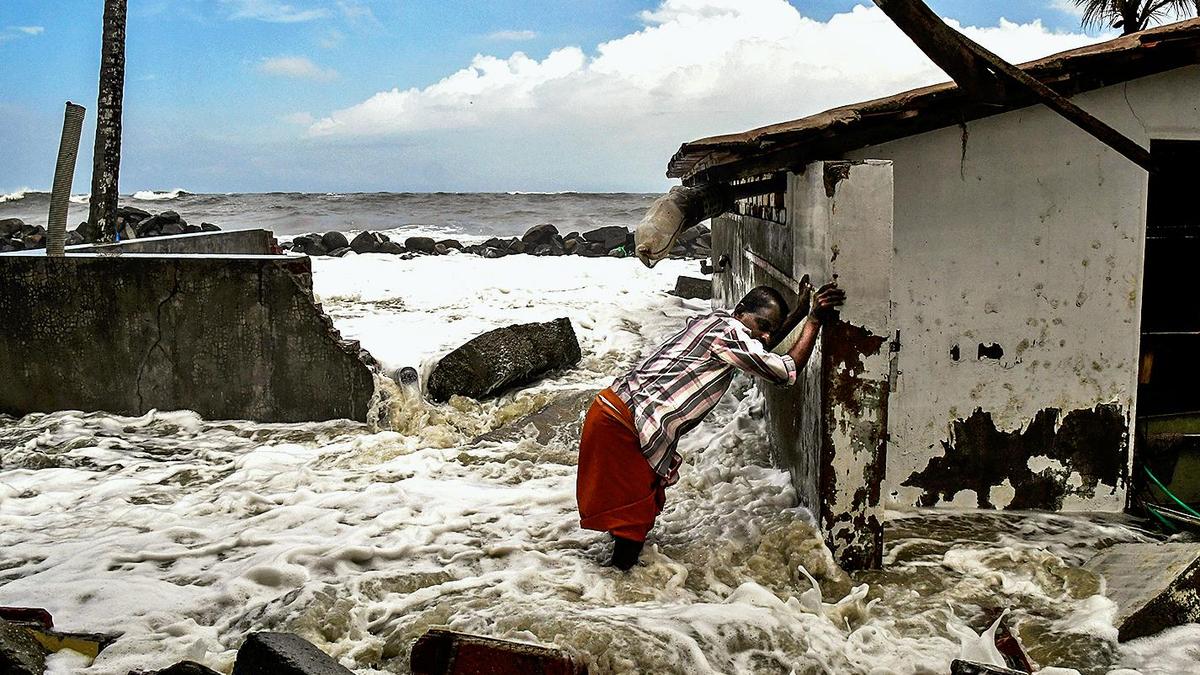
Kerala has become the first Indian state to classify tidal flooding as a state-specific disaster, enabling financial aid for victims. This decision follows recurring swell surges and rising sea levels that threaten coastal communities across Kerala, Tamil Nadu, and Lakshadweep.
Kerala Sets Precedent with Tidal Disaster Classification
In a landmark policy shift, the Kerala government has officially declared tidal flooding a state-specific disaster. This unprecedented move marks the first instance in India where tidal inundation has been formally recognized under a state-level disaster management framework. By integrating these events into the State Disaster Response Fund (SDRF) eligibility, the administration aims to provide immediate financial relief to coastal residents who have long suffered from the cyclical loss of life and property due to rising sea levels.
Understanding the Phenomenon of Swell Surges
The decision is rooted in the recurring, aggressive oceanographic events known as 'swell surges.' Unlike cyclone-induced storm surges, which are typically associated with high-wind weather systems, swell surges originate deep in the ocean. These high-period waves travel vast distances before striking the coast, often without the warning signs of localized storm activity. The Indian National Centre for Ocean Information Services (INCOIS) has identified these surges as a persistent threat, particularly affecting the coastlines of Kerala, southern Tamil Nadu, and the Lakshadweep islands.
The Vulnerability of Low-Lying Coastal Regions
Coastal communities in these regions face a unique geographic vulnerability. During periods of high tides, especially those exacerbated by full or new moons, the Arabian Sea level temporarily rises above established thresholds. This inundation allows seawater to gush into interior residential areas, causing significant damage. The recent warnings issued by INCOIS for August 19 and 20 highlight the severity of these events, as high-period waves interact directly with the shoreline, necessitating the suspension of coastal activities to prevent loss of life.
Implications of the New Policy
By categorizing these events as a state-specific disaster, the Kerala government is acknowledging that tidal flooding is no longer an occasional inconvenience, but a structural threat requiring institutional intervention. This policy shift ensures that victims receive compensation similar to those impacted by more traditional natural disasters. It represents a shift from reactive emergency management to a more structured, inclusive approach to climate-related coastal risks.
Future Trends and Climate Adaptation
As global sea levels continue to rise, the frequency and intensity of these tidal incursions are likely to increase. Kerala’s proactive legislative stance serves as a blueprint for other coastal states in India. Moving forward, the effectiveness of this policy will depend on the integration of advanced forecasting from agencies like INCOIS with robust, on-the-ground disaster response mechanisms. This development marks a critical step in adapting to the realities of a changing climate, prioritizing the security of the millions residing along India's vulnerable southern coasts.
Multiple Citing Sources
Verification Required?