Days after Indonesia quake killed 53, another 5.9 earthquake Flores Island
Source Entity
The Indian Express
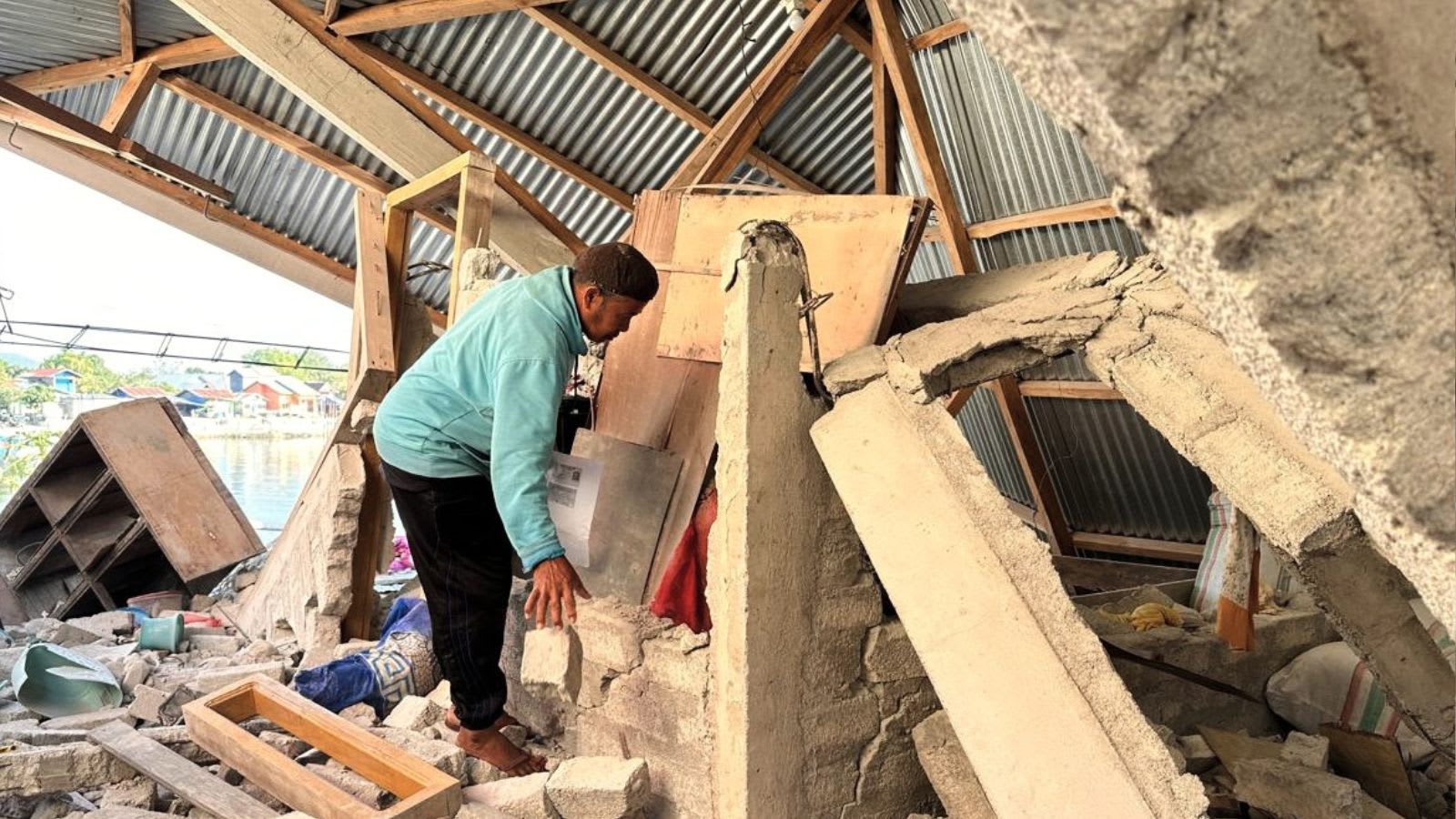
A second 5.9 magnitude earthquake has struck Indonesia's Flores region just days after a prior disaster claimed 53 lives. The shallow tremors have caused widespread destruction and are exacerbating an already critical humanitarian situation in East Nusa Tenggara.
Seismic Crisis Grips Indonesia’s Flores Region
Indonesia is facing a harrowing humanitarian challenge following a series of powerful seismic events in the Flores region. On Thursday, a 5.9 magnitude earthquake struck the area at a shallow depth of 10 kilometers, according to the European-Mediterranean Seismological Centre (EMSC). This latest tremor compounds the devastation caused by an earlier 5.9 magnitude quake that hit the same region on Monday, August 17, 2026. The recurring nature of these seismic activities, occurring within such a tight timeframe, has significantly hampered initial recovery efforts and heightened the vulnerability of local communities.
The Human Toll and Immediate Aftermath
The impact of these disasters is starkly illustrated by the experience of survivors like Arshad Hamid, who was documented searching for valuables in his damaged residence in North Lamba Leda, East Nusa Tenggara province. With 53 fatalities already confirmed from the initial seismic activity, the region is struggling to cope with the sheer scale of the destruction. The proximity of these two major quakes has created a state of constant instability, making it dangerous for residents to return to their homes to salvage belongings or seek shelter, as structural integrity is likely compromised across the region.
Geological Context of the Flores Region
Indonesia’s geography makes it one of the most seismically active nations in the world, sitting atop the 'Pacific Ring of Fire.' The Flores region, specifically, is prone to shallow-depth earthquakes, which are historically more destructive due to the intensity of the shaking felt at the surface. The fact that both the Monday and Thursday quakes originated at a shallow depth of approximately 10 kilometers explains the extensive damage reported. Shallow quakes release a significant amount of energy into the immediate crustal environment, causing severe surface displacement.
Challenges in Disaster Response
The compounding nature of these tremors presents a logistical nightmare for emergency responders. In the immediate aftermath of a disaster, rescue operations prioritize life-saving measures; however, subsequent quakes force teams to pause operations to ensure their own safety. This cycle of disaster and recovery delay threatens to exacerbate the suffering of those affected. The focus now shifts toward providing temporary housing, medical aid, and psychological support for survivors in North Lamba Leda and the broader East Nusa Tenggara province.
Future Trends and Resilience
As the region continues to experience aftershocks and secondary seismic events, the local government and international aid organizations must prioritize resilient reconstruction. The trend of frequent, high-magnitude shallow earthquakes suggests that infrastructure in East Nusa Tenggara may require updated building codes that emphasize seismic resistance. Moving forward, the focus will likely transition from immediate search-and-rescue to long-term community rehabilitation, with an emphasis on disaster preparedness and early warning systems to mitigate the loss of life in future seismic events.