Trump announces ‘economic D-day’ against Iran, warns countries aiding Tehran of ‘tremendous’ consequences
Source Entity
The Indian Express
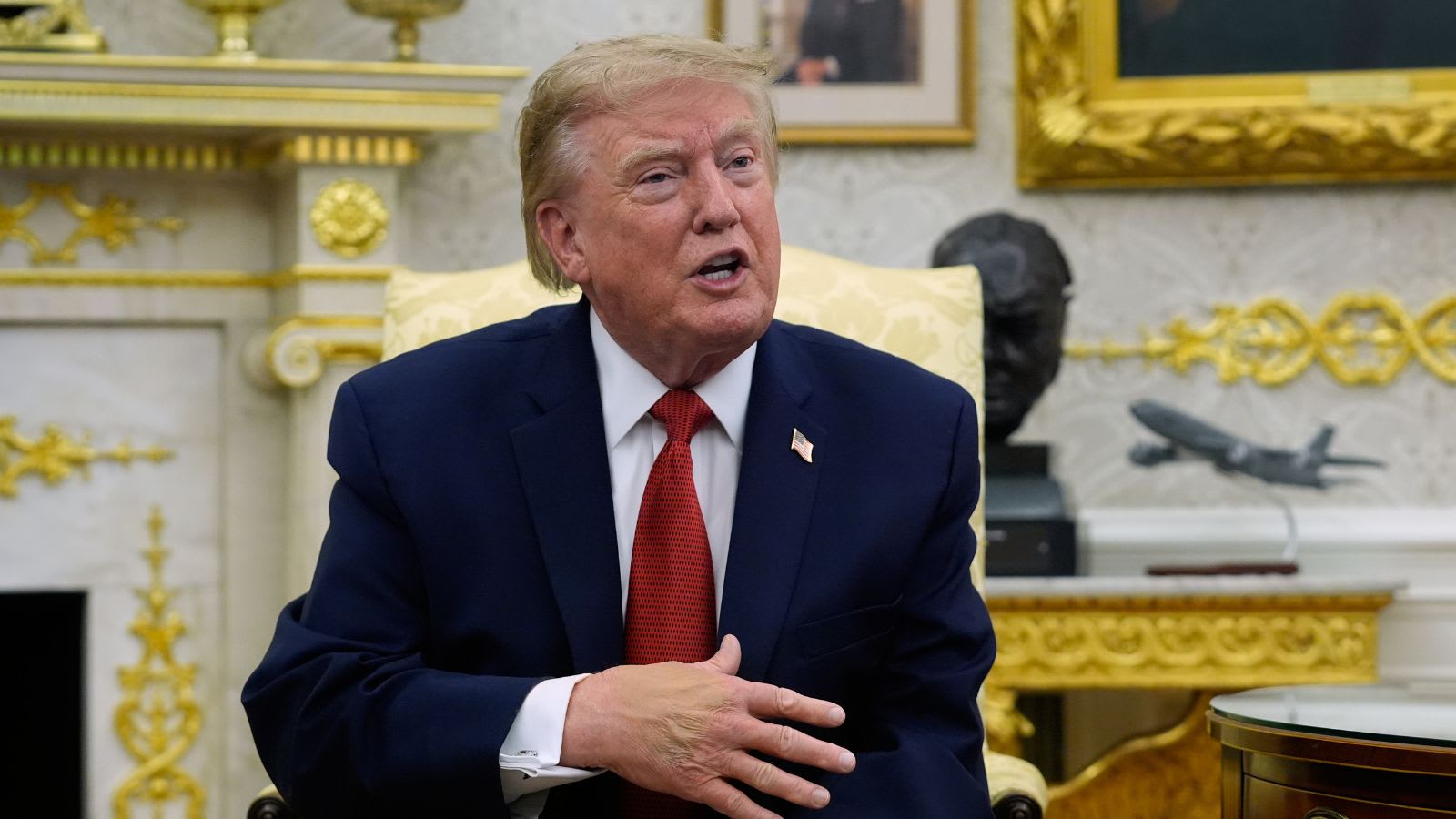
President Donald Trump has announced an 'Economic D-Day' against Iran, signaling a new phase of intense financial pressure. The strategy threatens severe penalties for any nation or entity that assists Tehran in evading existing sanctions.
The Escalation of 'Operation Economic Fury'
President Donald Trump has formally announced a significant intensification of the United States' pressure campaign against the Islamic Republic of Iran, characterizing the move as an 'Economic D-Day.' This initiative, which functions as an extension of the ongoing 'Operation Economic Fury' that began in April, represents a shift toward what the administration describes as 'economic warfare.' By framing the situation in such stark terms, the White House is signaling a move away from traditional diplomatic overtures toward a more aggressive, punitive financial posture.
Targeting the Iranian Infrastructure
Central to this announcement is the administration’s claim that Iran’s military capabilities—specifically its navy, air force, and production facilities—have been severely compromised. President Trump has publicly asserted that the Iranian currency has been rendered essentially worthless, positioning the regime as being 'on the brink.' This assessment serves as the foundation for the current policy, suggesting that the U.S. believes the Iranian state is currently at its most vulnerable point, thereby justifying the imposition of what the President calls the 'most crushing economic operation ever taken against any country.'
The Doctrine of Secondary Sanctions
Perhaps the most consequential aspect of this new policy is the direct warning issued to international actors. The administration has explicitly stated that any nation, financial institution, business, or government entity that provides a 'lifeline' to Iran will face severe, 'tremendous' economic consequences. This effectively creates a binary choice for the global community: either comply with the U.S.-led isolation of Iran or risk being targeted by the same punitive measures. This move is designed to force global markets to choose between access to the U.S. financial system and trade with Tehran.
Contextualizing the 'Economic D-Day'
This announcement arrives at a time when the Trump administration is actively engaging with various sectors of the economy, as evidenced by the President’s recent meeting with cryptocurrency executives in the Roosevelt Room. The intersection of high-level economic policy and meetings with tech leaders suggests a calculated effort to leverage modern financial tools to enforce these sanctions. The rhetoric employed reflects a broader strategy of using economic isolation as a primary tool of foreign policy, moving beyond traditional military deterrence to focus on the absolute degradation of a nation's financial viability.
Future Implications and Global Stability
As this 'Economic D-Day' unfolds, the primary question remains how international partners will respond to the threat of secondary sanctions. The administration’s firm stance—that Iran failed to take the opportunity for a deal—indicates that the door for diplomacy is currently closed in favor of total economic pressure. Looking forward, the success of this strategy will depend on the willingness of global financial systems to adhere to U.S. directives. If the policy holds, it could lead to the total economic decoupling of Iran from the global market, though it also risks significant friction with other major powers who may resist the extraterritorial reach of U.S. financial law.