Baidoa Erupts In Violence As Somali Government Forces Clash With Militias, Dozens Killed
Source Entity
Latest News: Todays Latest News Headlines from India & World | Hindustan Times | Hindustan Times
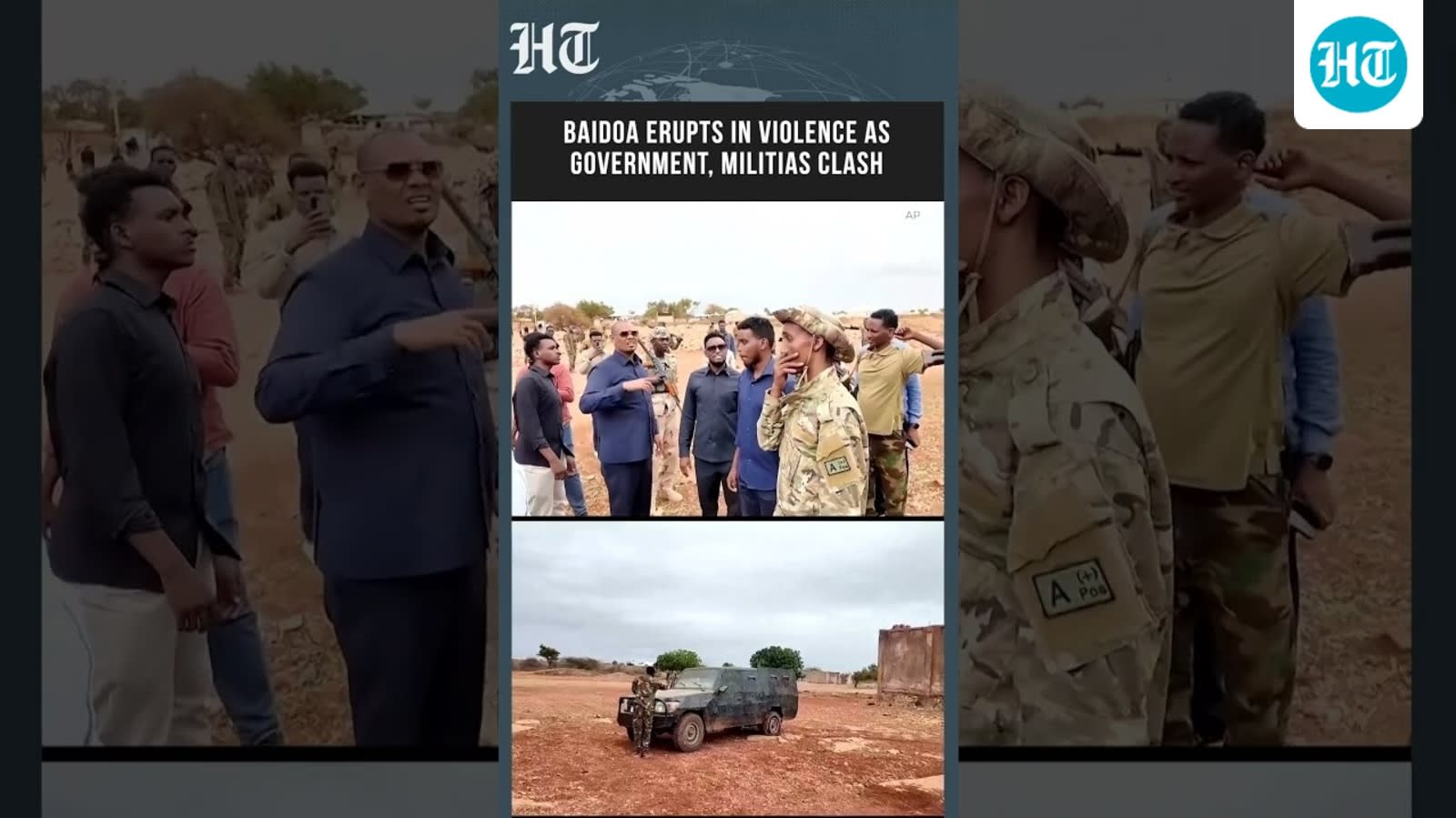
Violent clashes between Somali government forces and local militias in Baidoa have resulted in significant casualties, including civilian deaths. The region remains under heavy security following the intense conflict.
Escalating Conflict in Baidoa: A Crisis of Governance
The recent outbreak of violence in Baidoa, a critical southwestern hub in Somalia, marks a dangerous escalation in the country's ongoing struggle for internal stability. The clash between government forces and local militias has left dozens of combatants dead and claimed the lives of at least four civilians, highlighting the volatile security environment that persists despite efforts to centralize state authority. The sheer scale of the casualties, with 98 individuals reported wounded by hospital officials, underscores the intensity of the urban warfare that gripped the city.
The Human Cost of Factionalism
The involvement of civilians in these skirmishes is a deeply concerning development. When government troops and militias engage in direct combat within densely populated areas like Baidoa, the collateral damage is often catastrophic. The fact that non-combatants were among the fatalities indicates that the rules of engagement were either ignored or overwhelmed by the intensity of the fighting, a recurring issue in Somalia’s fractured security landscape where local power dynamics often supersede national mandates.
Security and Structural Instability
While calm has technically returned to Baidoa under the imposition of heavy security, this stability is likely fragile. The reliance on military force to restore order in the aftermath of such clashes suggests a reactive rather than a proactive approach to governance. In regions where central authority is contested by various militias, the absence of a unified security apparatus often creates power vacuums that are quickly filled by competing armed groups, setting the stage for recurring cycles of violence.
Broader Implications for Regional Stability
Baidoa serves as a strategic center for the southwestern region, and its stability is essential for the broader functioning of Somali state institutions. When conflict disrupts life in such a vital city, it hampers the delivery of essential services and complicates humanitarian efforts. The presence of significant militia activity against government forces suggests that the Somali state continues to face profound challenges in consolidating its control and achieving a monopoly on the use of force.
Future Outlook and Conclusion
The immediate aftermath of the Baidoa clashes will likely involve intensive security lockdowns and potential political negotiations to address the grievances of the involved factions. Moving forward, the Somali government must address the root causes of these militia formations, which often arise from local political, clan, or economic disputes. Without a comprehensive framework for security sector reform and local reconciliation, the threat of renewed violence in Baidoa and similarly positioned cities remains high, threatening the fragile progress made toward national stability.
Verification Required?