Kerala CPI charters entire train to take party workers to Delhi protest against Union govt.
Source Entity
India Latest News: Top National Headlines Today & Breaking News | The Hindu
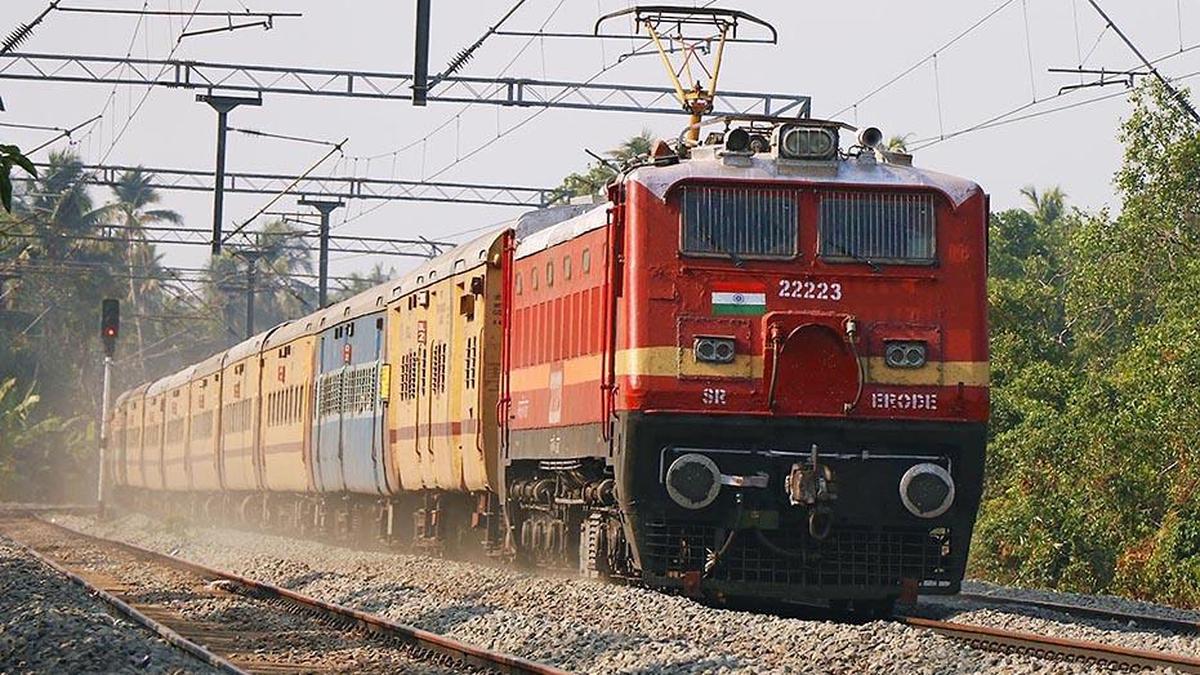
The Communist Party of India (CPI) in Kerala is chartering a special train to transport party workers to New Delhi for a national protest against Union government policies, utilizing the slogan 'Delhi Chalo, Badlaav Zaroori Hai.'
Mobilizing the Masses: Kerala CPI's Strategic March to the Capital
In a significant display of organizational strength and political dissent, the Communist Party of India (CPI) in Kerala has announced the chartering of an entire train to transport party cadres to New Delhi. This move is part of a larger national mobilization effort centered around the slogan 'Delhi Chalo, Badlaav Zaroori Hai' (March to Delhi, Change is Necessary). The initiative aims to bring together party workers from various parts of the country to stage a massive protest against the policies of the Union government, signaling a coordinated effort to challenge the current administrative trajectory from the heart of the nation's power.
The Logistics of Political Mobilization
The decision to charter a dedicated train is not merely a logistical convenience but a strategic political statement. In the context of Indian politics, mass migrations to the capital—often referred to as 'Delhi Chalo' movements—serve as a potent symbol of grassroots unrest and collective determination. By organizing a chartered train, the CPI ensures a disciplined and concentrated arrival of protesters, maximizing the visual and political impact of their presence in the capital. This method of mobilization allows the party to maintain control over its cadres while demonstrating its ability to organize large-scale movements across state borders, specifically bridging the geographical gap between Kerala and New Delhi.
Analyzing the Slogan: 'Badlaav Zaroori Hai'
The choice of the slogan 'Badlaav Zaroori Hai' suggests a broad-spectrum critique of the Union government's current policies. While the specific grievances may span various sectors, the call for 'change' typically points toward dissatisfaction with economic strategies, labor laws, or federal relations. For the CPI, this slogan acts as an umbrella, allowing them to unite diverse groups of workers and cadres under a single, urgent demand for systemic shift. By framing the protest as a necessity for 'change,' the party is positioning itself not just as an opposition force, but as a catalyst for a fundamental redirection of national policy.
Federalism and the Kerala-Delhi Tension
This protest occurs against a backdrop of ongoing tensions between the Left-led political climate in Kerala and the Union government. The relationship between state governments and the central authority in India is often fraught with disputes over funding, autonomy, and the implementation of centrally sponsored schemes. By transporting workers from Kerala to Delhi, the CPI is effectively exporting a regional political struggle to the national stage. This highlights the friction inherent in Indian federalism, where state-level parties use national protests to pressure the Union government into addressing regional grievances or altering national mandates that they perceive as detrimental to their constituents.
Historical Context of Mass Marches
Historically, the 'Delhi Chalo' format has been utilized by various movements in India to achieve tangible policy changes, most notably seen in recent large-scale agrarian protests. The CPI is tapping into this historical precedent of 'street power' to complement their parliamentary presence. The tradition of the Left in India has always leaned heavily on mass mobilization and trade union strikes; thus, this train journey is a modern iteration of the classic communist strategy of mobilizing the proletariat and party workers to create a physical manifestation of dissent that cannot be ignored by the central administration.
Future Trends and Political Implications
Looking forward, the success of this protest will likely be measured by the level of participation from other states and the subsequent response from the Union government. If the CPI manages to synchronize this Kerala-led initiative with similar movements in other regions, it could lead to a broader coalition of opposition forces. Furthermore, such movements often serve as a litmus test for party discipline and morale ahead of electoral cycles. We can expect an increase in similar 'symbolic migrations' as political parties seek more visible ways to register dissent in an era of digital communication, proving that physical presence in the capital remains the gold standard for political pressure in India.
Conclusion
The Kerala CPI's initiative to charter a train for the 'Delhi Chalo' protest is a calculated move to amplify their voice against the Union government. By combining logistical precision with a powerful slogan and historical protest tactics, the party aims to transform a regional mobilization into a national conversation about policy change. This event underscores the enduring relevance of mass physical protest in the Indian political landscape as a primary tool for challenging central authority.
Verification Required?