'Those under pressure, go wherever you want': Mamata as TMC exodus continues
Source Entity
TOI NEWS DESK
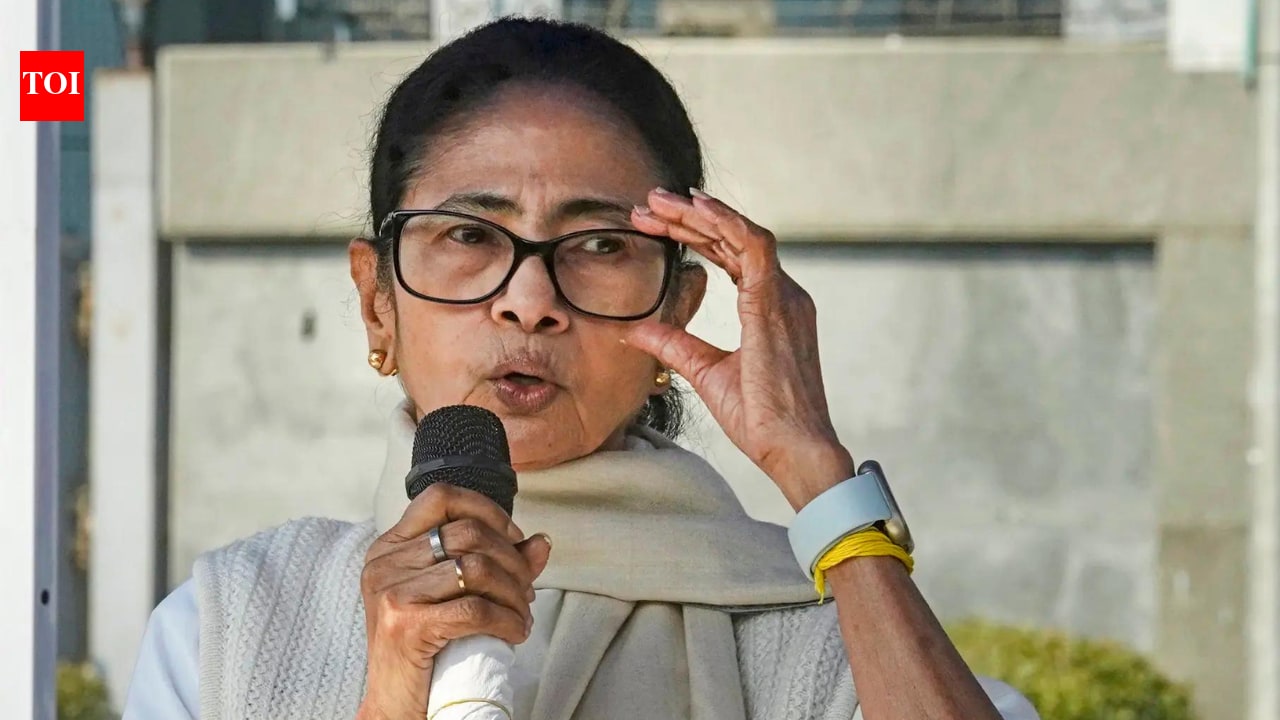
Mamata Banerjee has responded to a series of high-profile resignations within the Trinamool Congress (TMC) following an assembly poll defeat, stating that leaders feeling pressured are free to leave the party. The exodus includes Rajya Sabha MP Koel Mallick and Madan Mitra, the latter of whom joined a rebel faction.
Internal Turmoil: The Trinamool Congress in Crisis
The Trinamool Congress (TMC), once a monolith of political power in West Bengal, is currently grappling with a significant internal crisis following a disappointing assembly poll performance. The reaction of Chief Minister Mamata Banerjee to this instability has been one of defiance rather than conciliation. By stating, "Those under pressure, go wherever you want," Banerjee has signaled a willingness to purge the party of dissatisfied elements rather than negotiate to maintain a fragile unity. This stance reflects a high-stakes gamble: the belief that a leaner, more loyal party core is preferable to a bloated organization plagued by internal dissent.
The Anatomy of the Exodus
The departure of high-profile figures such as Rajya Sabha MP Koel Mallick and seasoned leader Madan Mitra underscores the depth of the current rift. The resignation of a Rajya Sabha member is particularly damaging as it represents a loss of influence at the national legislative level. Furthermore, Madan Mitra's move to join a "rebel TMC faction" suggests that the dissatisfaction is not merely individual but structural. The formation of a rebel wing indicates a strategic split where disgruntled leaders are not simply exiting the political arena but are attempting to create a parallel power center, potentially challenging the central leadership's hegemony over the party's grassroots network.
The Dynastic Tension and Abhishek Banerjee
Central to this internal friction is the role of Abhishek Banerjee. The analysis of the current exodus cannot ignore the tension surrounding the elevation of the Chief Minister's nephew. Mamata Banerjee's explicit defense of Abhishek amid these internal issues suggests that the "pressure" mentioned in her statement may be linked to the perceived centralization of power within the family. In many regional parties, the transition toward a dynastic leadership model often clashes with the ambitions of veteran leaders who believe their seniority and contributions should grant them more influence. This power struggle is likely a primary driver of the current resignations.
Historical Context of Post-Poll Fragmentation
Historically, regional parties in India often experience a period of "reckoning" following an electoral setback. When a dominant party loses its grip or fails to meet expectations, the internal hierarchy often collapses as members begin to distance themselves from the losing leadership to preserve their own political viability. The current TMC situation follows this pattern. The assembly poll defeat acted as a catalyst, transforming simmering resentments into open rebellion. By inviting those under pressure to leave, Mamata Banerjee is attempting to accelerate this process, effectively clearing the decks for a restructuring of the party's internal command.
Broader Political Implications for West Bengal
The fragmentation of the TMC could fundamentally alter the political landscape of West Bengal. A weakened TMC, divided by rebel factions, provides a strategic opening for opposition parties to make inroads into traditional TMC strongholds. If the rebel faction gains traction, it could lead to a multi-polar contest in future elections, breaking the binary struggle that has characterized the state's politics for years. The ability of the TMC to survive this exodus depends on whether the remaining cadre views the purge as a necessary cleanup or as a sign of an authoritarian shift that alienates the party's base.
Conclusion: A Path Toward Consolidation or Collapse
In summary, the current exodus from the Trinamool Congress is more than a series of resignations; it is a symptom of a deeper ideological and structural conflict within the party. Mamata Banerjee's "go wherever you want" approach is a double-edged sword. While it may successfully eliminate dissent and consolidate her absolute control, it risks stripping the party of experienced strategists and diversifying the opposition. The coming months will determine if the TMC can successfully pivot from this defeat and reorganize, or if the current bleed of talent and loyalty marks the beginning of a long-term decline in its regional dominance.