Kerala drops SilverLine; 873 km of railway projects to boost North-South connectivity
Source Entity
Anish Mondal
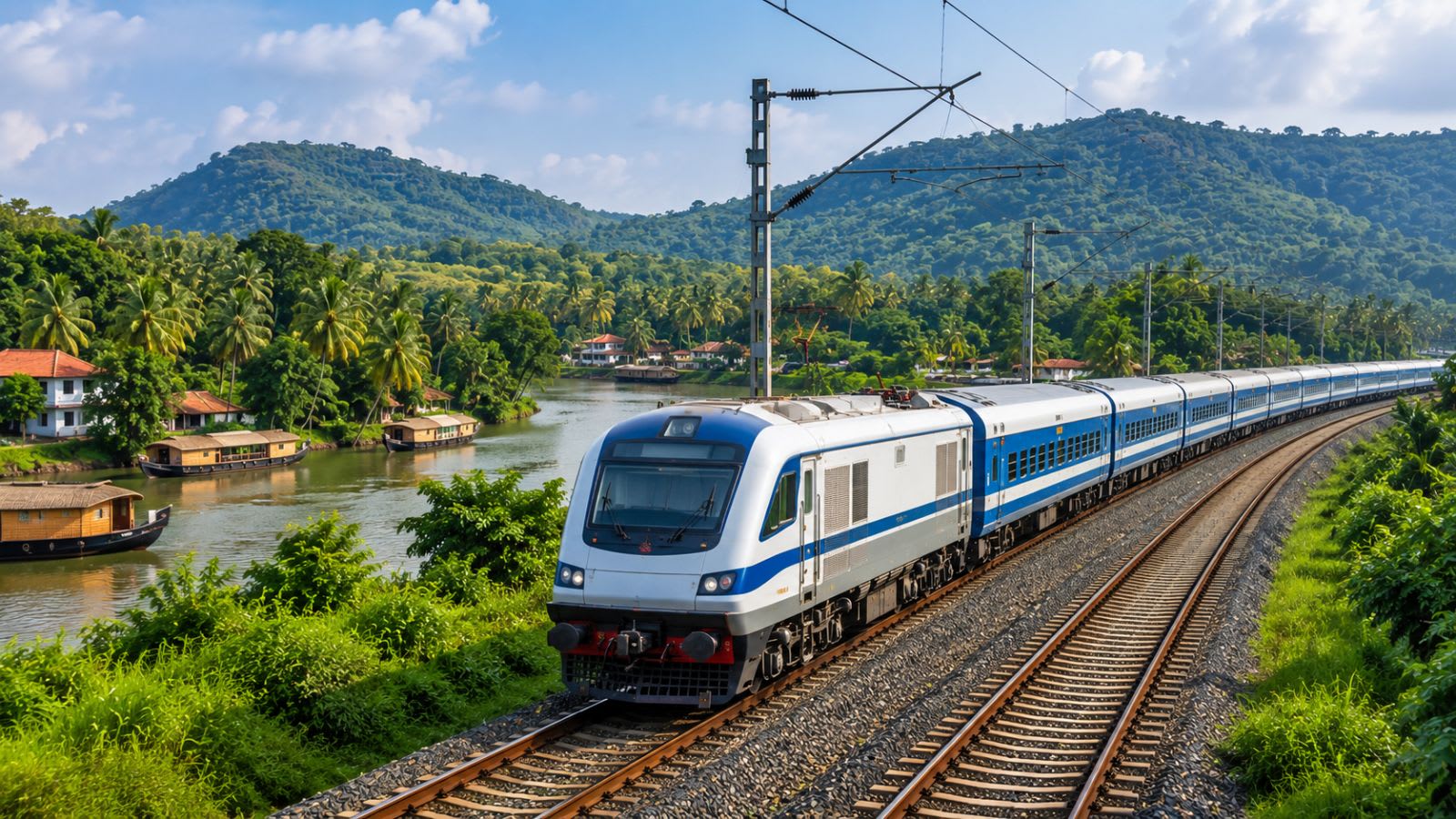
The Kerala government has officially abandoned the contentious SilverLine rail project. Instead, authorities are shifting focus toward a new standard-gauge high-speed rail corridor proposal currently under expert review.
The Sunset of SilverLine: Kerala Reevaluates Rail Connectivity
The ambitious SilverLine project, envisioned as a semi-high-speed rail corridor connecting Thiruvananthapuram to Kasaragod, has officially been abandoned by the Kerala government. Union Railway Minister Ashwini Vaishnaw confirmed this shift in a formal reply to the Rajya Sabha, marking the end of a project that faced significant scrutiny regarding its financial viability, environmental impact, and social displacement concerns.
Transition to New Infrastructure Paradigms
Following the cessation of the SilverLine project, the focus has shifted toward alternative high-speed connectivity models. The Kerala government engaged the expertise of Dr. E. Sreedharan, the veteran technocrat and former Managing Director of the Delhi Metro Rail Corporation (DMRC). Dr. Sreedharan submitted an interim report advocating for a standard-gauge high-speed rail corridor linking Thiruvananthapuram to Kannur, representing a strategic pivot in the state’s long-term transport planning.
Expert Review and Project Viability
Despite the initial promise of the new high-speed proposal, the expert committee constituted by the Kerala government has expressed reservations. According to the statements provided by the Union Minister, the committee reviewed the interim report and concluded that the proposal, in its current form, is not feasible to proceed. This indicates a rigorous vetting process, where the state is prioritizing technical and economic scrutiny over rapid implementation.
Broader Implications for North-South Connectivity
This shift in strategy highlights a larger commitment to improving connectivity across the state’s 873-kilometer rail network. By moving away from the specific constraints of the SilverLine project, officials are signaling a preference for models that align better with existing rail infrastructure and safety standards. The rejection of the current high-speed report suggests that the state government is maintaining a cautious approach to large-scale capital projects.
Future Trends in Rail Development
Looking ahead, the development of Kerala's transit infrastructure will likely hinge on reconciling high-speed aspirations with standard-gauge technical requirements. The influence of experts like Dr. Sreedharan remains pivotal in shaping how Kerala will bridge the gap between its northern and southern regions. Future projects will likely require more robust feasibility studies that address both the logistical challenges of the state's unique geography and the financial constraints of large-scale rail infrastructure.
Conclusion
The decision to drop the SilverLine project marks a definitive turning point in Kerala's infrastructure narrative. While the immediate proposal for a high-speed corridor to Kannur faces hurdles, the state's insistence on expert-led review processes suggests a measured pathway toward future modernization. The focus remains on finding a sustainable, efficient, and technically sound solution to enhance the connectivity of the 873 km rail network.