Keralam Health Minister K. Muraleedharan pushes for disease prevention through vaccination
Source Entity
India Latest News: Top National Headlines Today & Breaking News | The Hindu
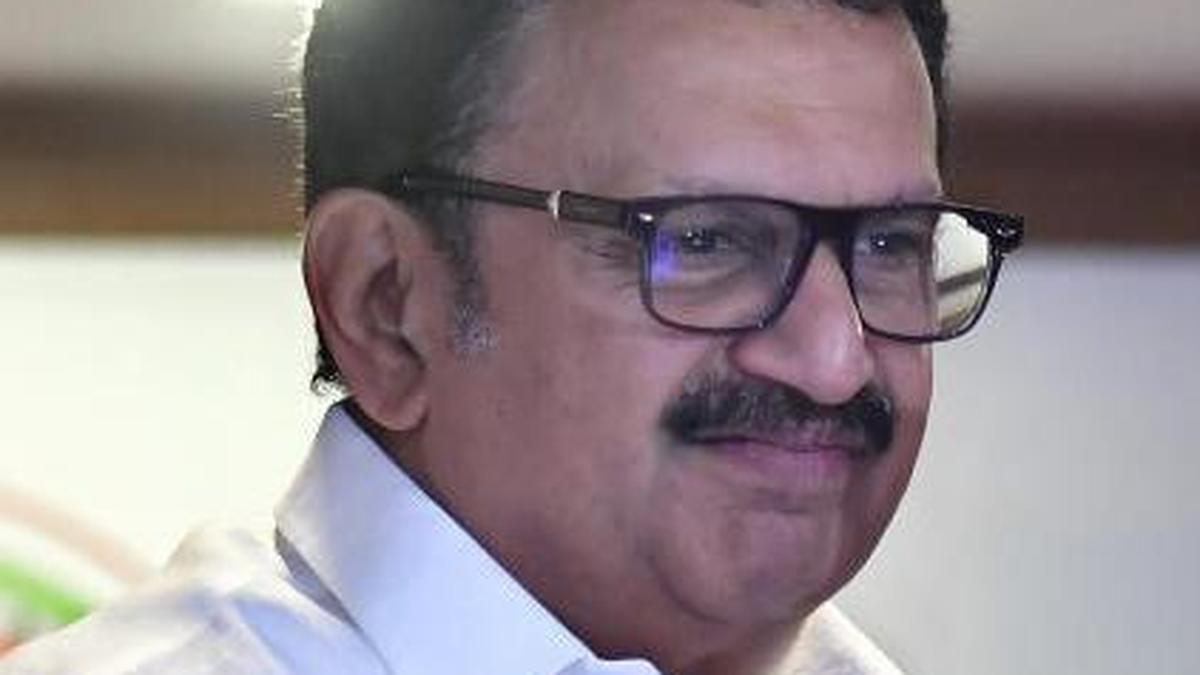
Kerala Health Minister K. Muraleedharan has inaugurated new public health infrastructure in Thrissur to bolster vaccination and disease prevention. The government is simultaneously increasing oversight on private hospitals to prevent unfair pricing and over-prescription.
Strengthening Public Health Infrastructure in Kerala
On October 5, 2026, Kerala’s healthcare landscape reached a significant milestone as Health Minister K. Muraleedharan inaugurated an Integrated Public Health Laboratory and a District Vaccine and Family Welfare Store in Thrissur. This development represents a strategic shift in the state's healthcare policy, moving from a reactive treatment-based model to a proactive, prevention-oriented framework. By centralizing vaccine storage and diagnostic capabilities, the government aims to enhance its surveillance network, ensuring that the state remains resilient against infectious disease outbreaks.
The Shift Toward Preventive Medicine
The Minister’s emphasis on vaccination—specifically citing the HPV and measles programs—highlights the government's commitment to long-term public health security. Vaccination remains the most cost-effective tool in modern medicine for curbing the spread of communicable diseases. By integrating these services at the district level, the Thrissur facility serves as a vital hub for cold-chain management, which is essential for maintaining the efficacy of life-saving immunizations before they are distributed to the wider population.
Regulating the Private Healthcare Sector
Beyond infrastructure, the administration has signaled a firm stance on the regulation of private healthcare providers. Minister Muraleedharan’s warning against arbitrary price hikes and the prescription of unnecessary medications addresses a long-standing concern among citizens regarding out-of-pocket medical expenses. This move aims to standardize medical costs and ensure that the pursuit of profit does not supersede the ethical obligations of healthcare providers to their patients.
Historical Context and Future Implications
Kerala has historically maintained some of the best health indices in India, largely due to its robust public health system. However, the rising cost of private care has created a disparity that the current administration seeks to bridge. By tightening regulatory oversight, the government is asserting its role as a watchdog to protect vulnerable populations. This intervention is expected to set a precedent for how the state interacts with private entities, potentially leading to more transparent billing practices across all districts.
Ensuring Sustainability and Equity
The success of these initiatives relies heavily on the cooperation of the public in adhering to immunization schedules and the willingness of private hospitals to comply with new government directives. If successful, this dual approach—investing in public labs while enforcing ethical standards in the private sector—could serve as a blueprint for other Indian states. The long-term goal is to lower the disease burden on the state, thereby reducing the economic impact of chronic and preventable illnesses on the populace.
Conclusion
In summary, the inauguration of the Thrissur facility and the accompanying policy announcements reflect a comprehensive strategy to fortify Kerala’s health system. By prioritizing preventive care and demanding accountability from private hospitals, the Health Ministry is positioning the state to better handle future epidemiological challenges. This integrated approach ensures that the state’s healthcare infrastructure remains both accessible and equitable for all citizens.
Verification Required?